Science and Innovation in Practice – The 21st AIS Conference Held at Alba Regia Faculty
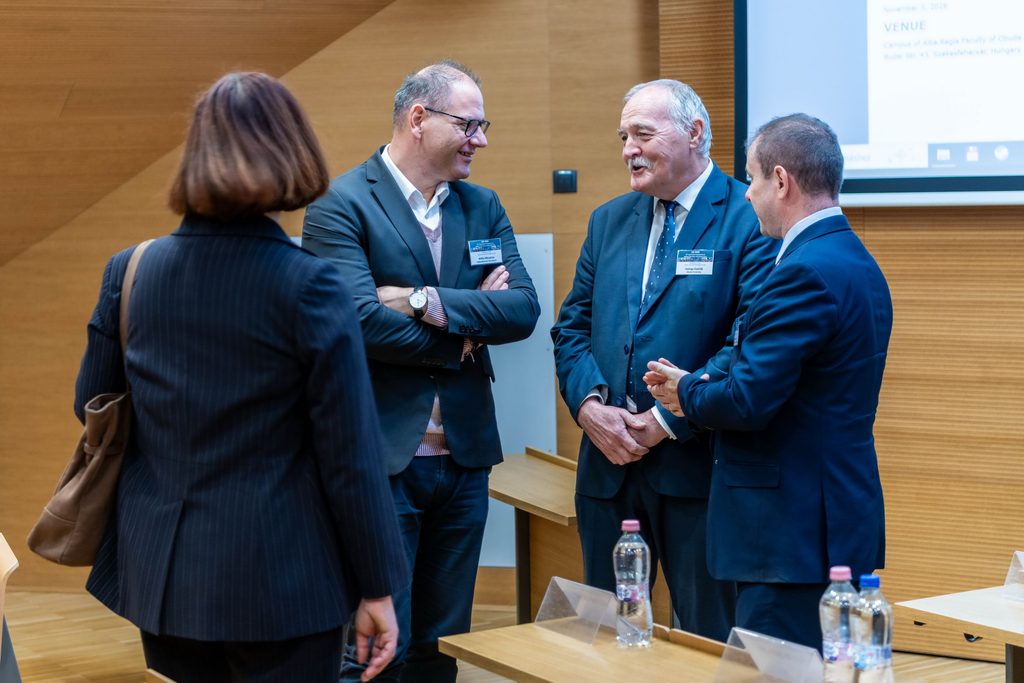
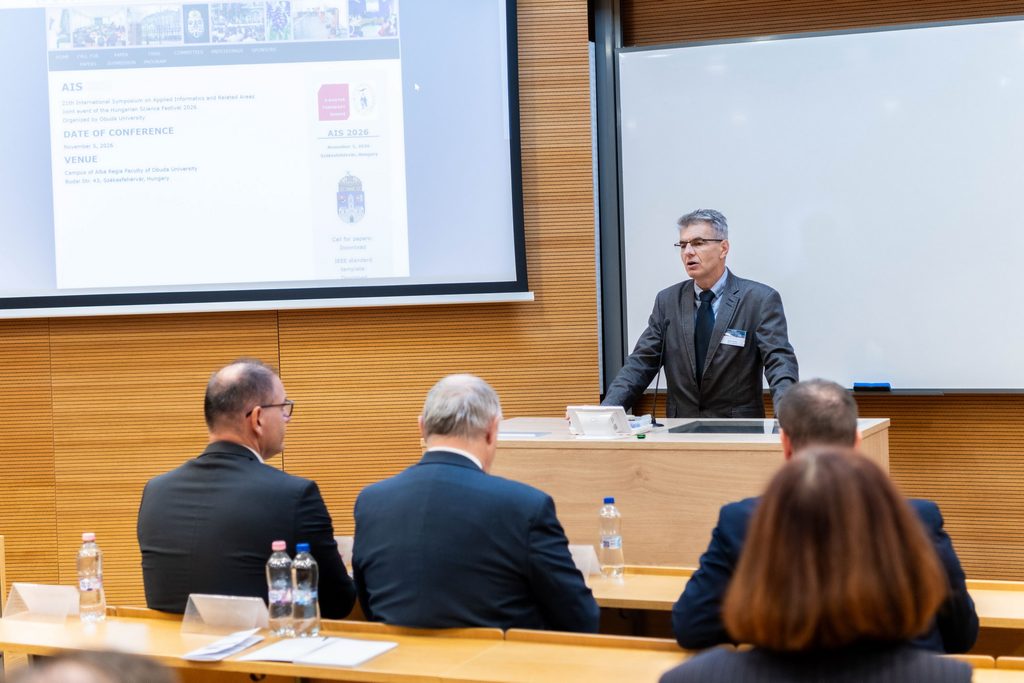
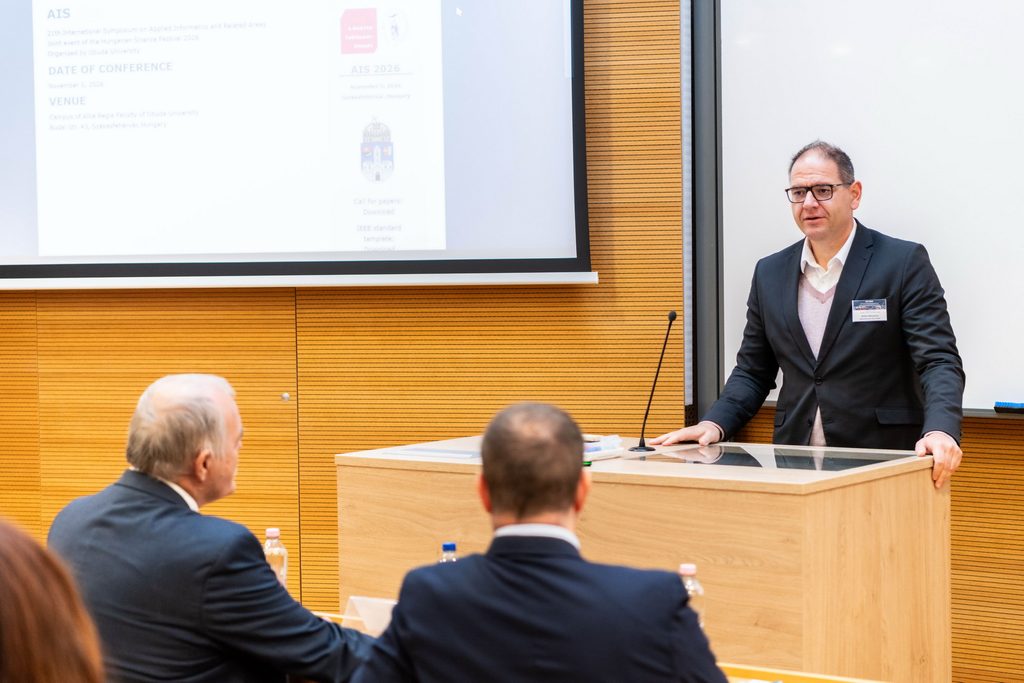
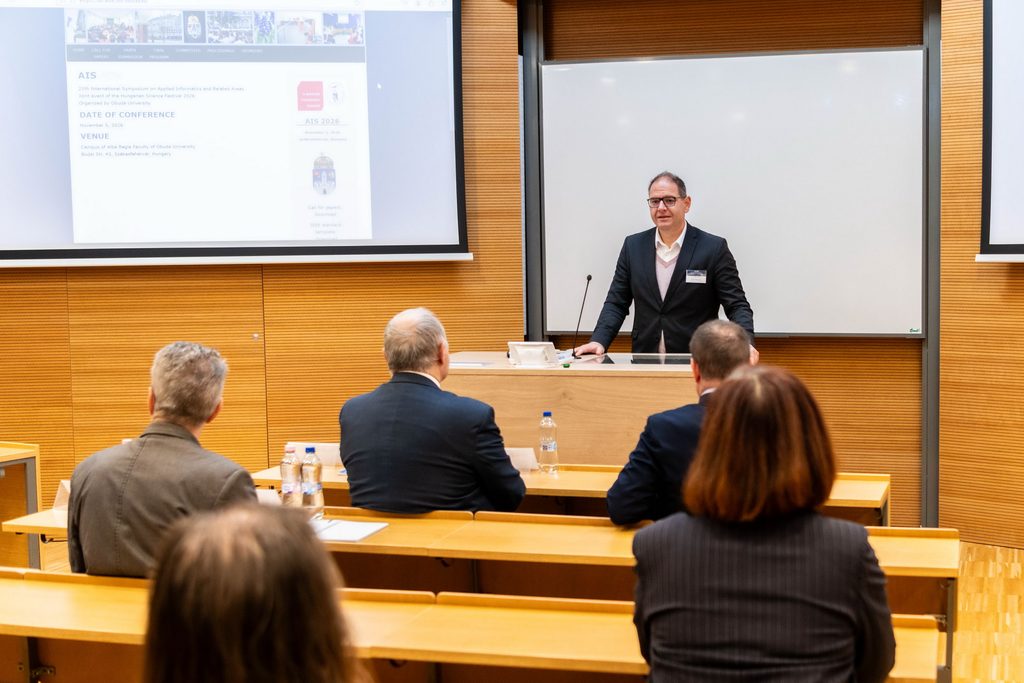
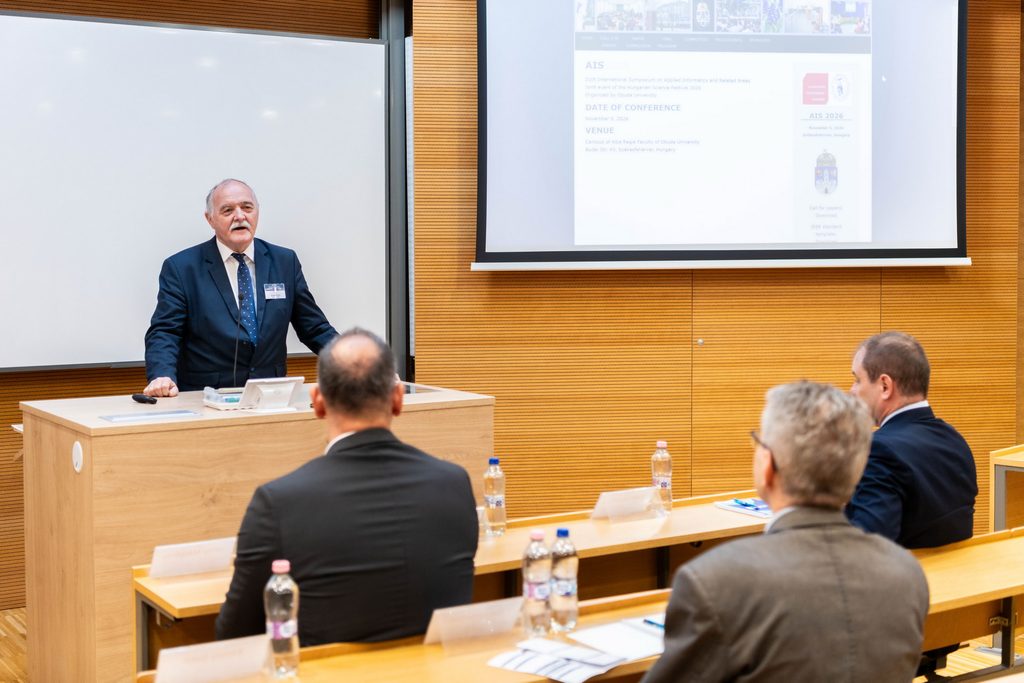
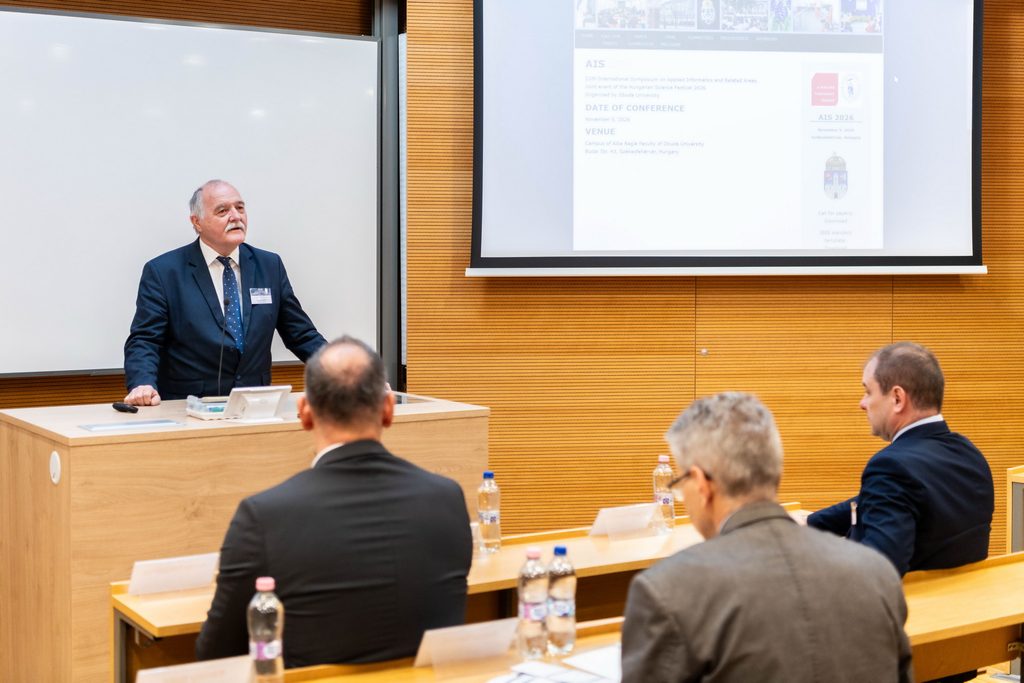
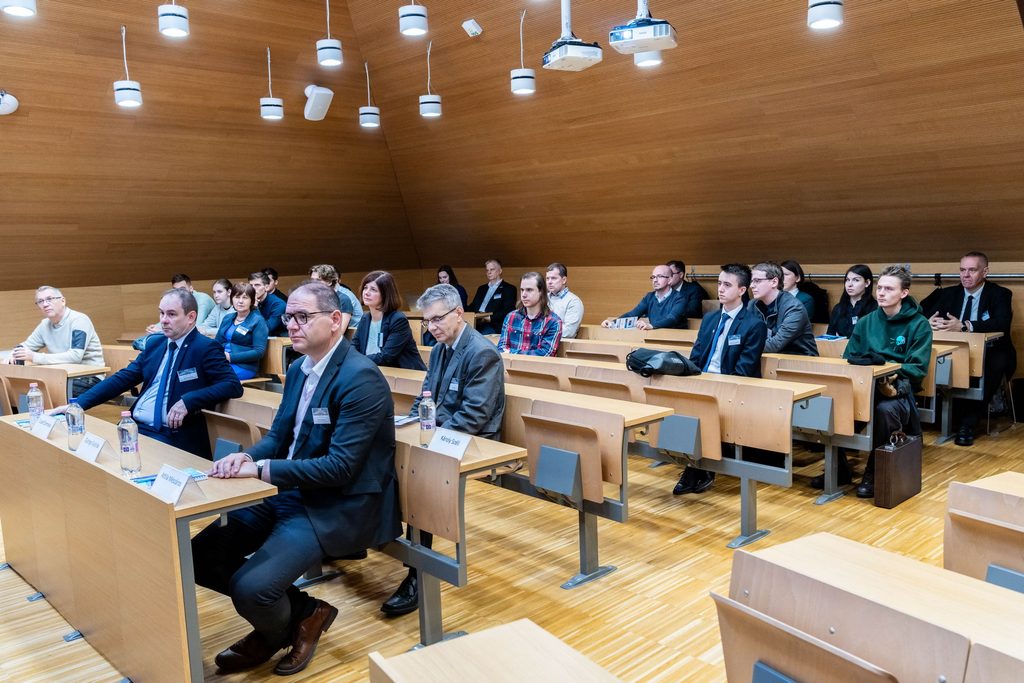
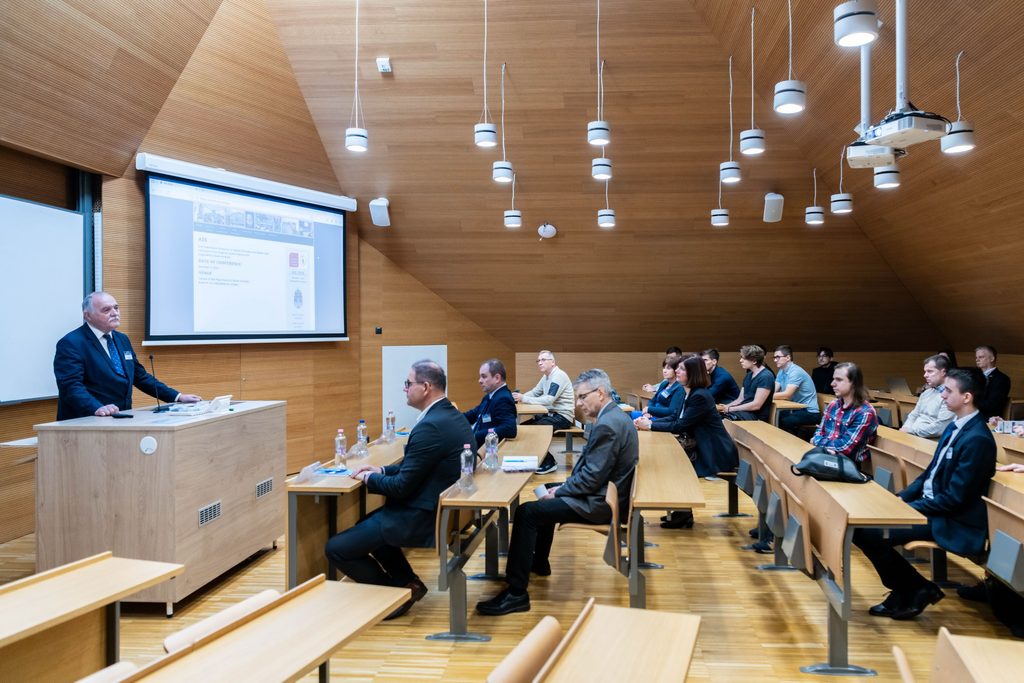
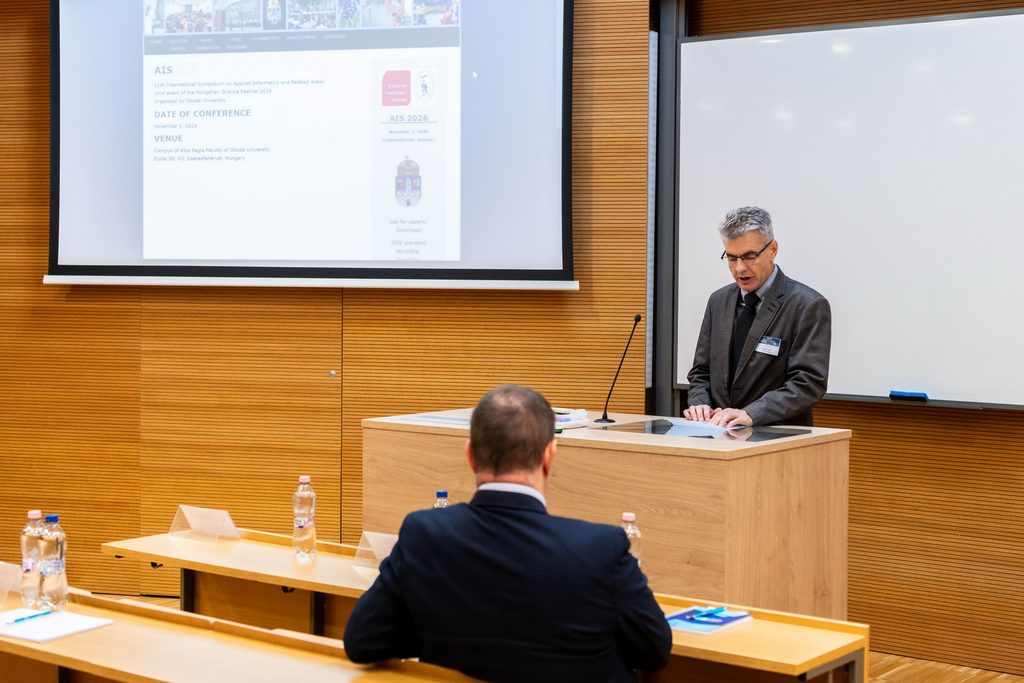
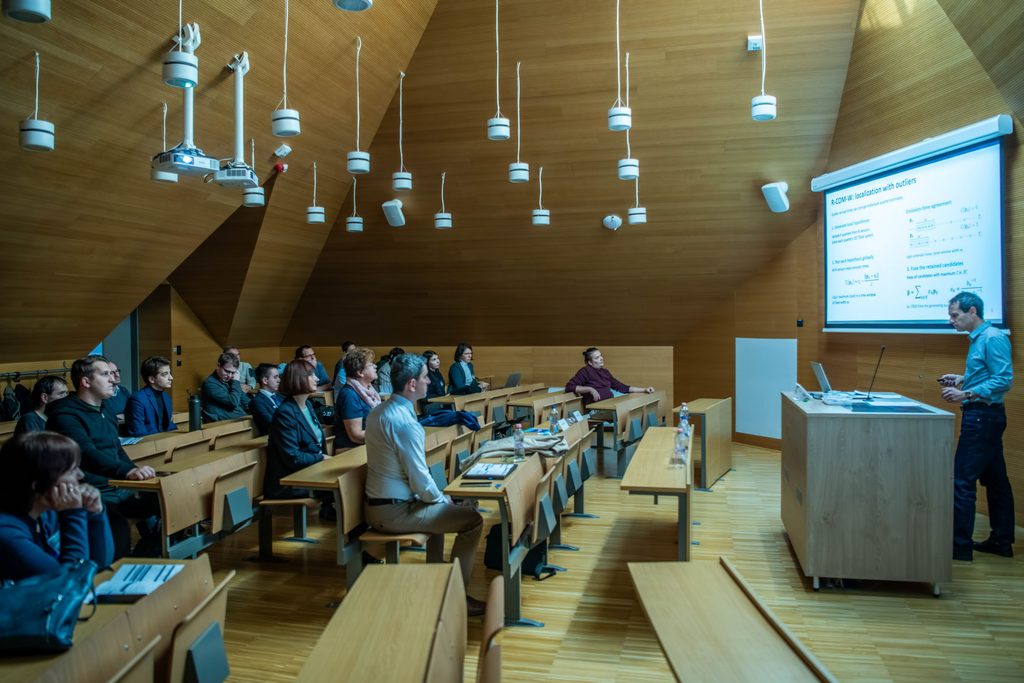
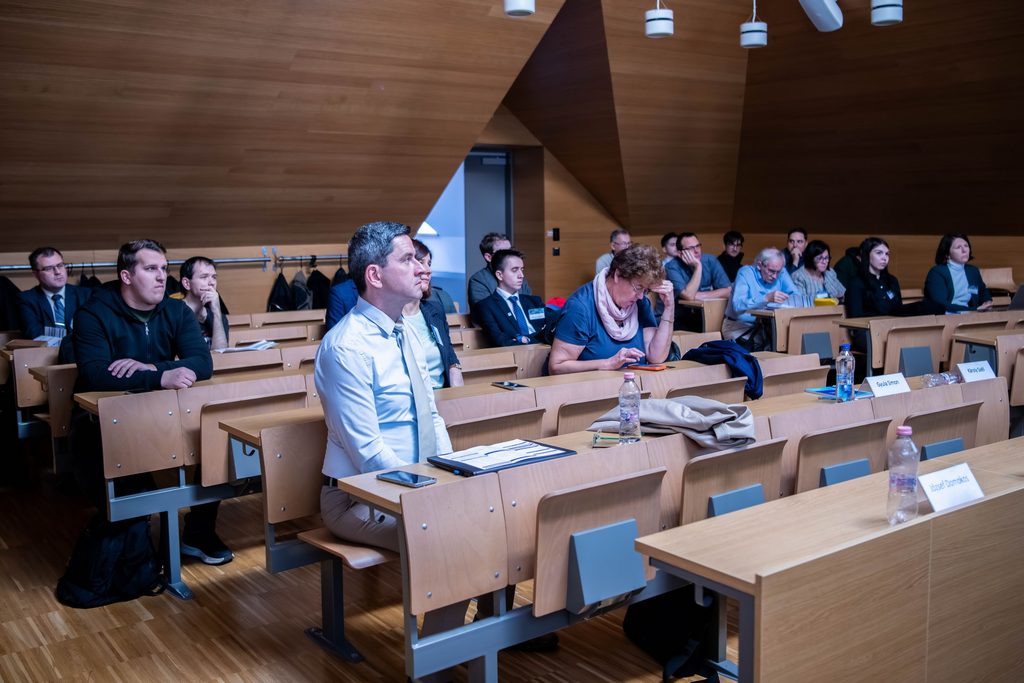
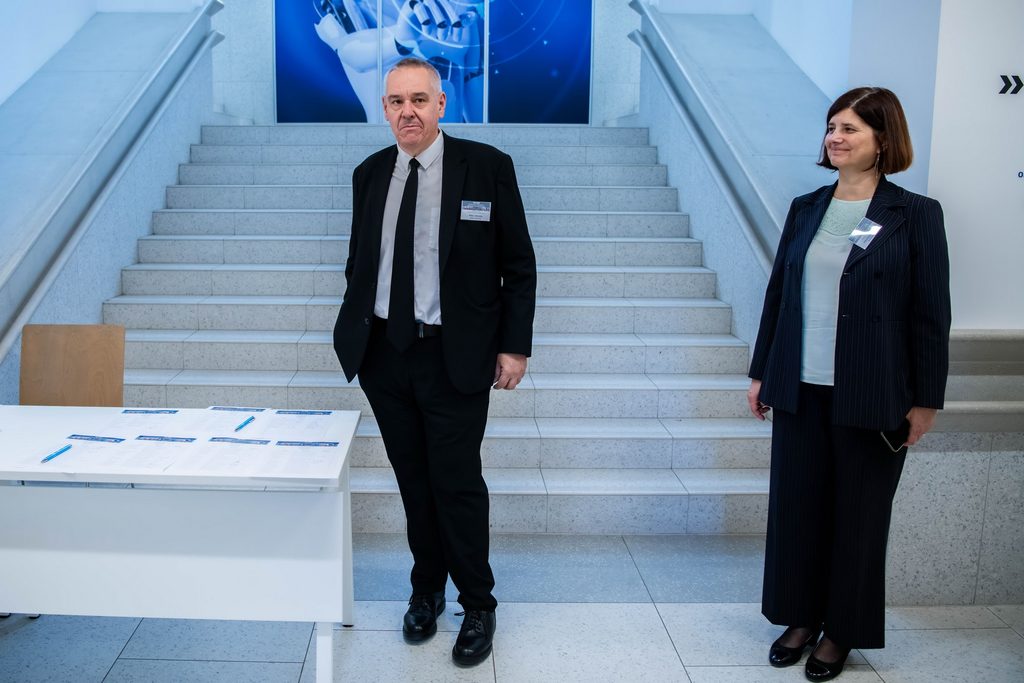
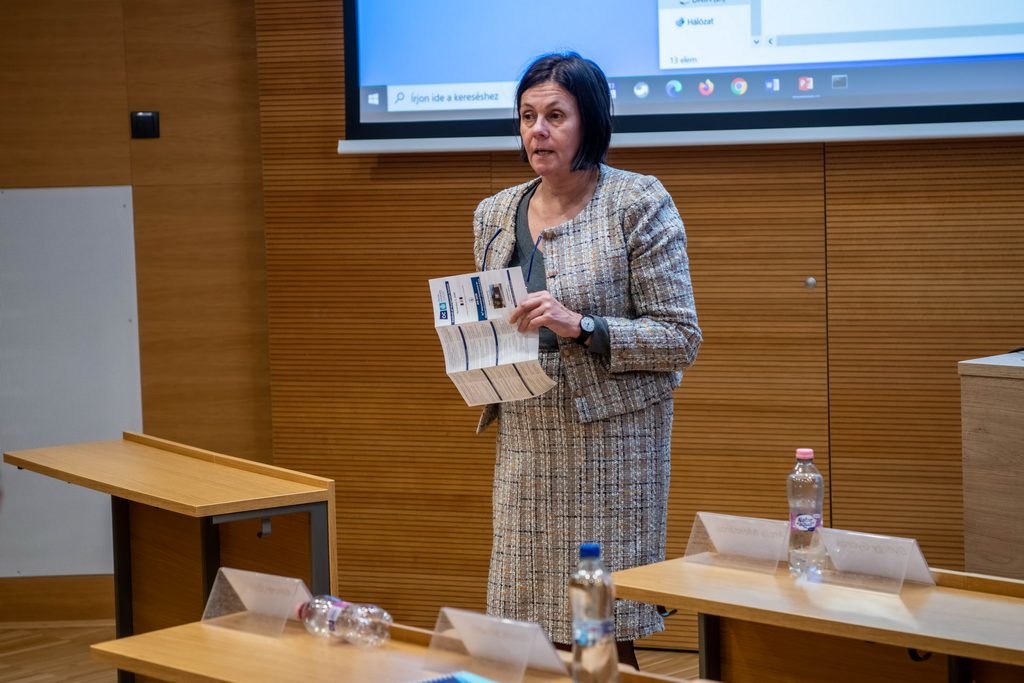
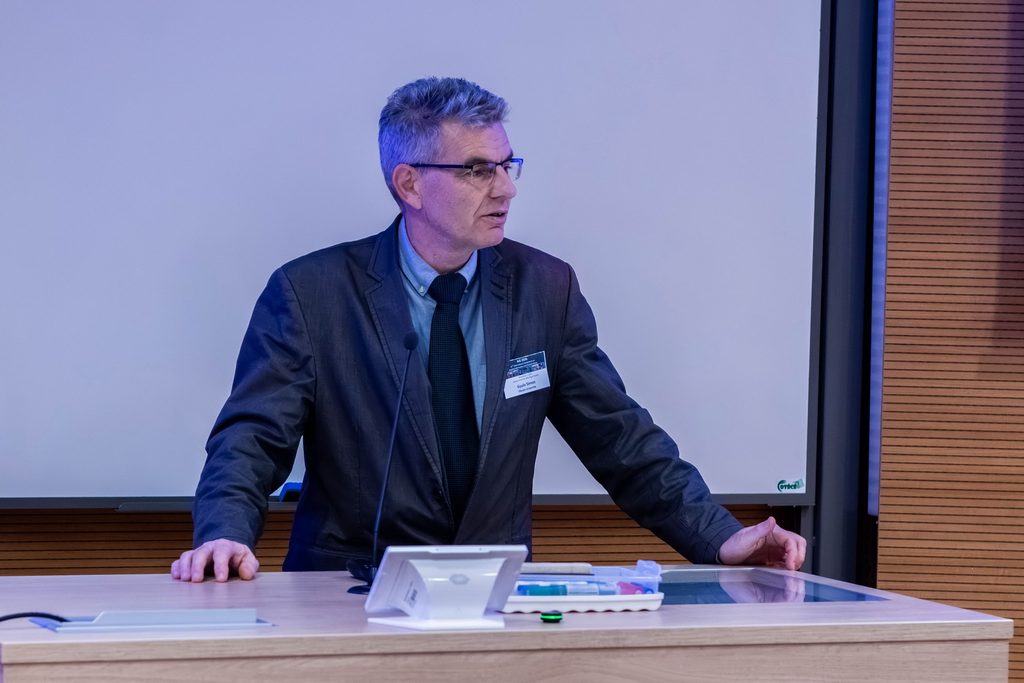
The 21st International Symposium on Applied Informatics and Related Areas (AIS) was held on November 5, 2026, at Óbuda University’s Alba Regia Faculty in Székesfehérvár, as part of the Hungarian Science Festival. The conference was opened by Prof. Dr. Györök Györök, Dean of Alba Regia Faculty, and Attila Mészáros, Deputy Mayor of Székesfehérvár, representing the city.
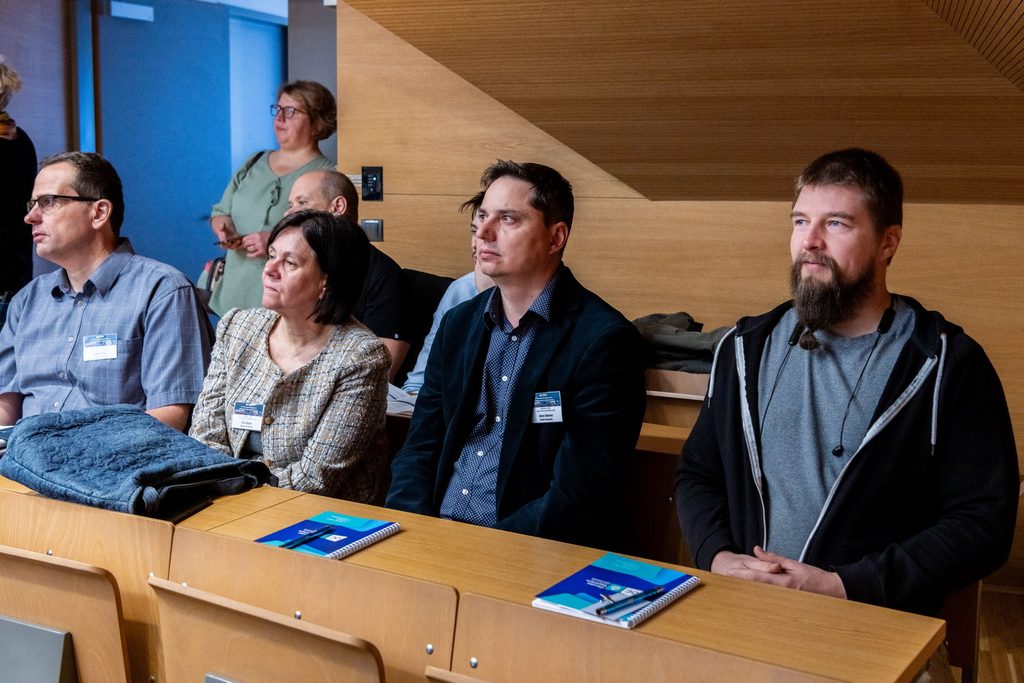
The aim of the event was to provide an opportunity for international and Hungarian researchers, academics, professionals, and university students, including PhD students, to present their latest scientific findings and innovative solutions.
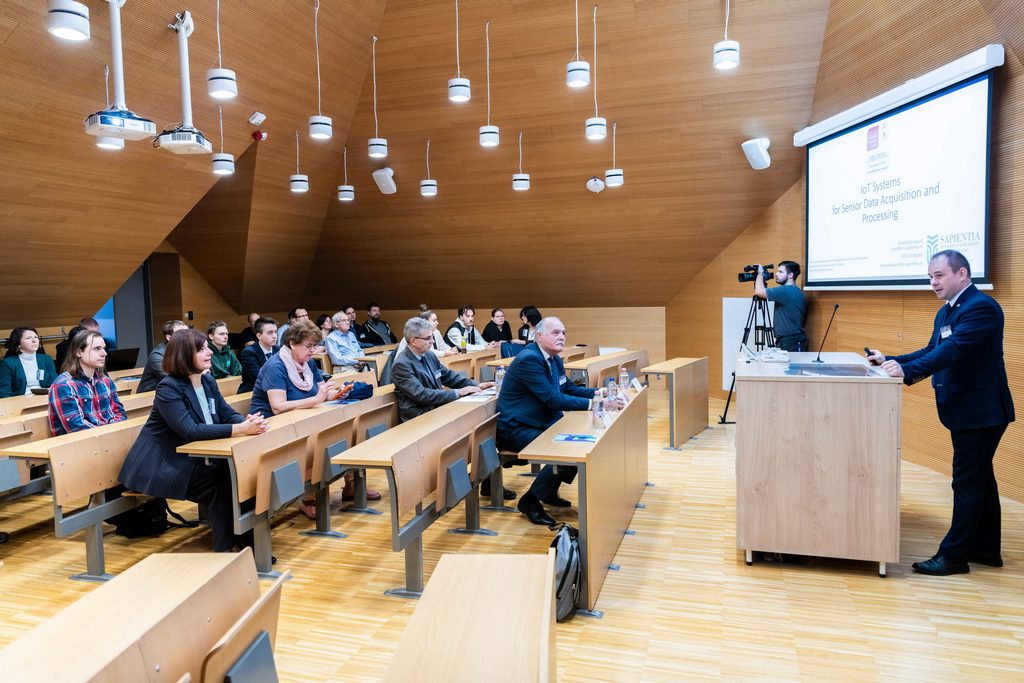
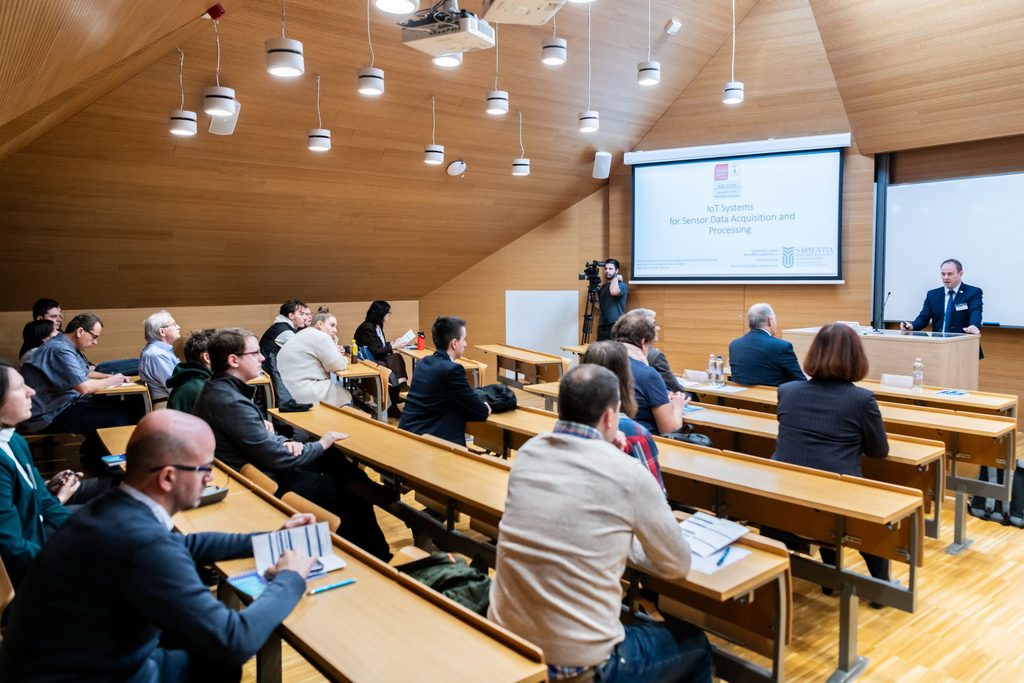
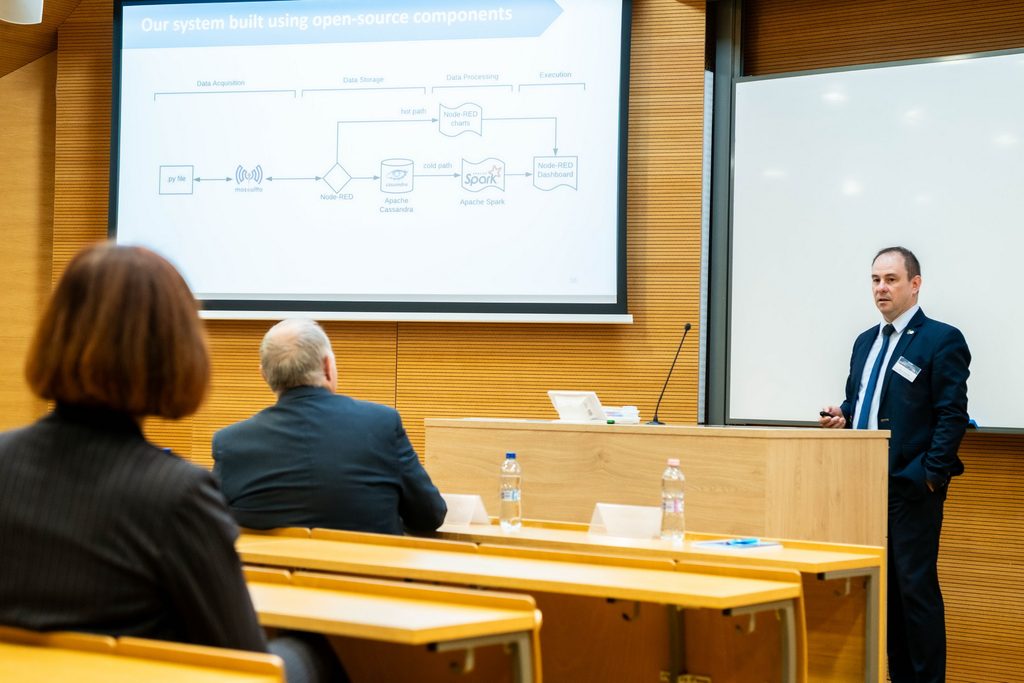
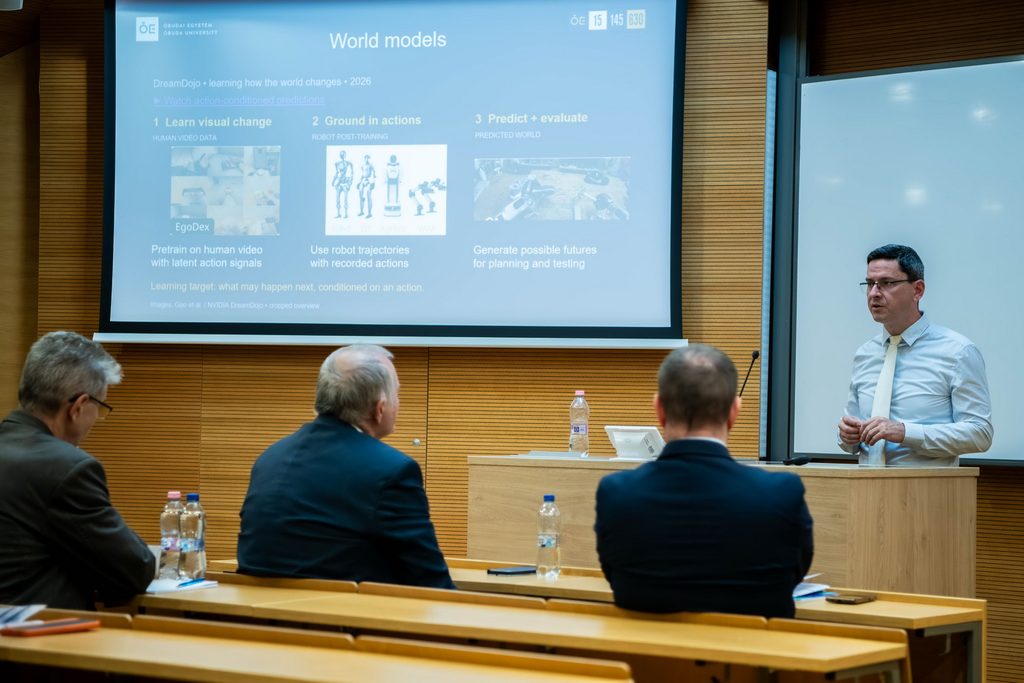
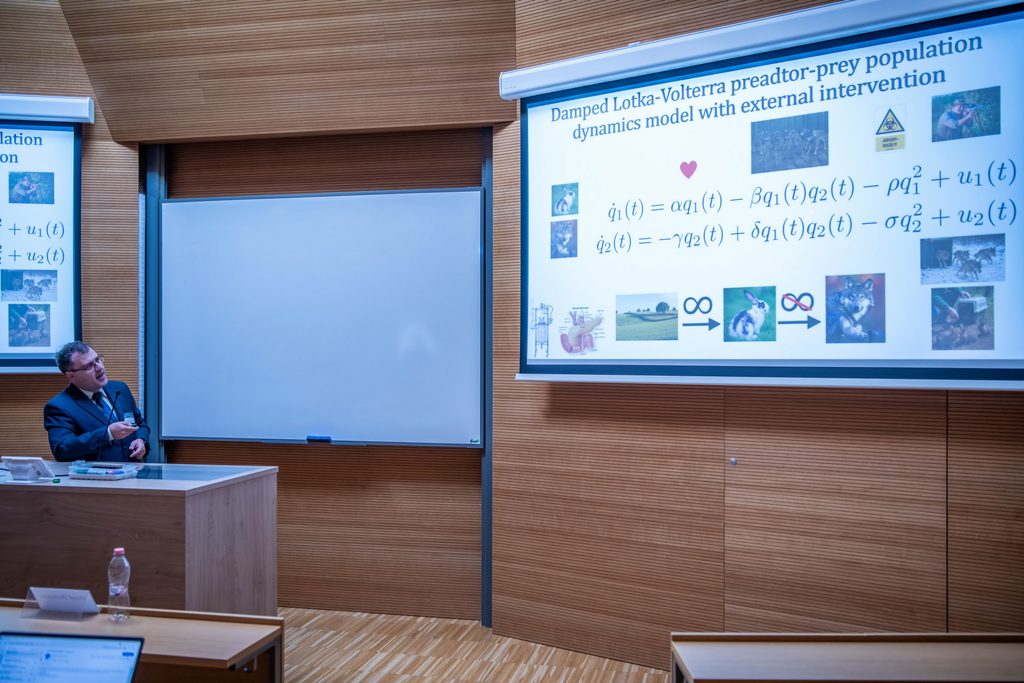
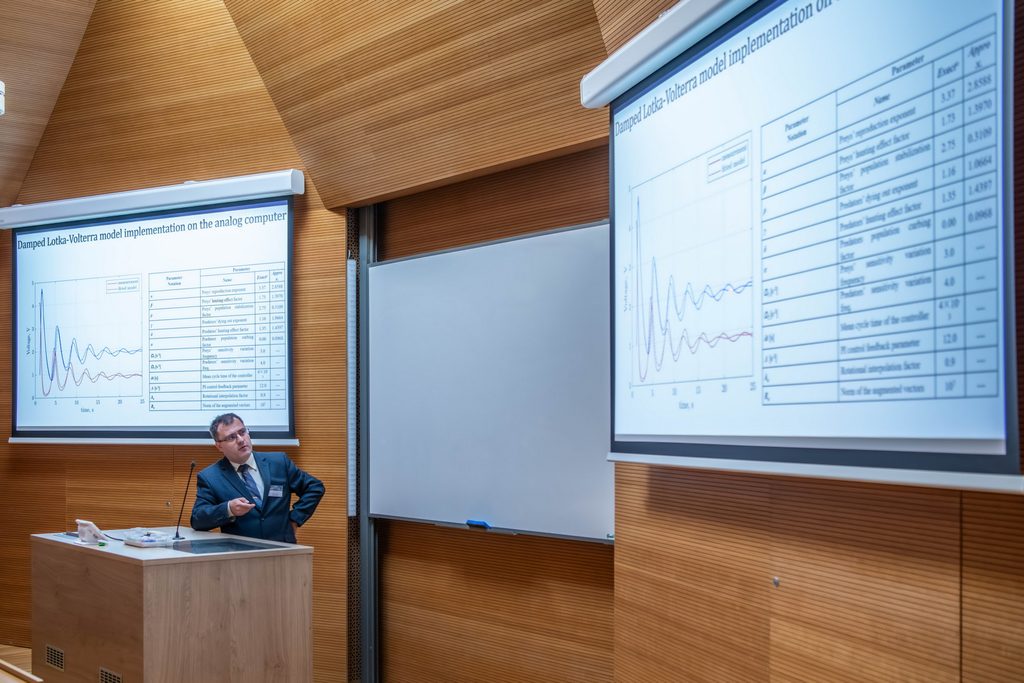
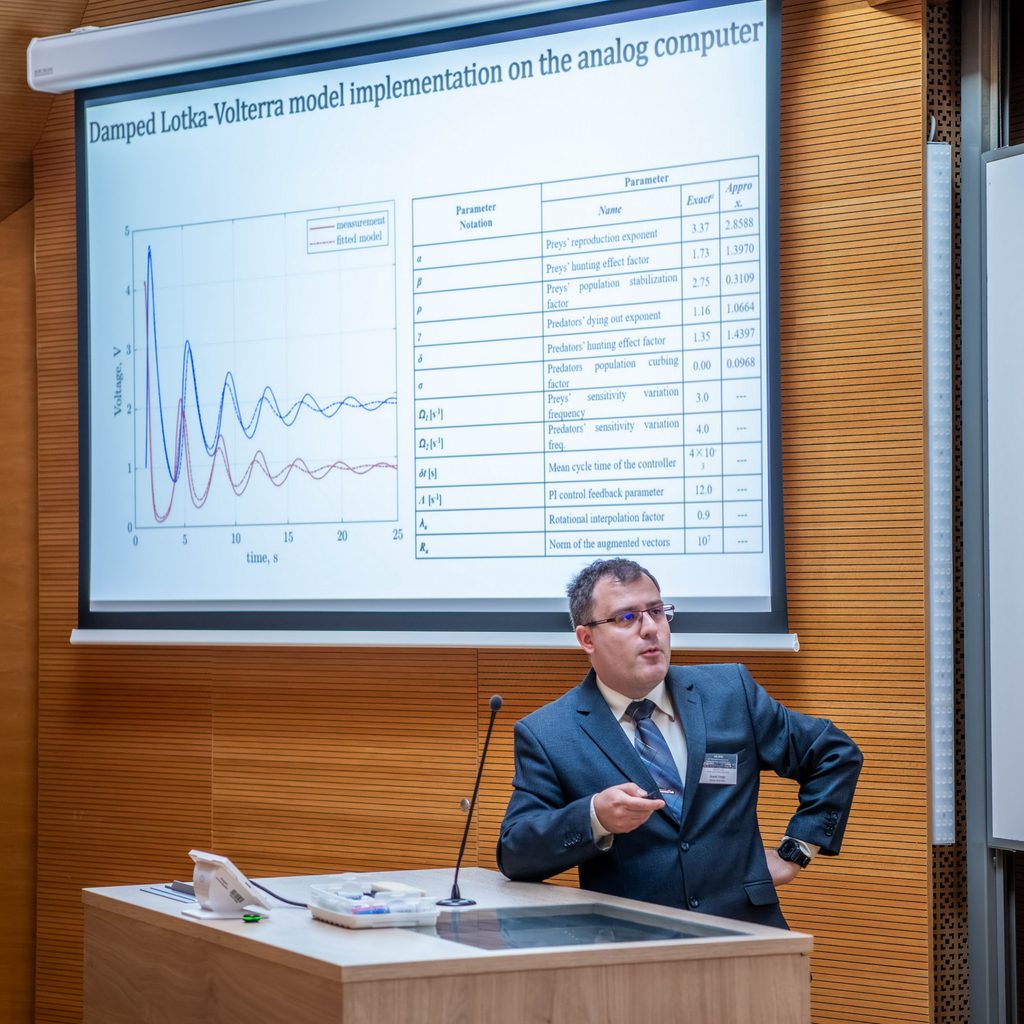
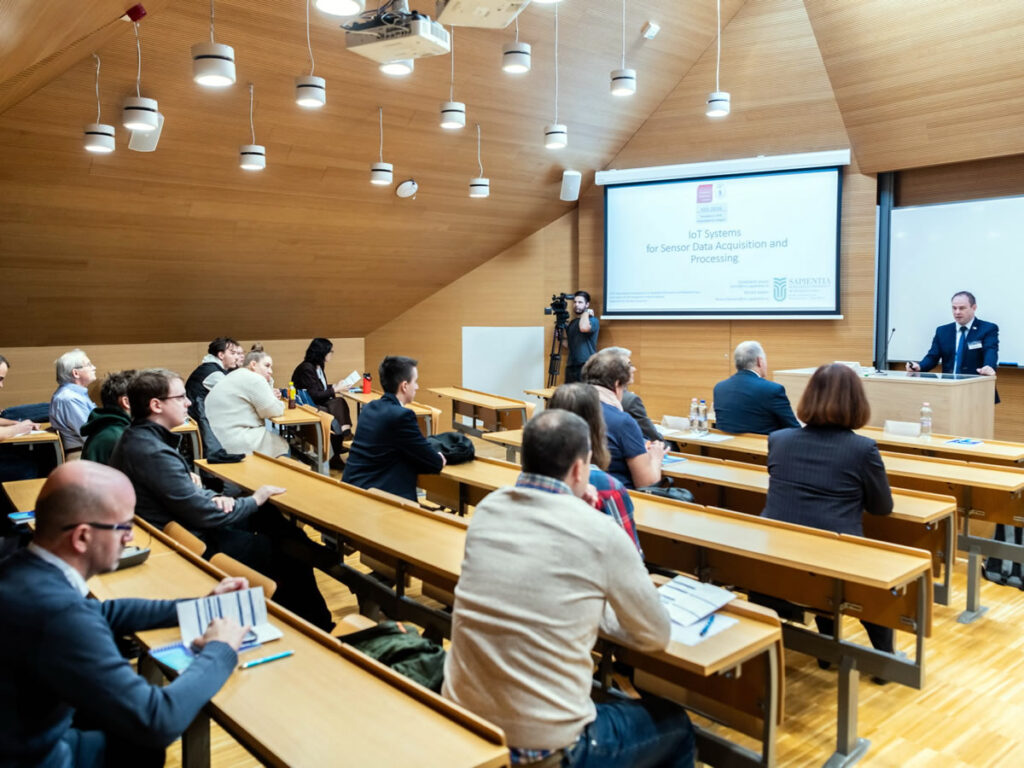
The conference brought together researchers, educators, and industry professionals to jointly explore solutions to real-world engineering and economic challenges. Two keynote presentations were delivered during the morning plenary session. Dr. József Domokos, Dean of the Târgu Mureș Faculty of Sapientia Hungarian University of Transylvania, presented IoT Systems for Sensor Data Acquisition and Processing, highlighting the role of IoT systems in collecting and processing sensor data. Dr. habil. Károly Széll, Associate Professor at Óbuda University’s Alba Regia Faculty, explored the fields of humanoid robotics and embodied artificial intelligence in his presentation, Humanoid Robotics and Embodied AI. Both talks highlighted different yet interconnected areas of technological advancement, focusing on the opportunities offered by intelligent data acquisition and processing, as well as emerging applications in robotics and artificial intelligence.
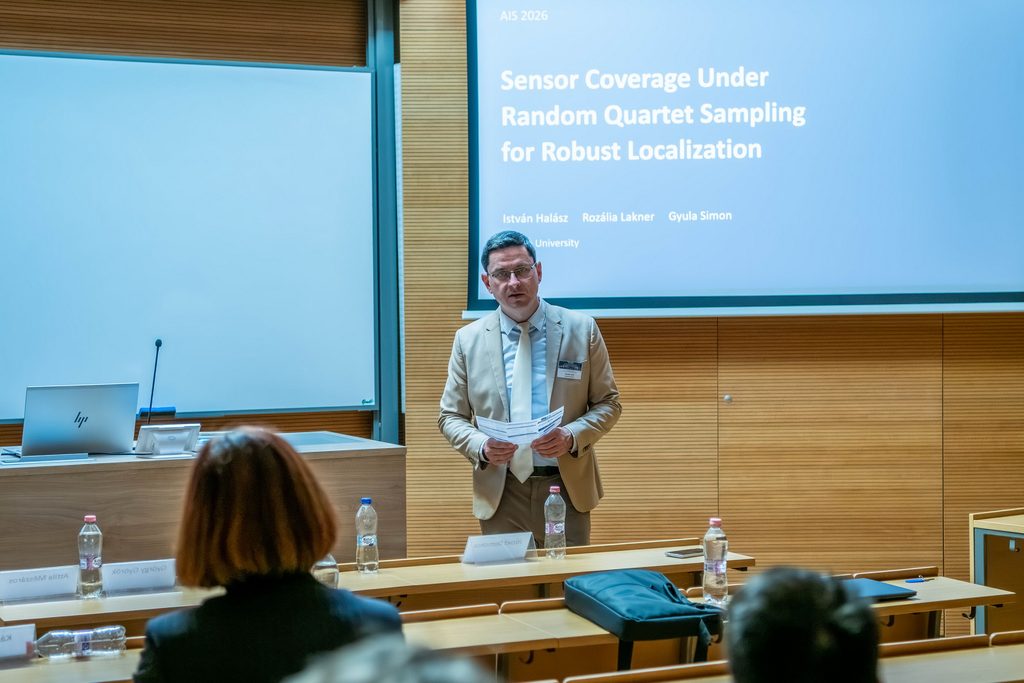
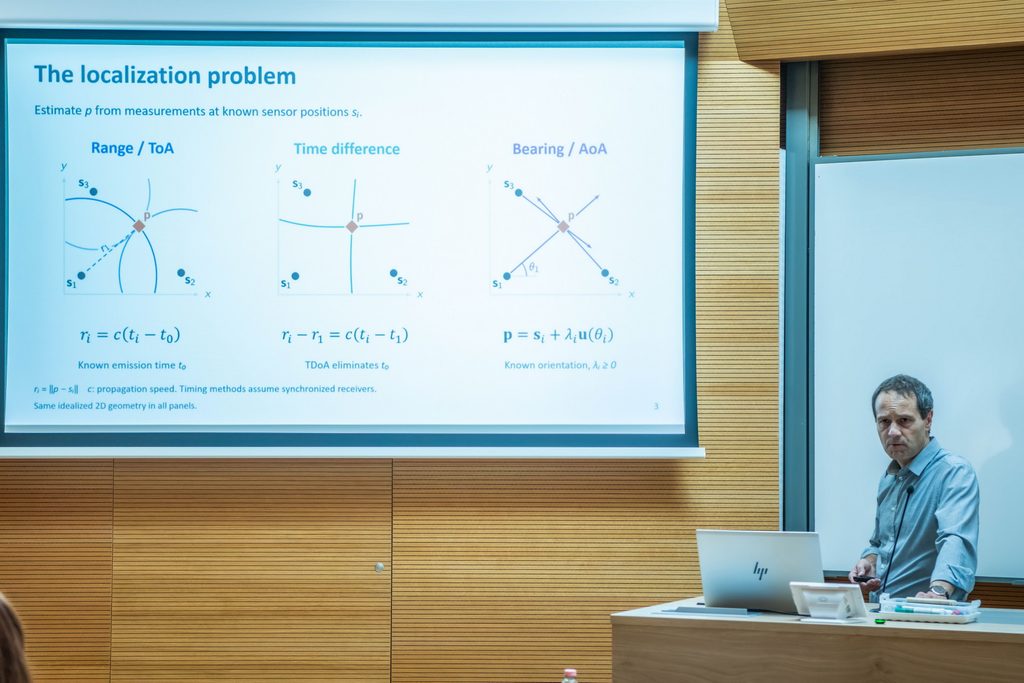
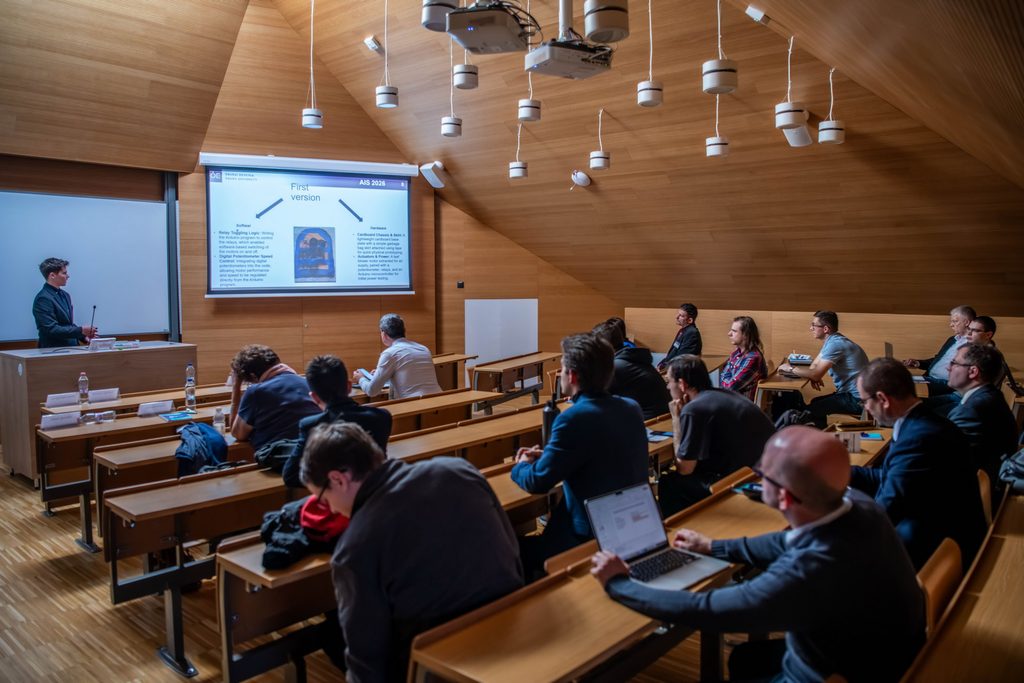
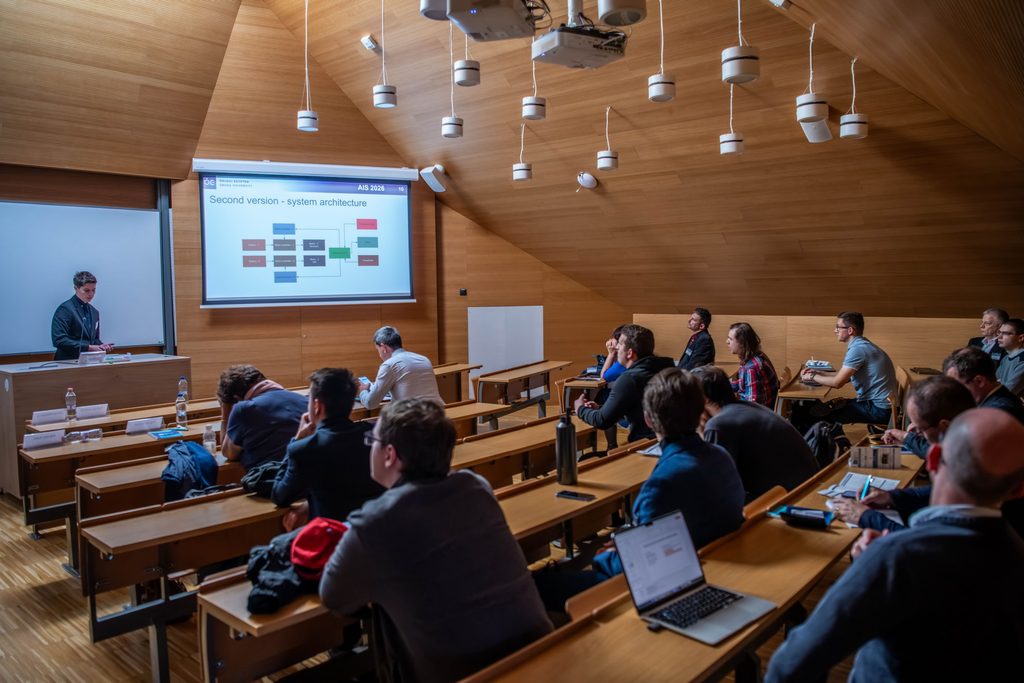
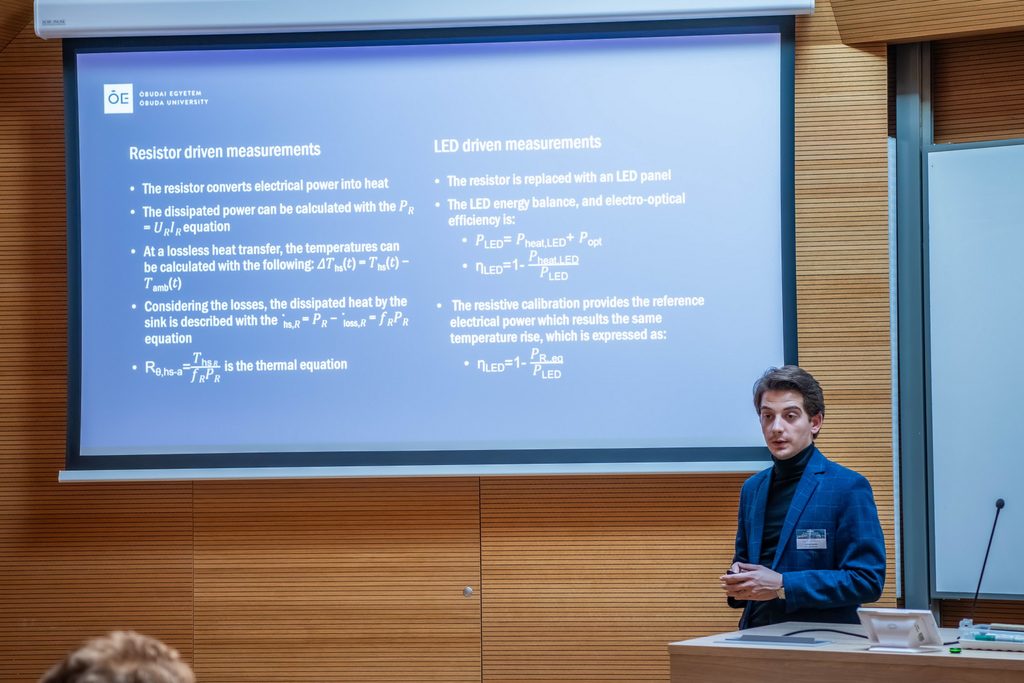
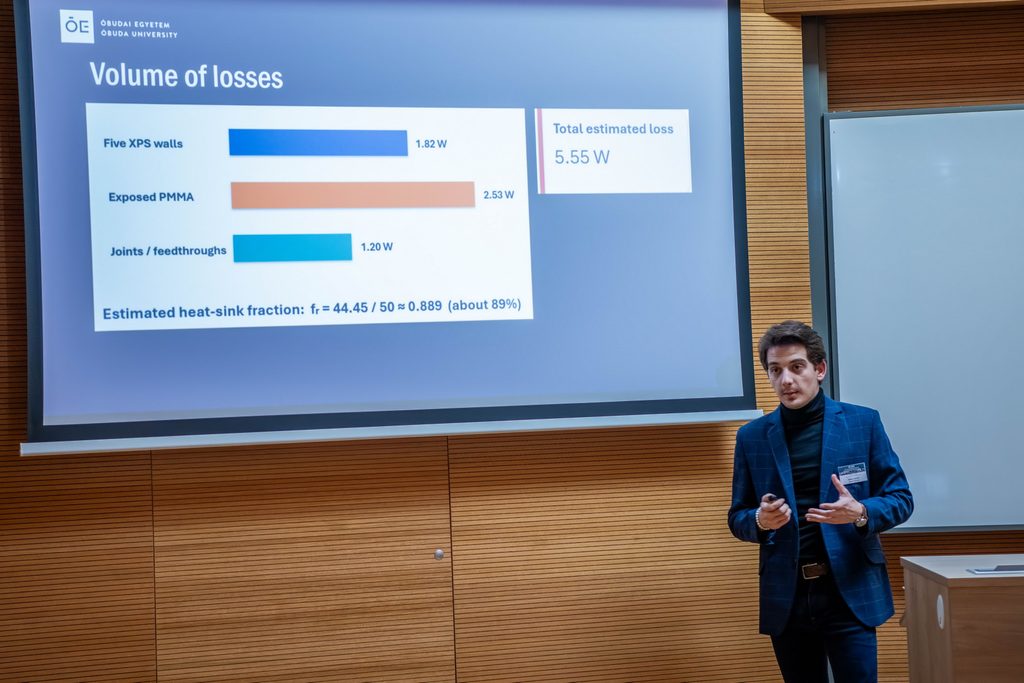
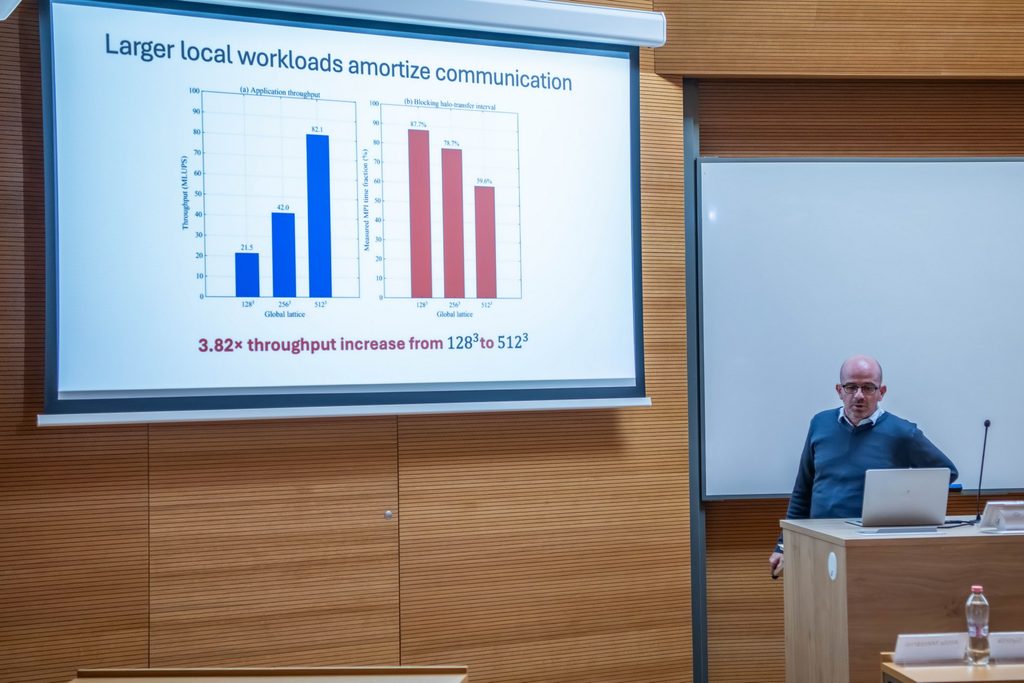
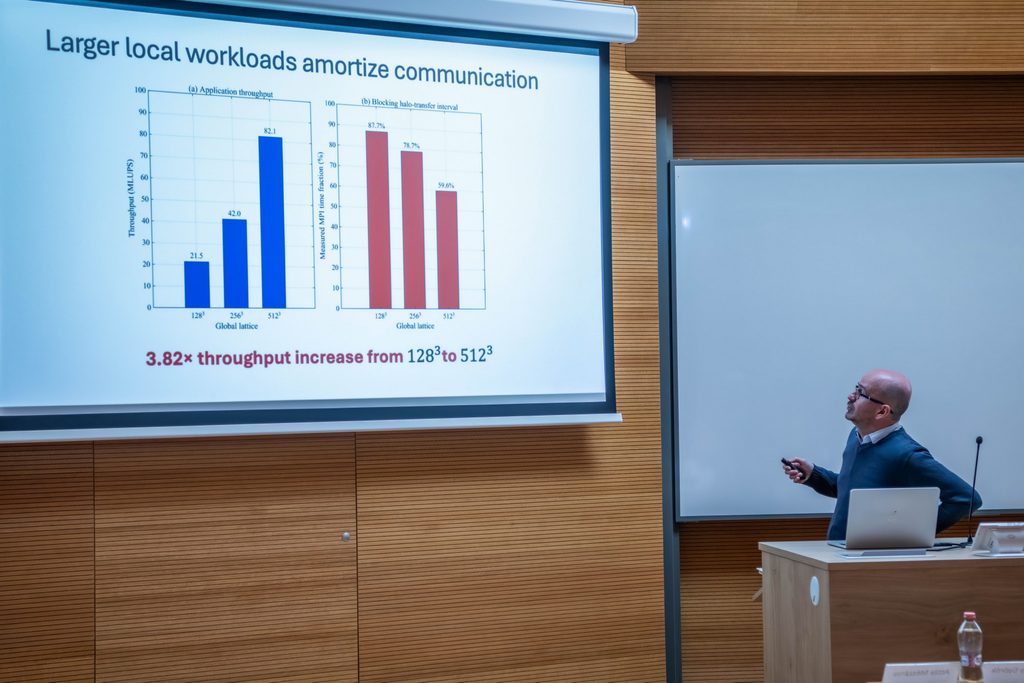
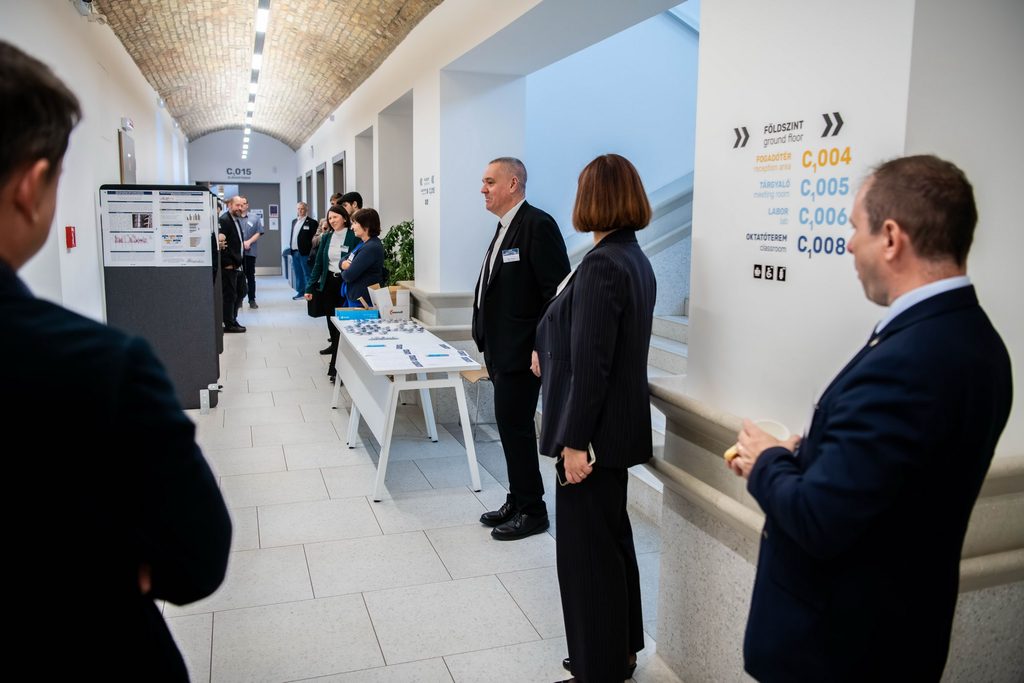
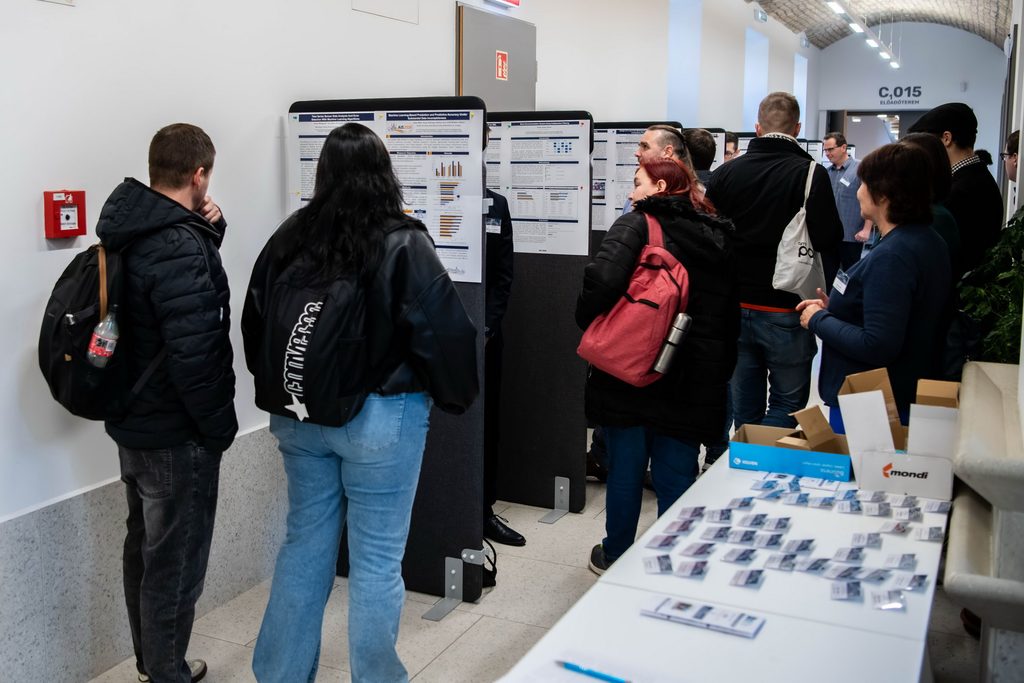
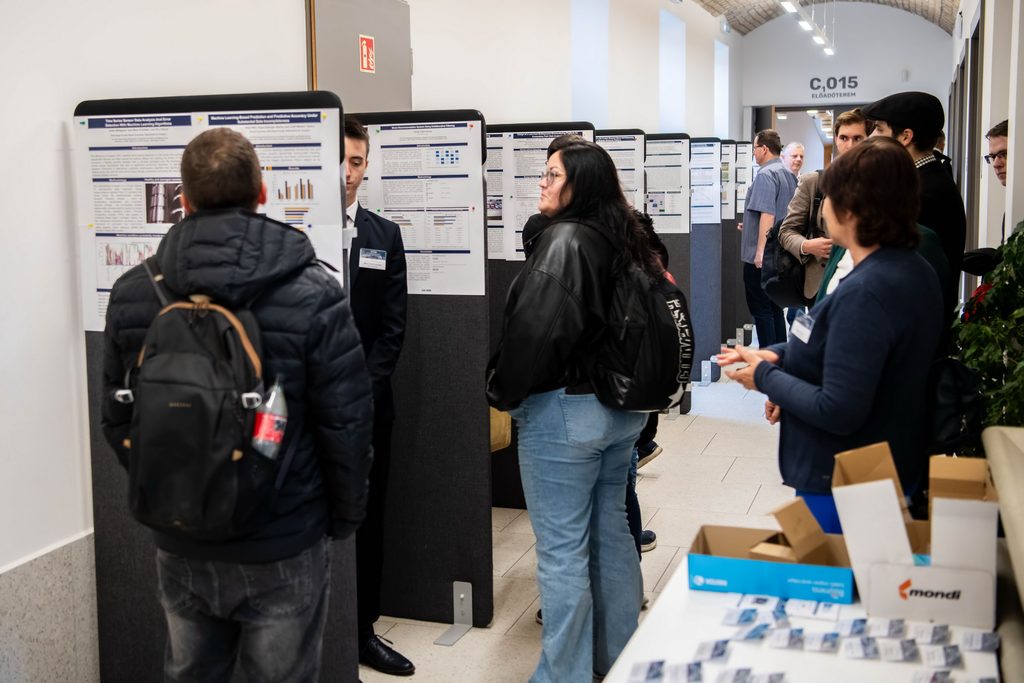
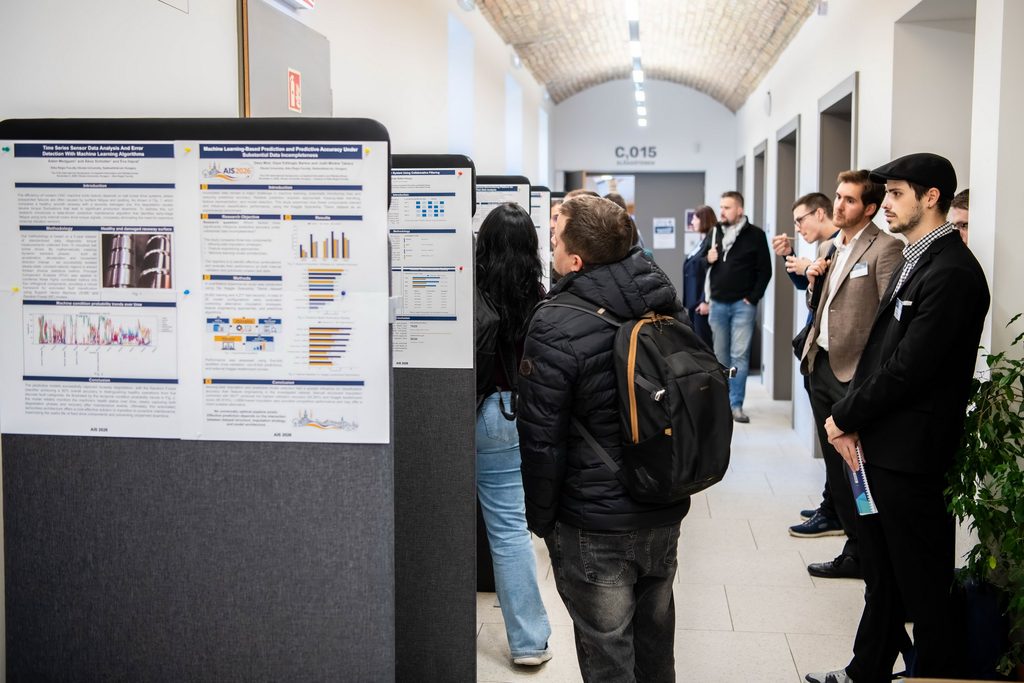
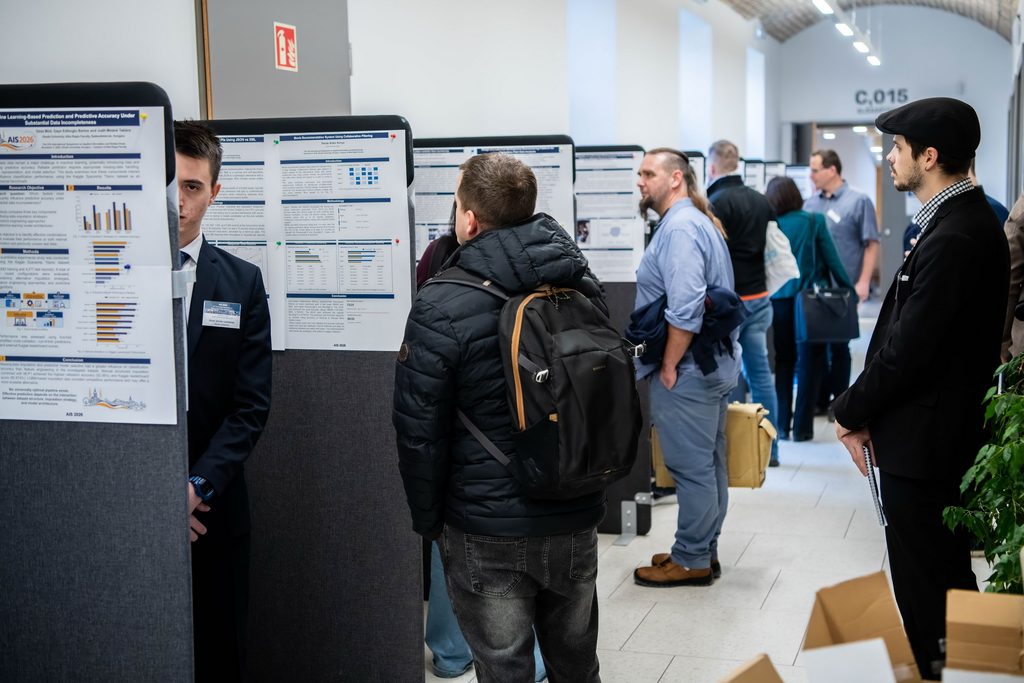
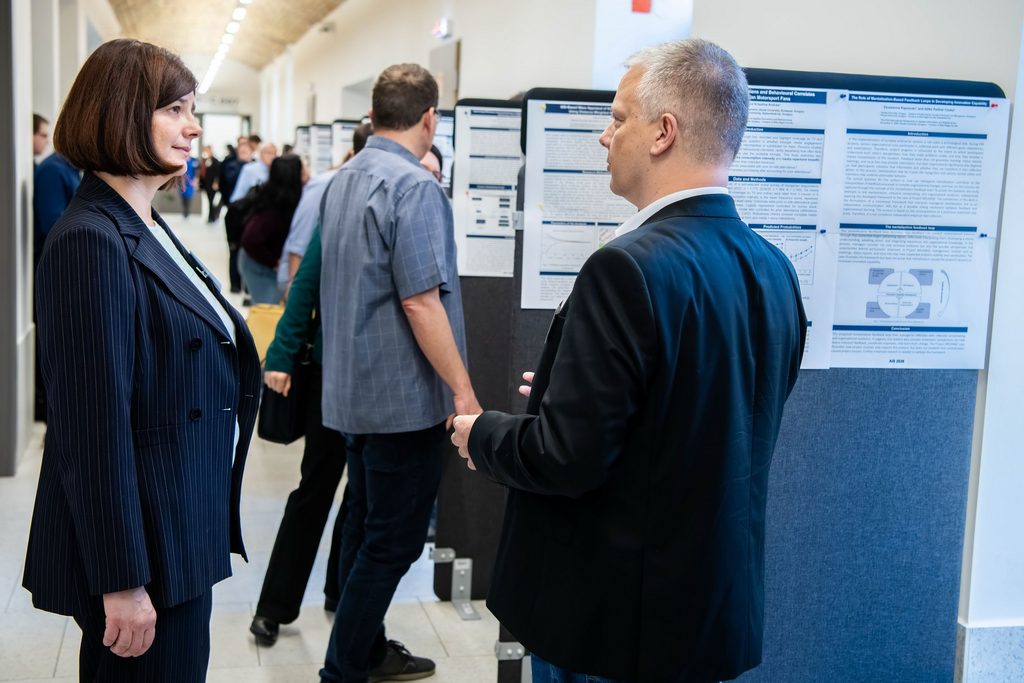
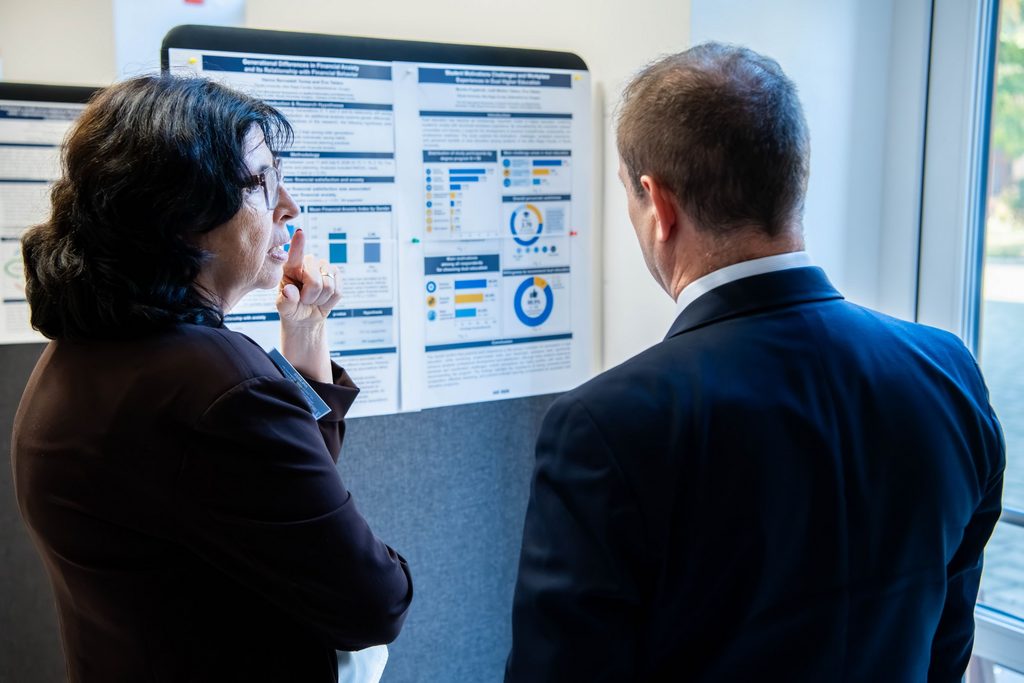
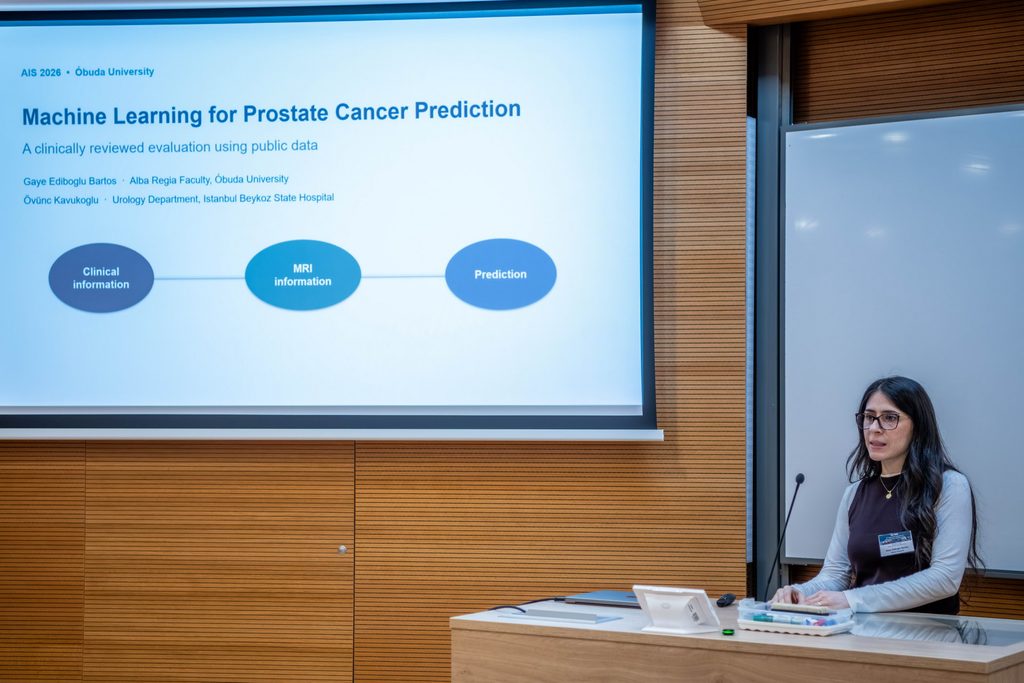
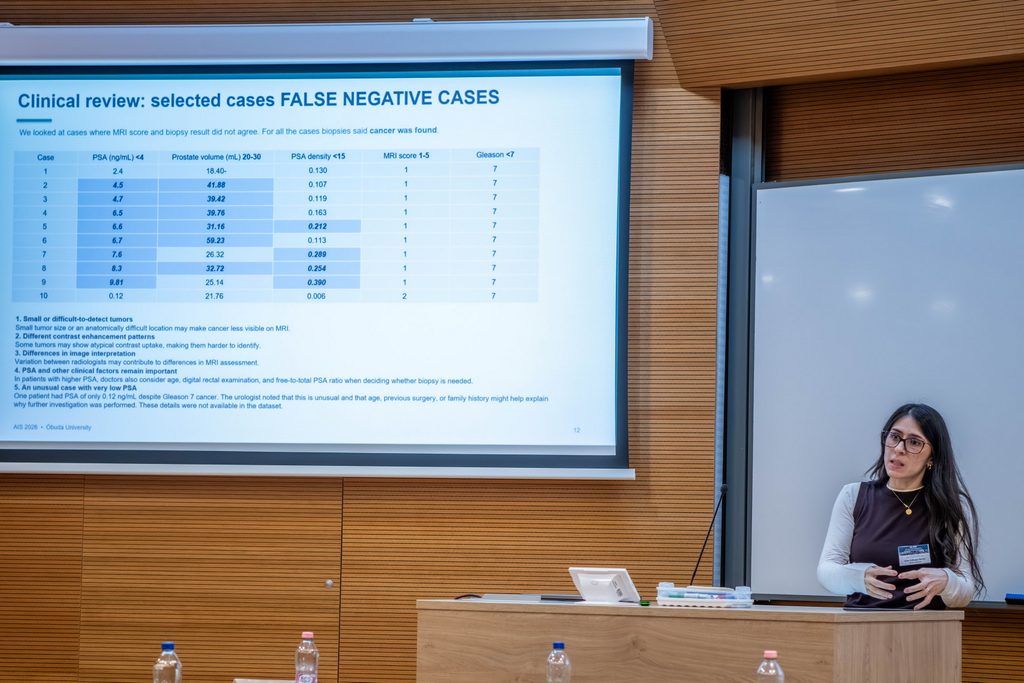
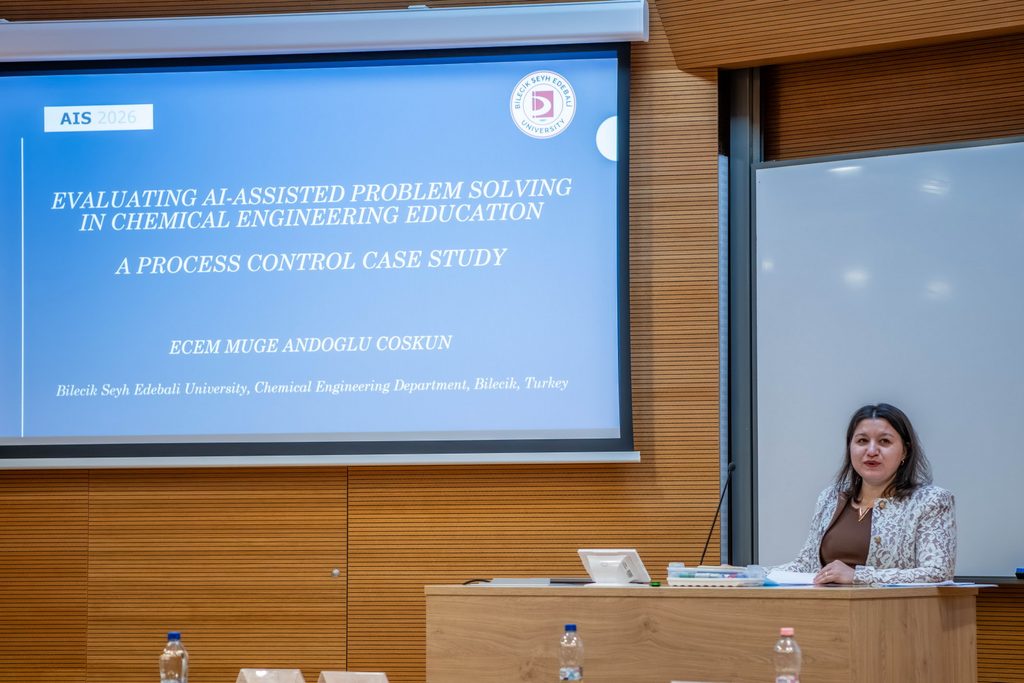
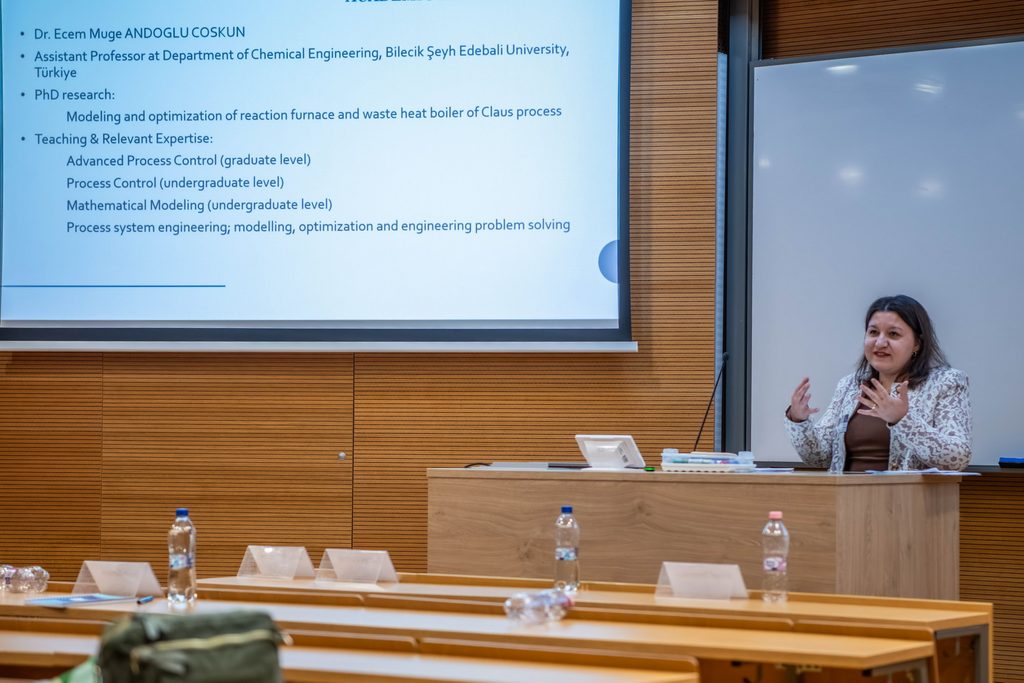
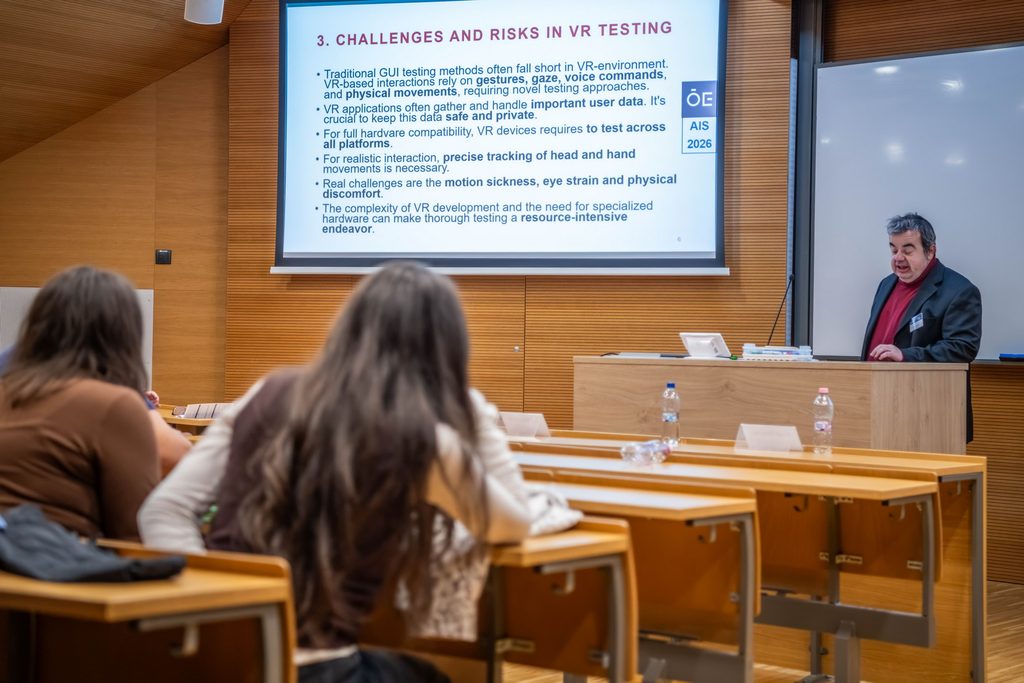
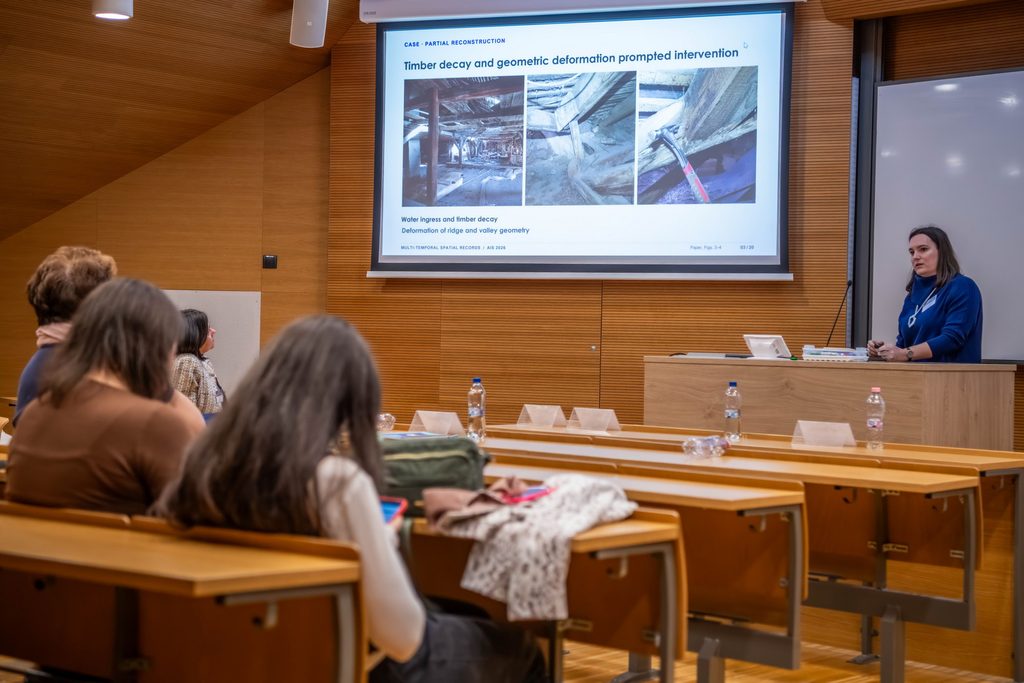
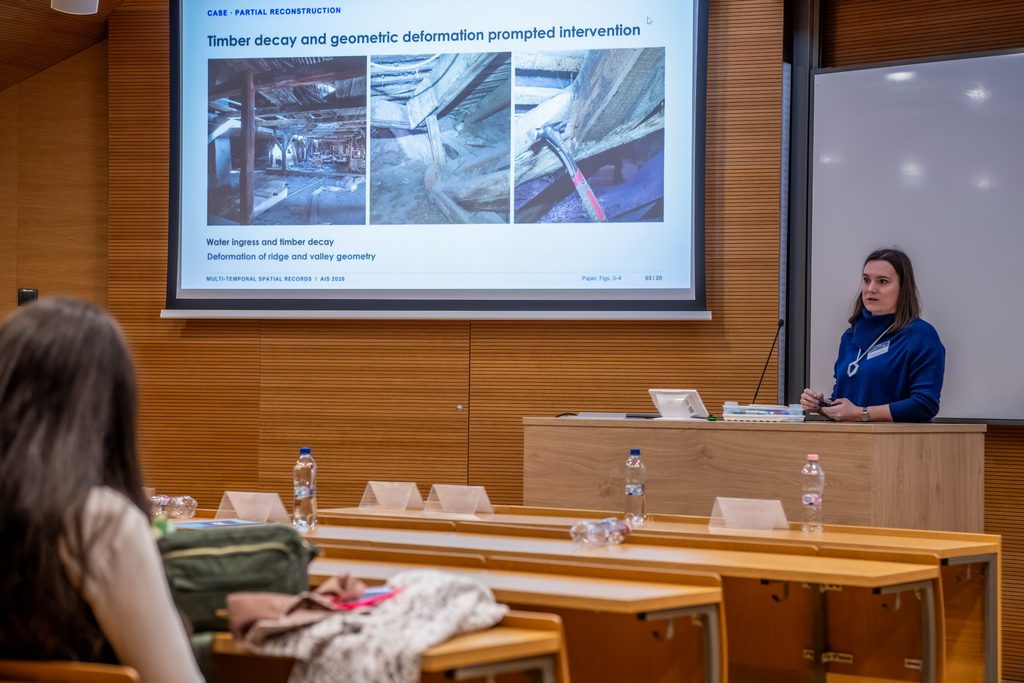
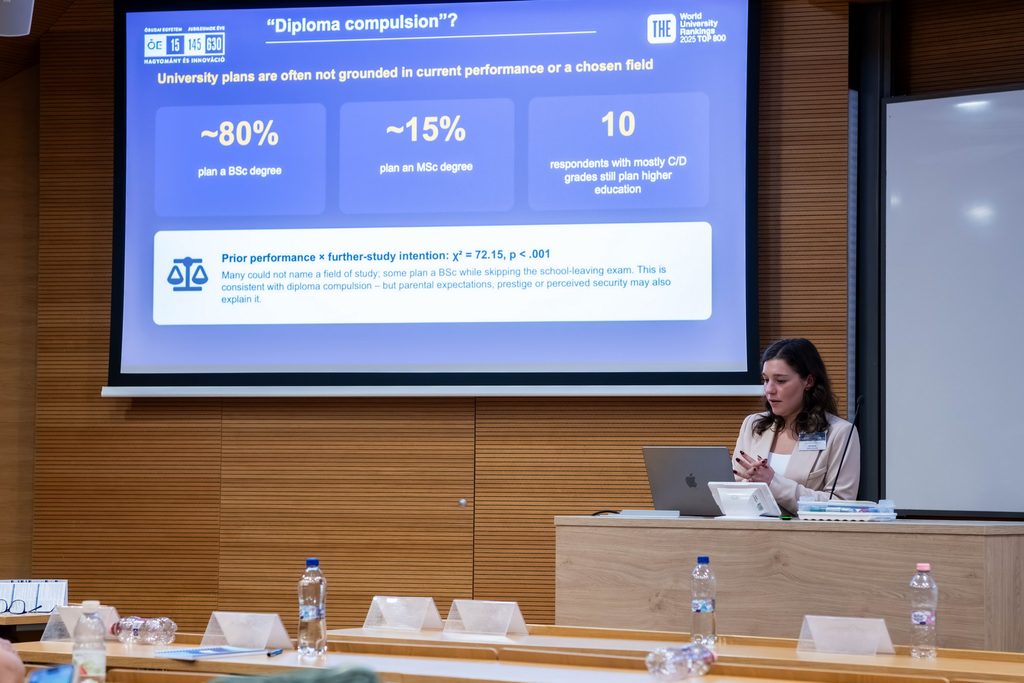
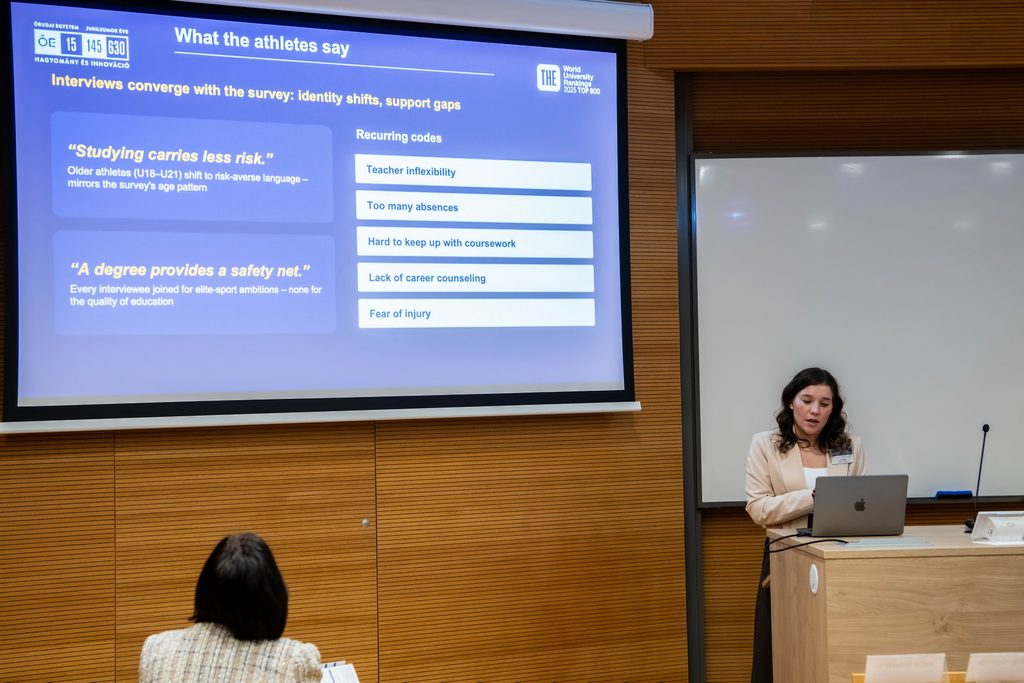
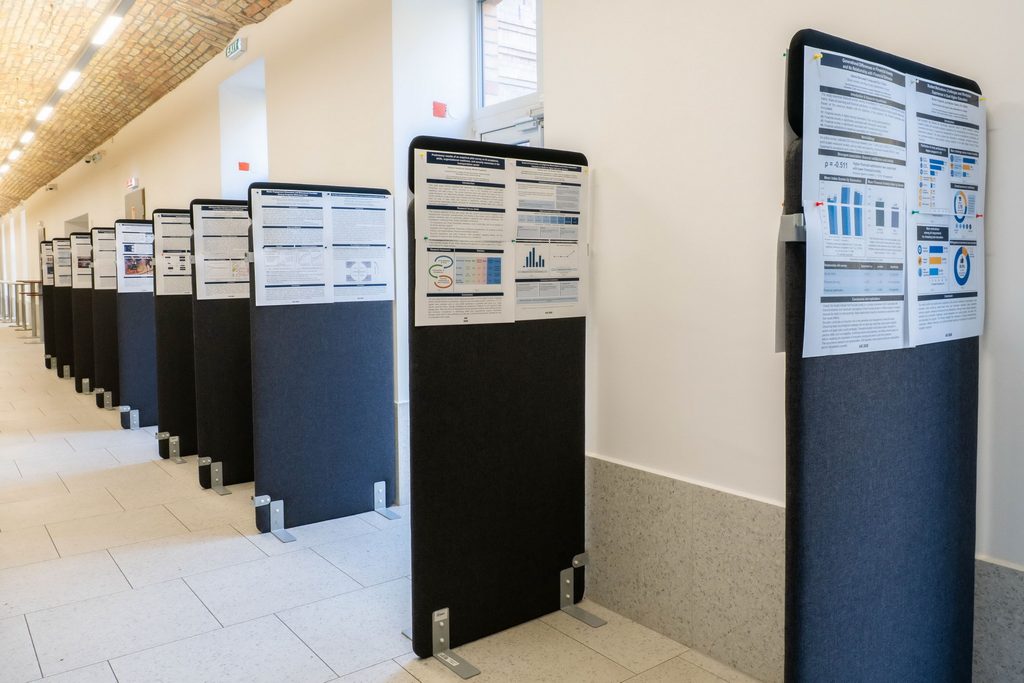
The afternoon sessions covered a wide range of topics, including smart systems, machine learning, virtual environments, and innovation. The poster sessions showcased research in geodesy, geoinformatics, embedded systems, business and economic processes, education, and robotics. The presentations also featured practical developments such as intelligent sensor networks, automated measurement systems, and robotic solutions. Research in economics and education addressed generational differences, workplace motivation and leadership competencies, the development of digital and financial skills, applications of artificial intelligence, sustainable mobility, and media consumption, while also highlighting their implications for education and training.
The conference focused on the practical applicability of research findings and collaboration across different scientific disciplines. It provided opportunities to establish new professional relationships and strengthen cooperation between academia and industry. The 21st AIS Conference once again demonstrated the important role of the scientific community in supporting innovation and progress.