SDG Competition 2026: Sustainability Through Collaboration and Innovation
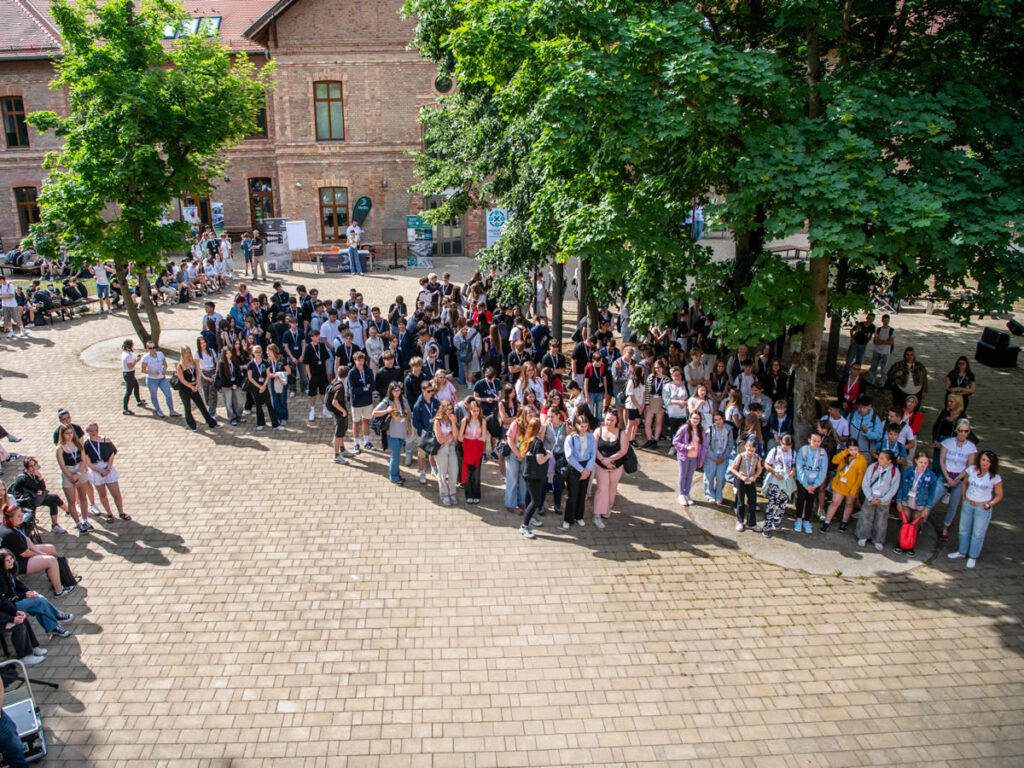
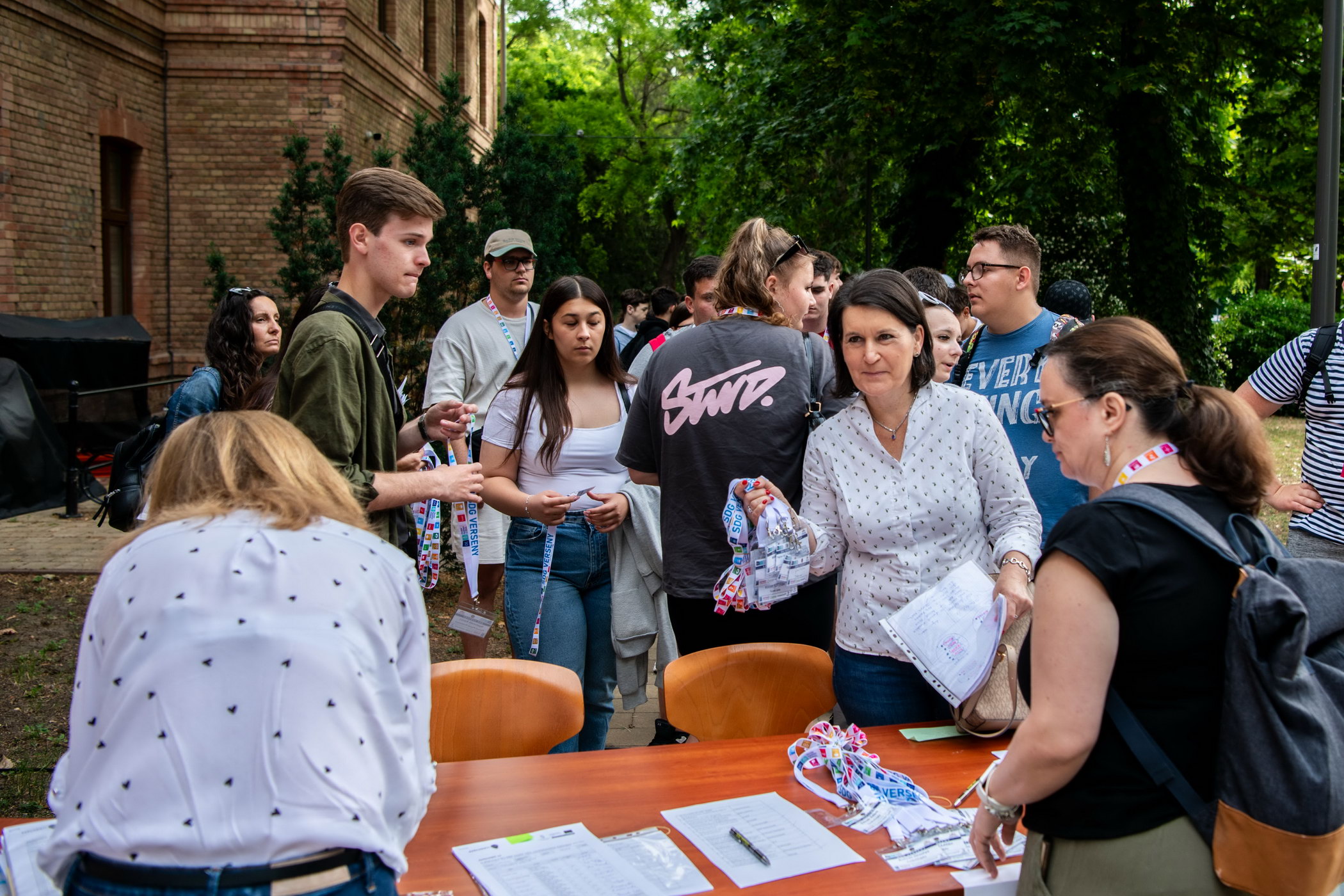
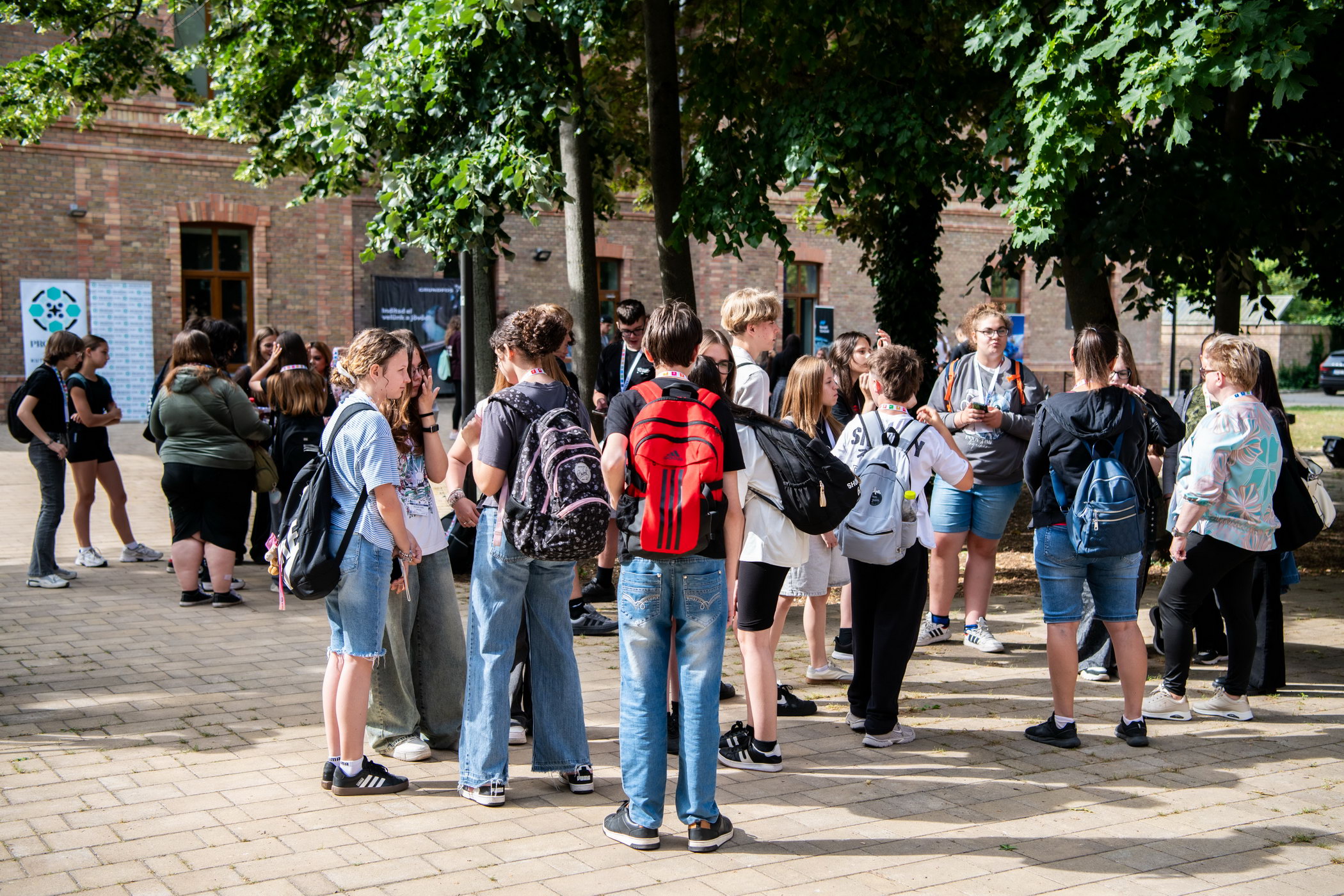
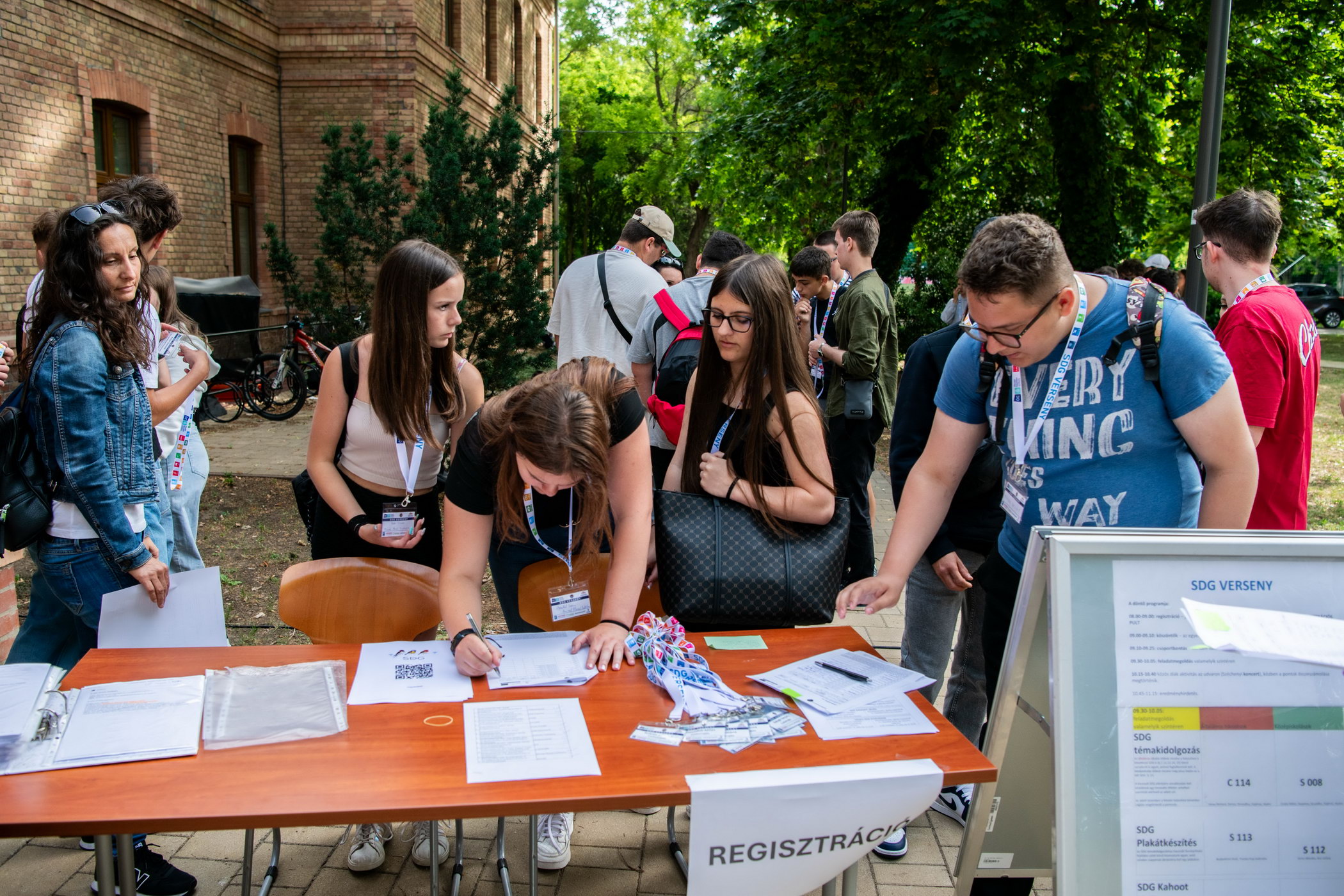
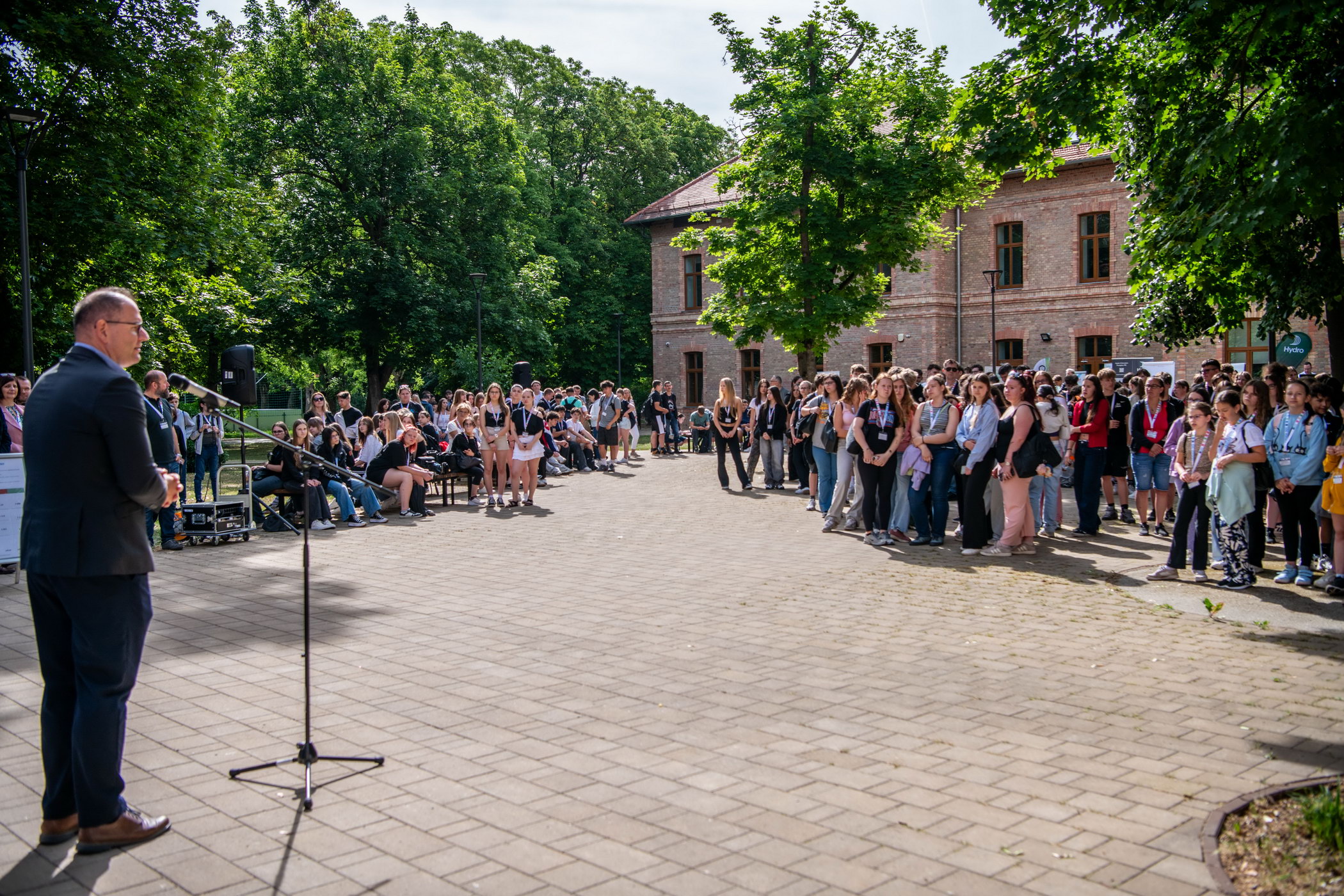
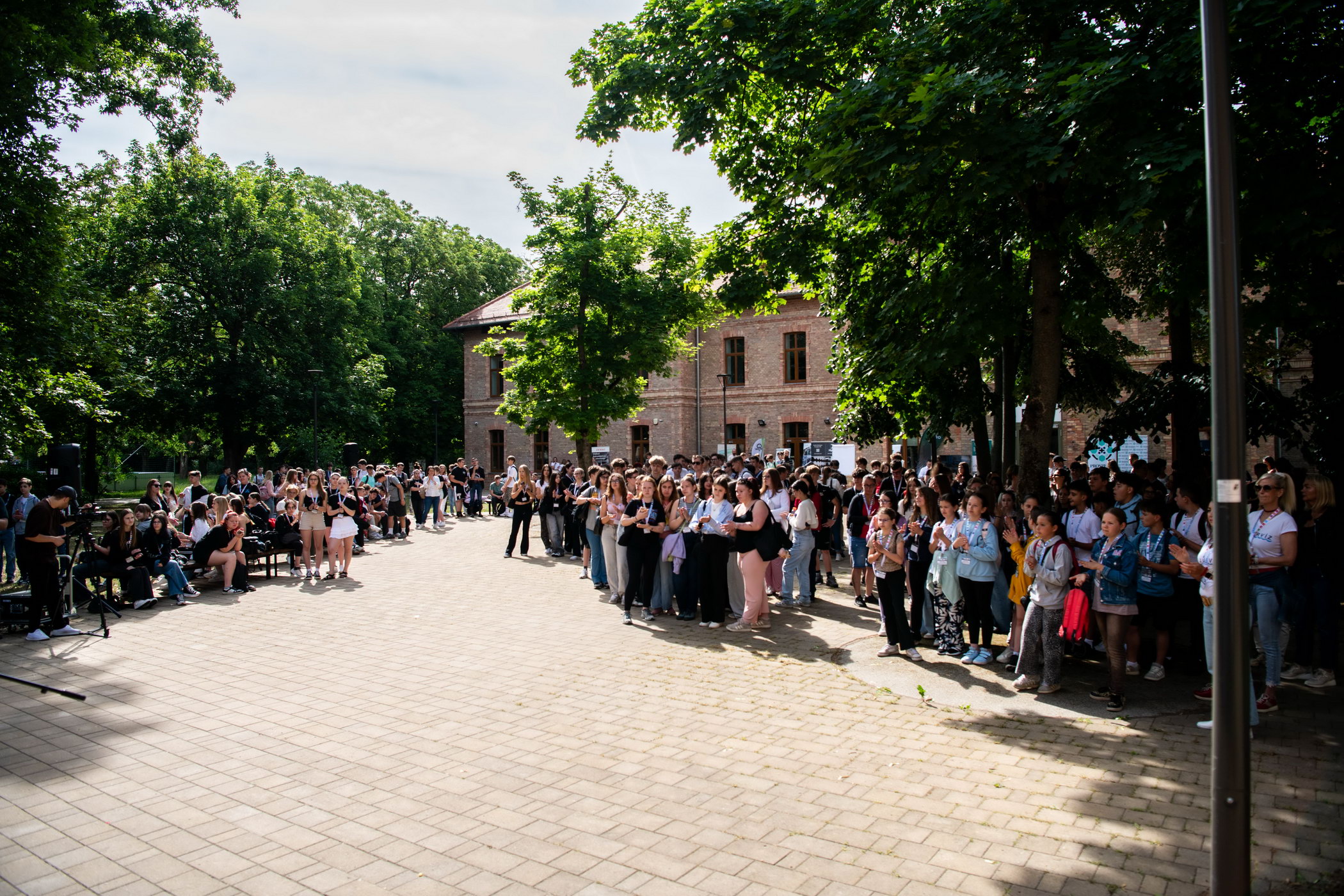
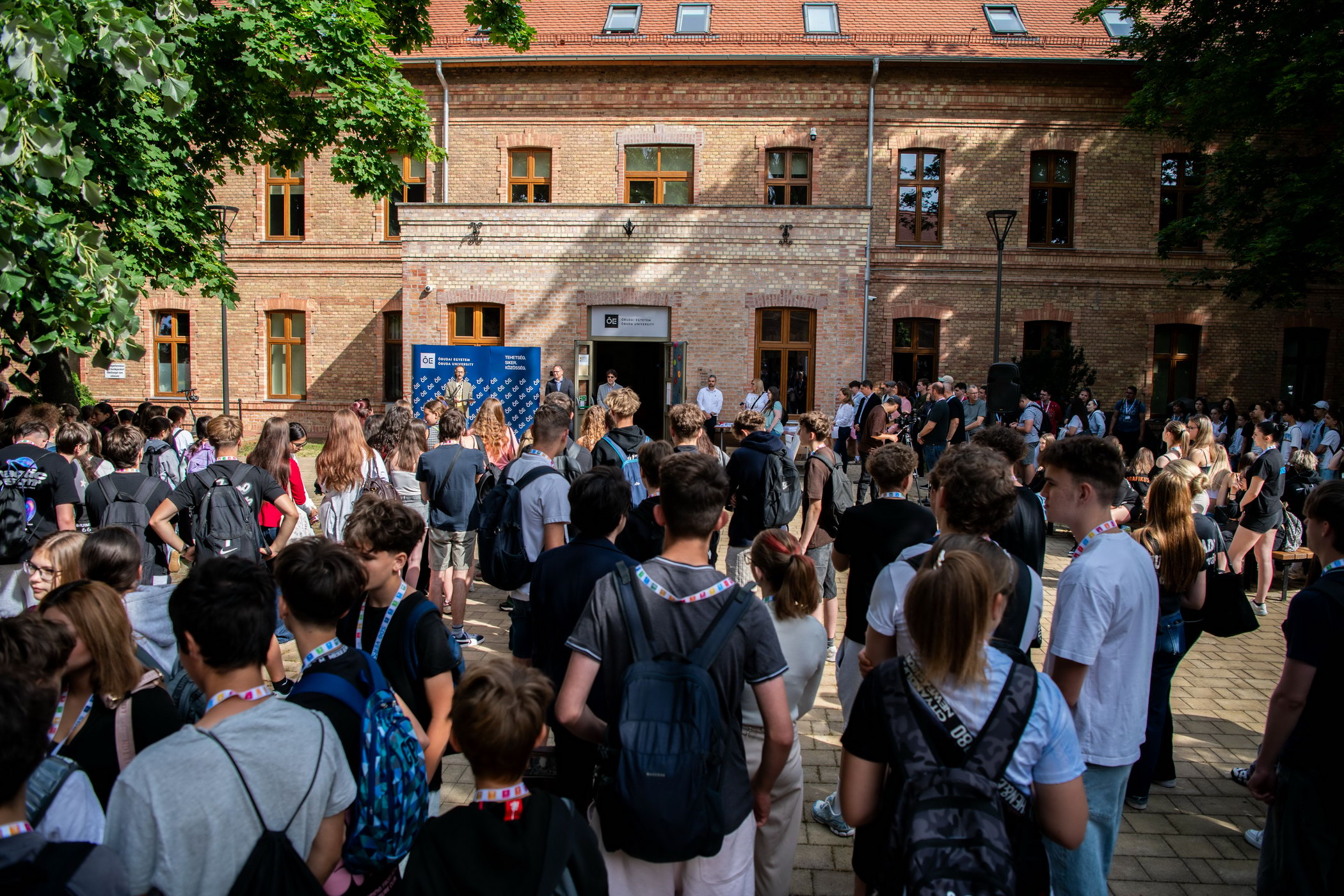
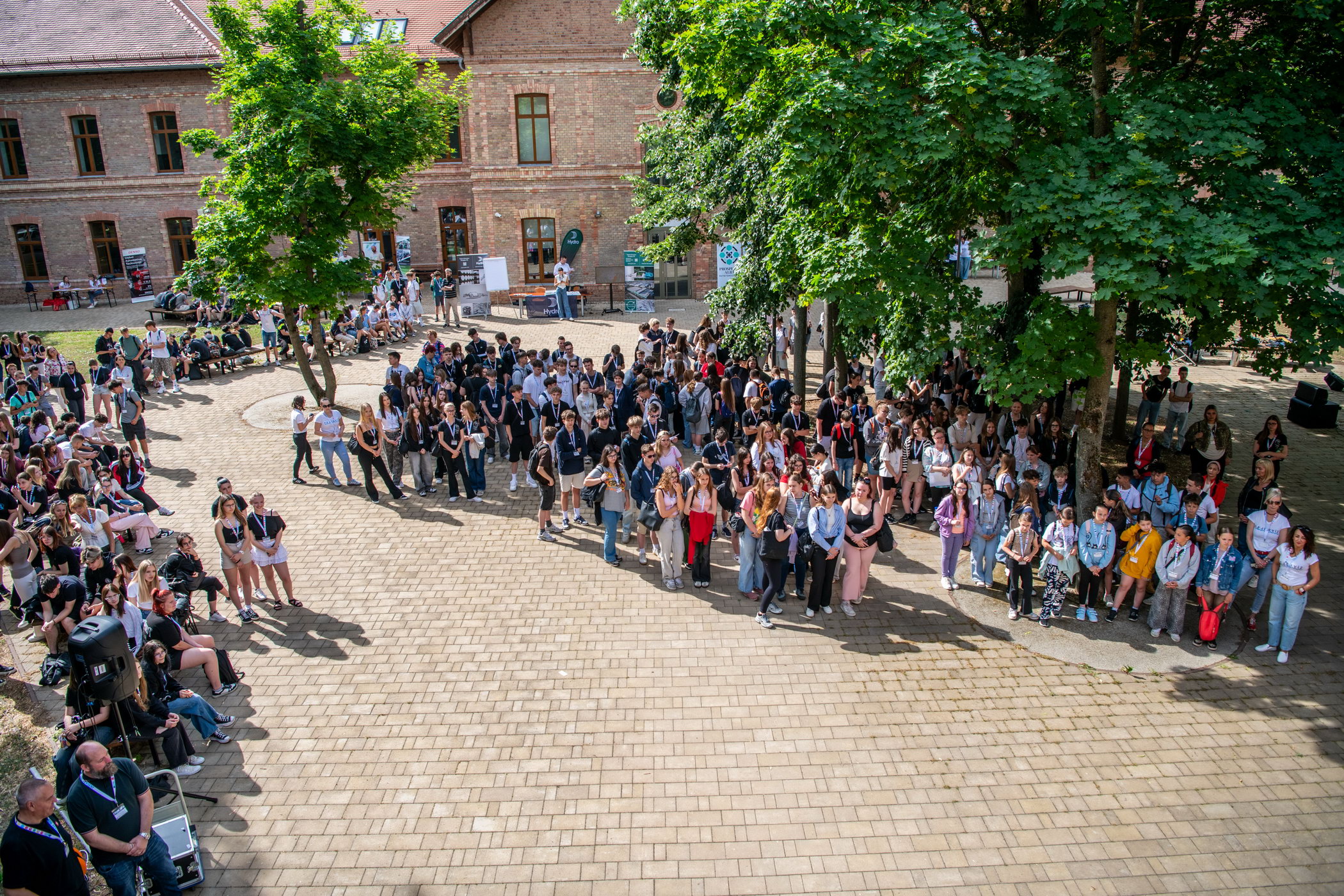
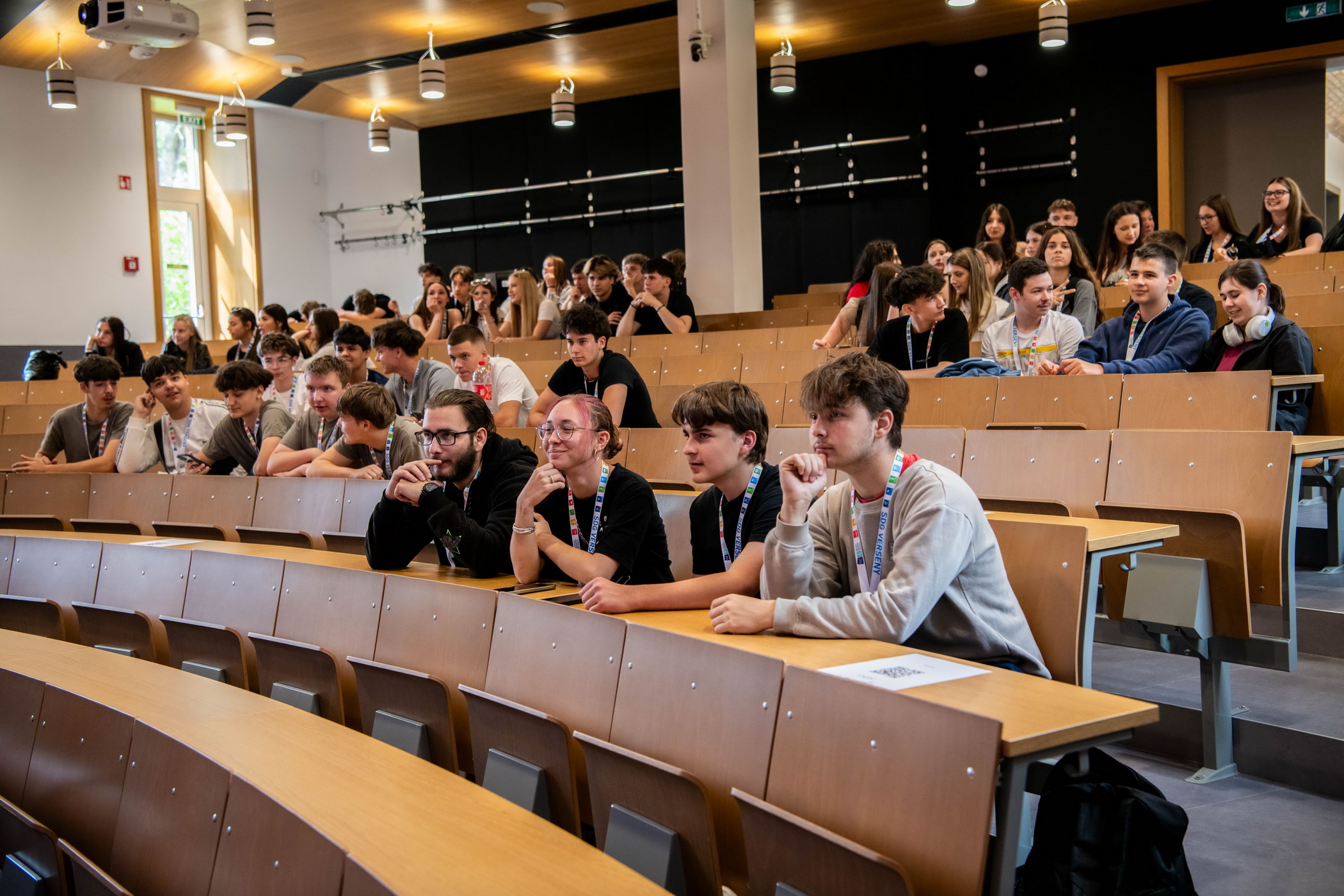
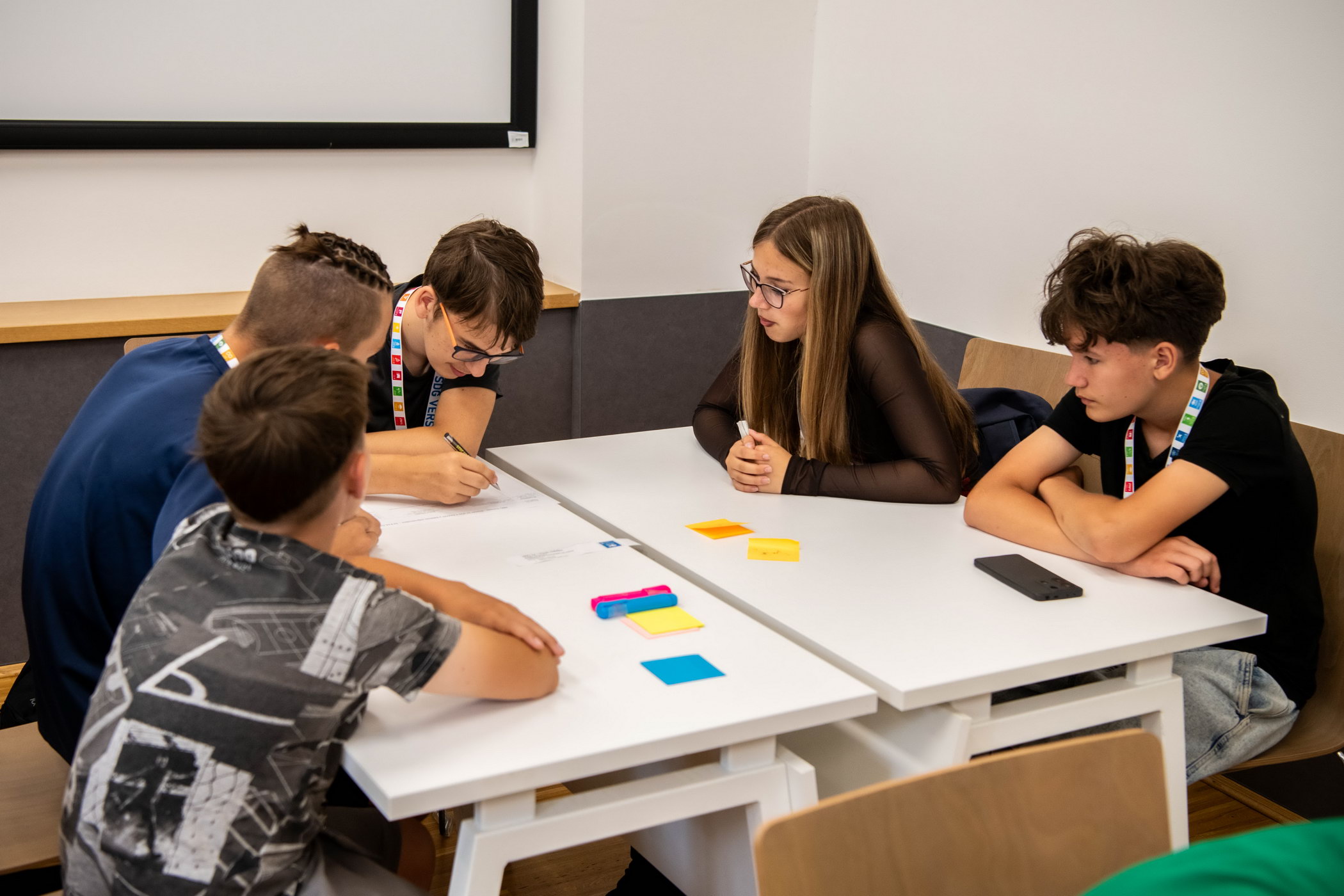
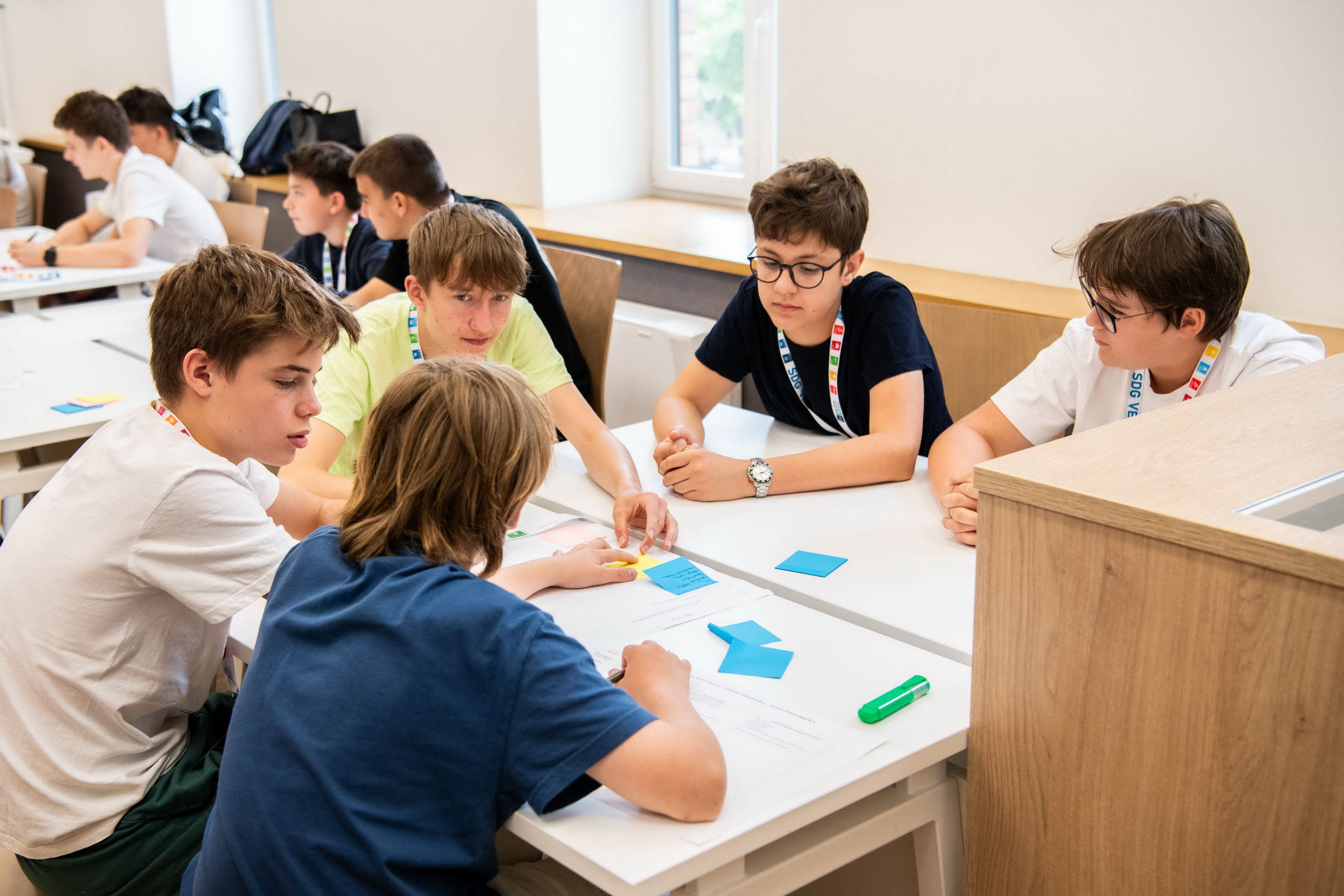
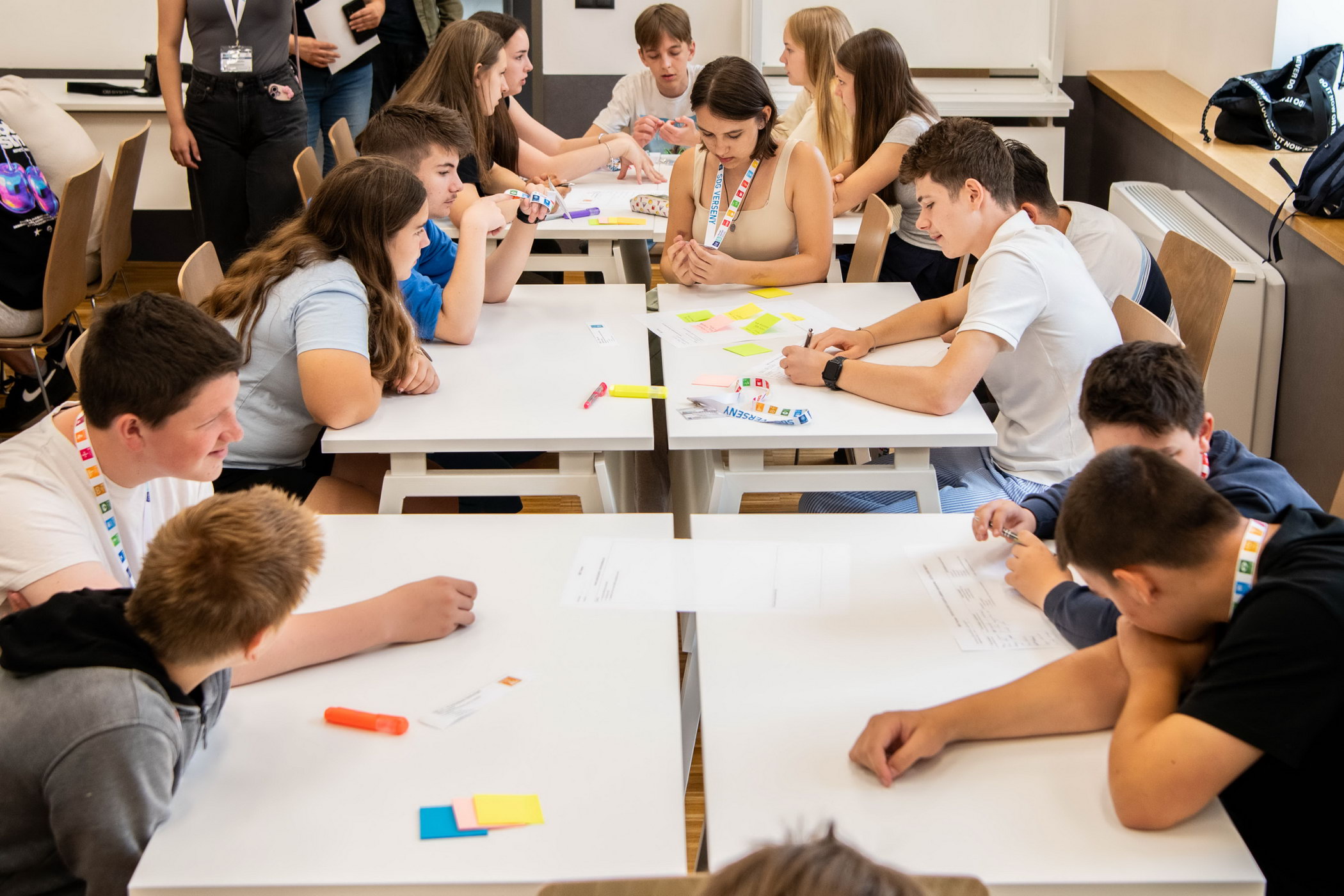
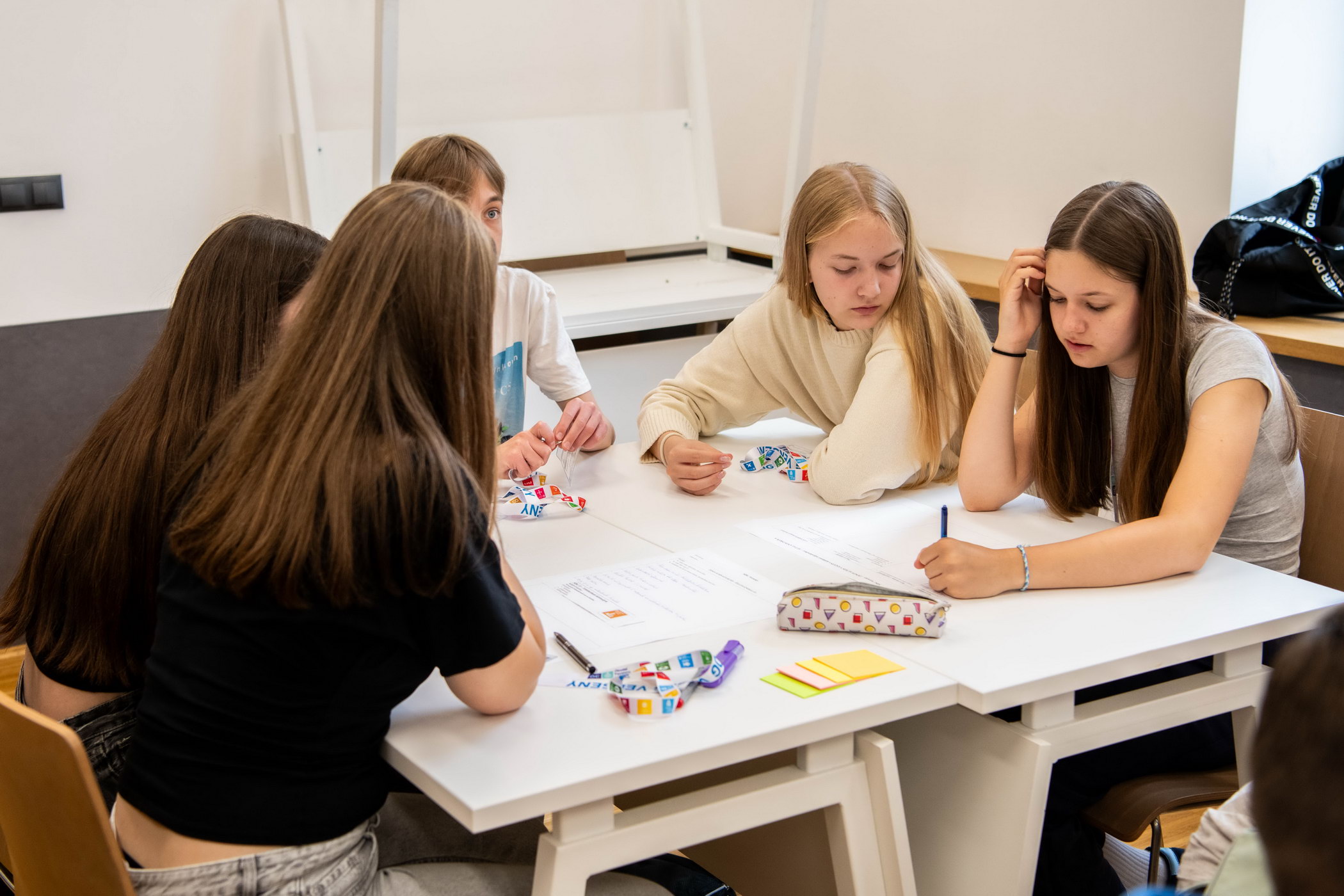
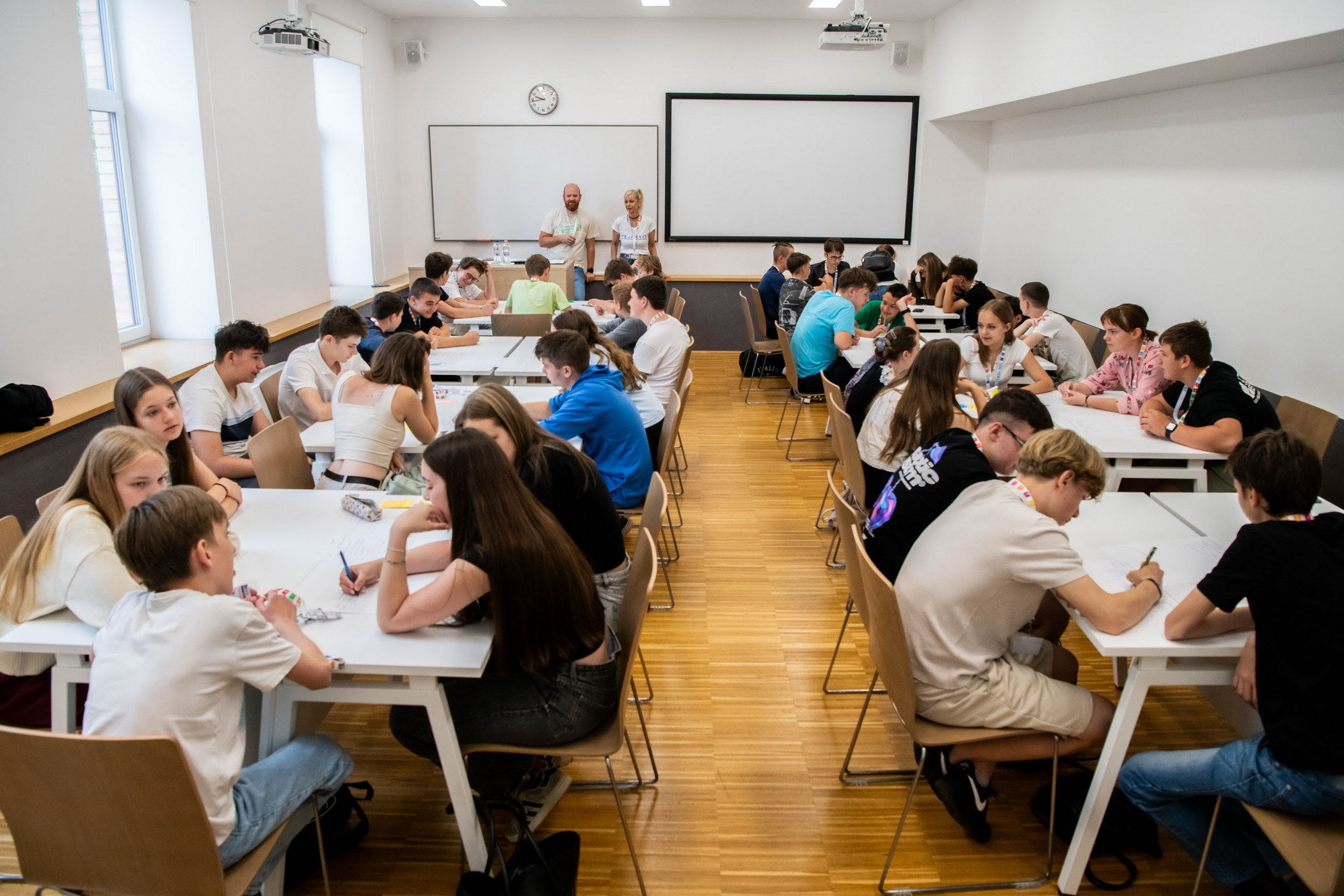
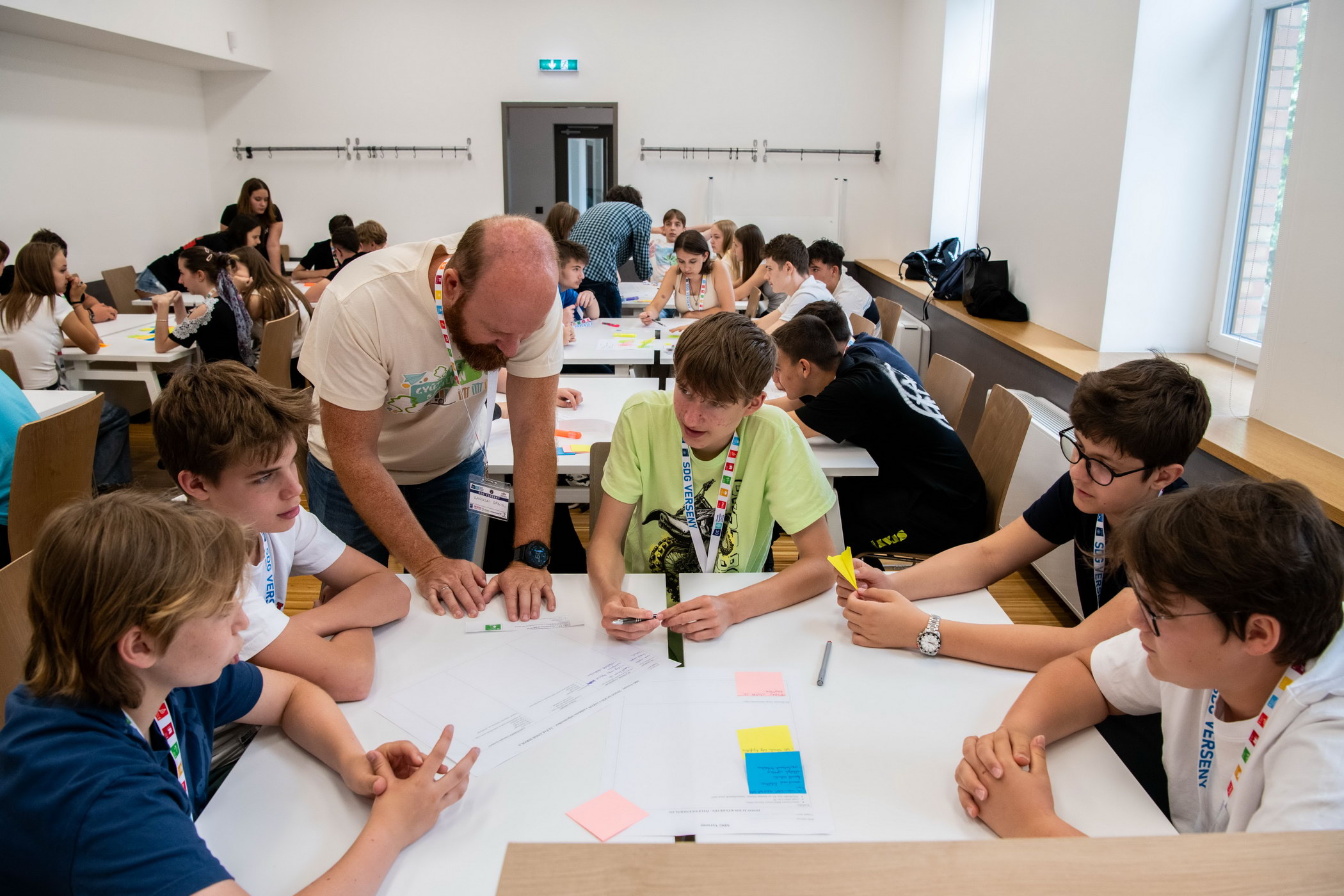
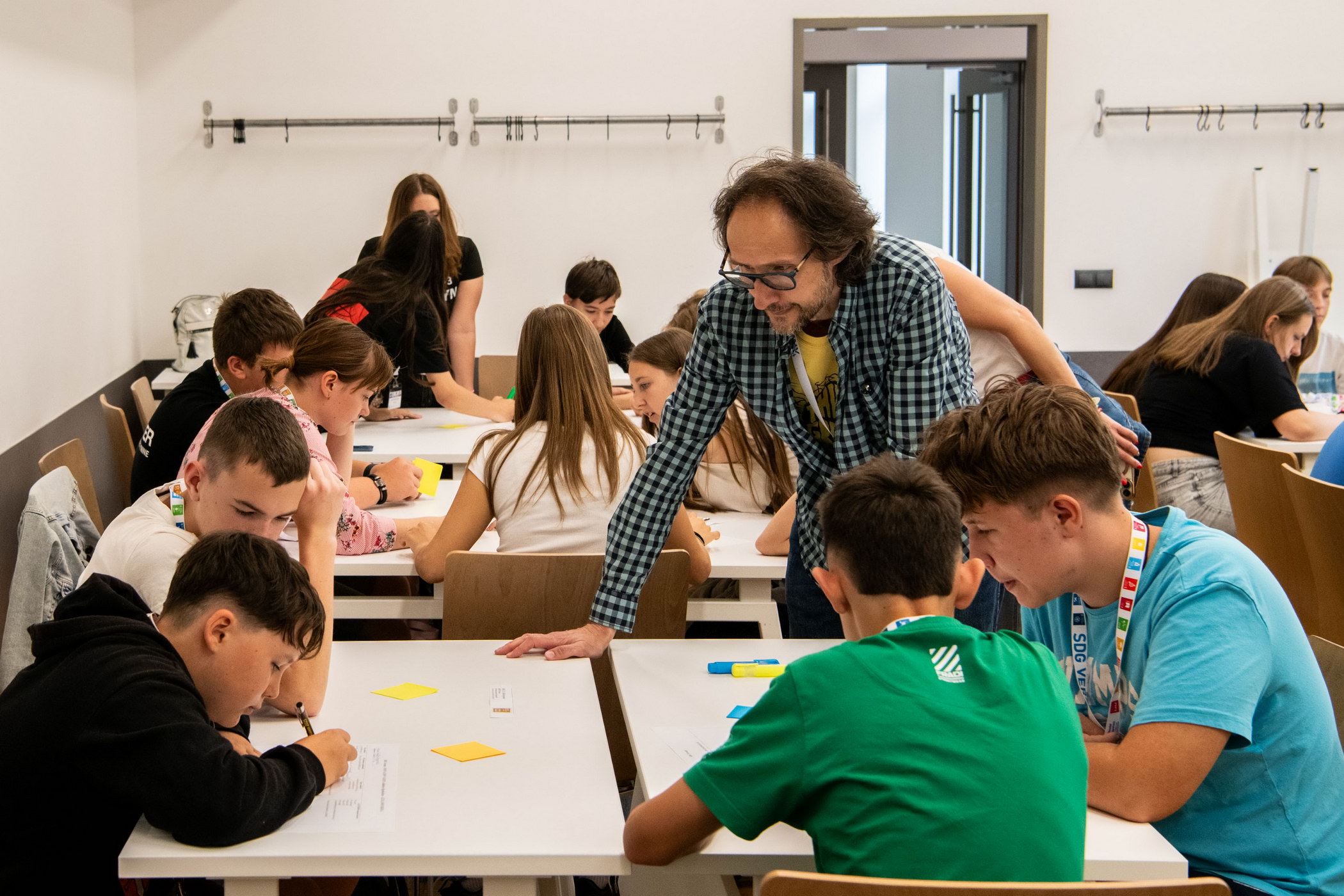
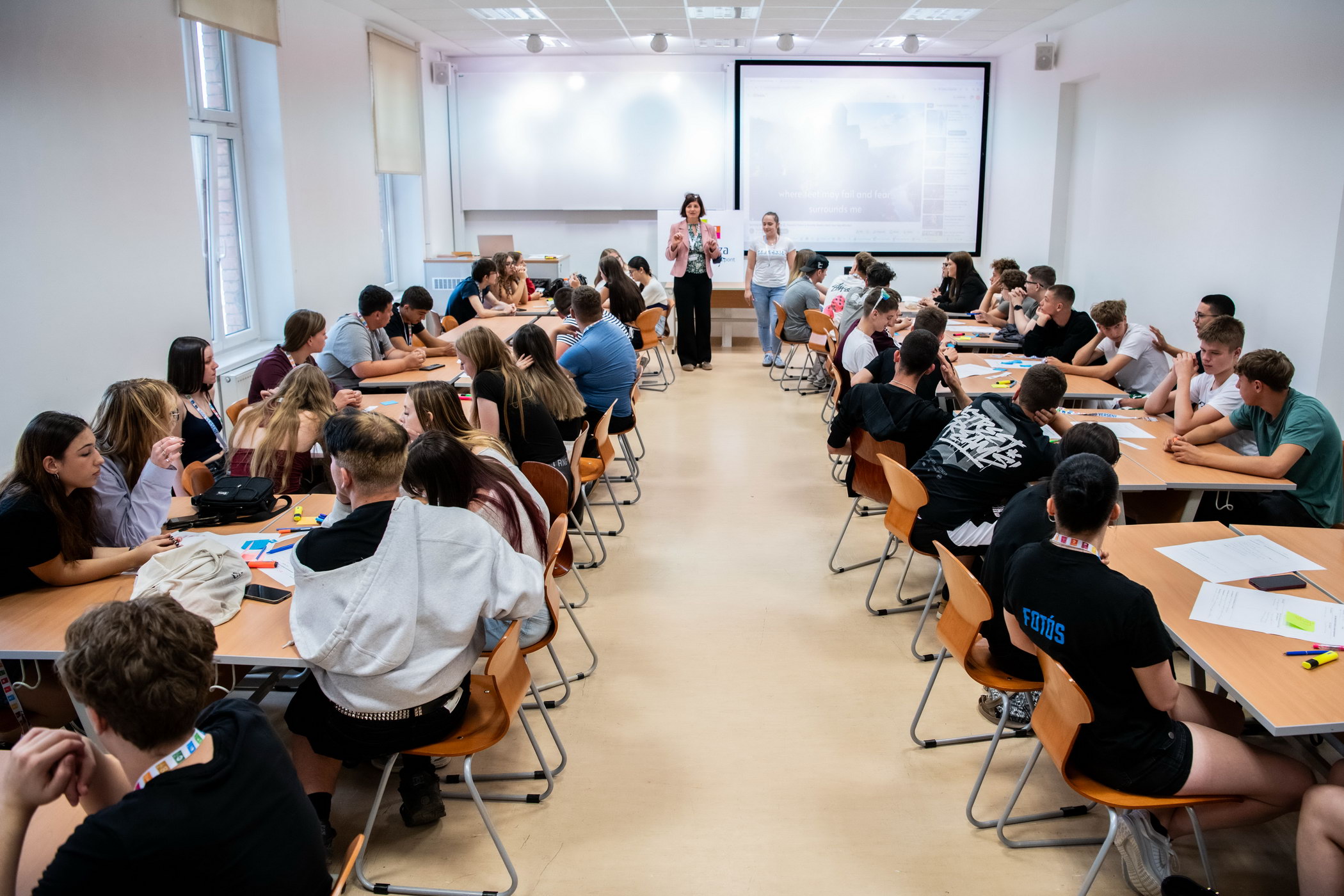
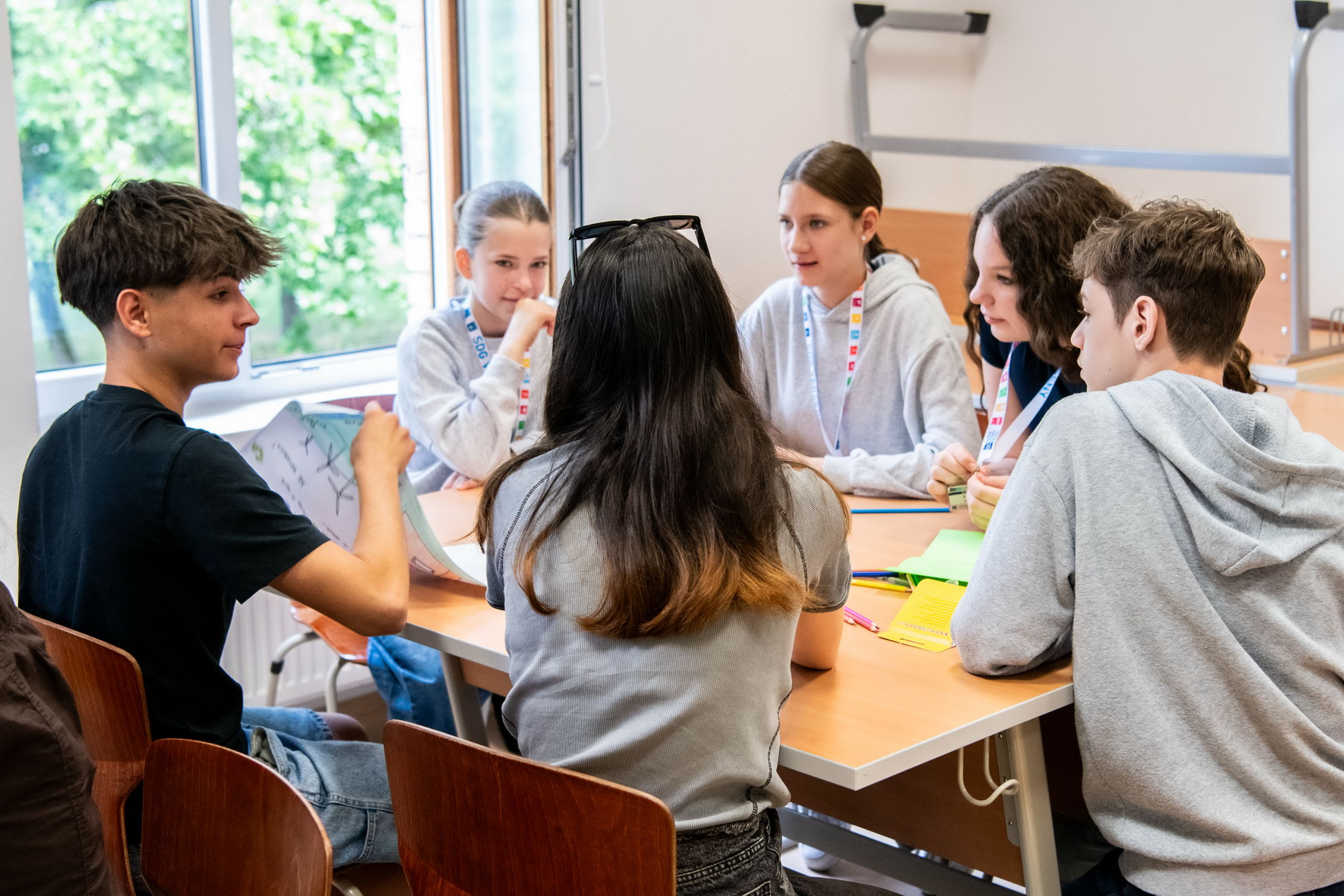
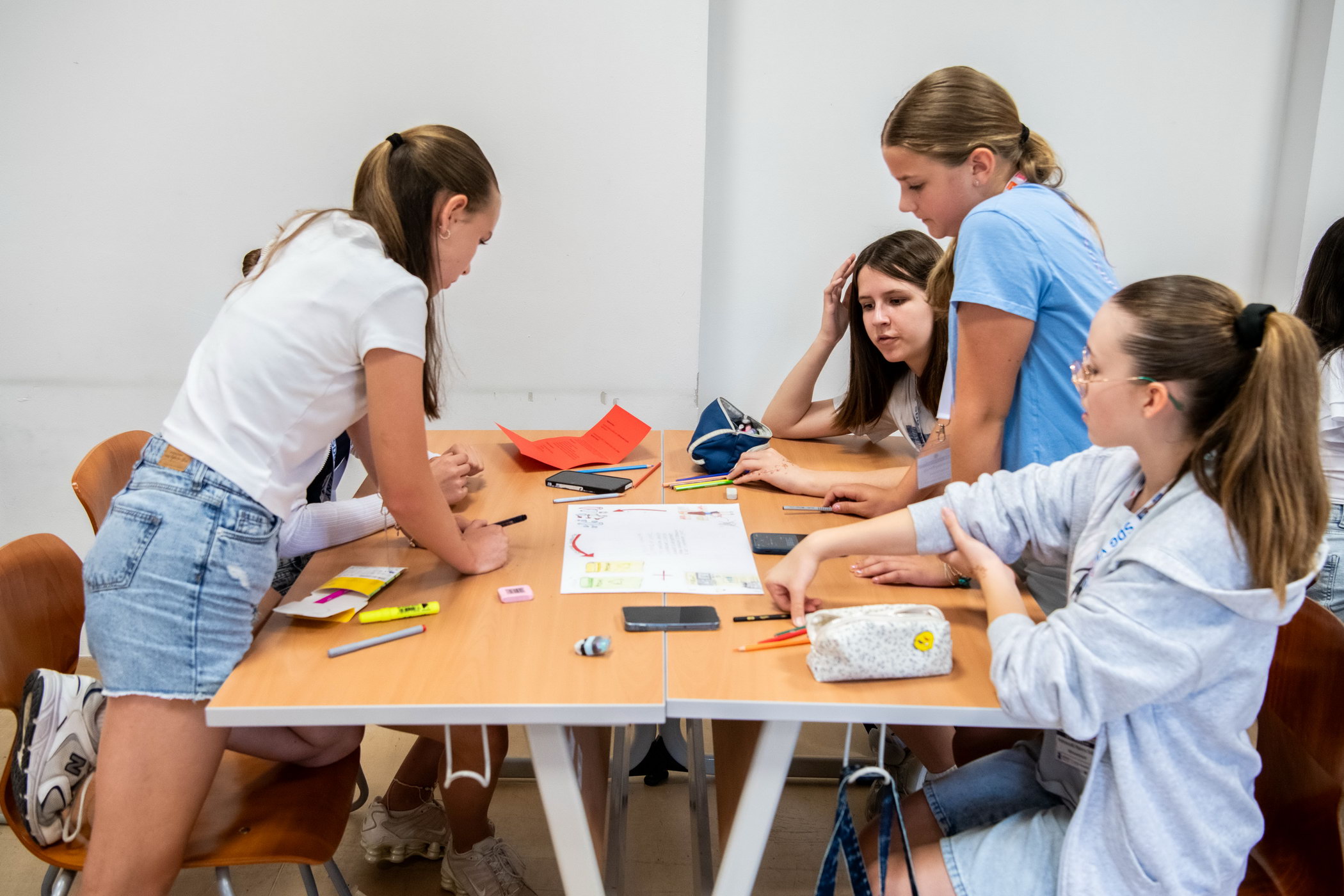
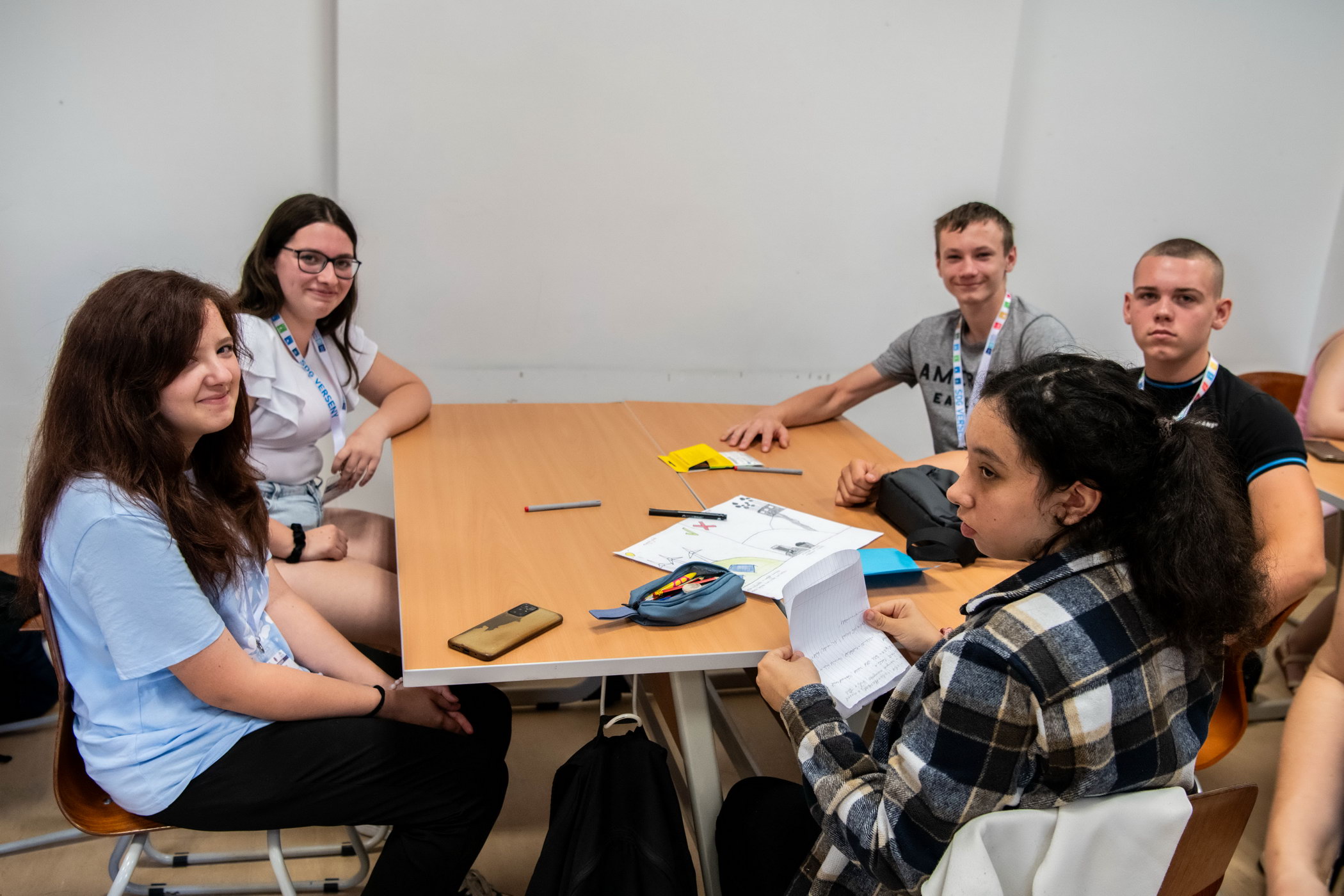
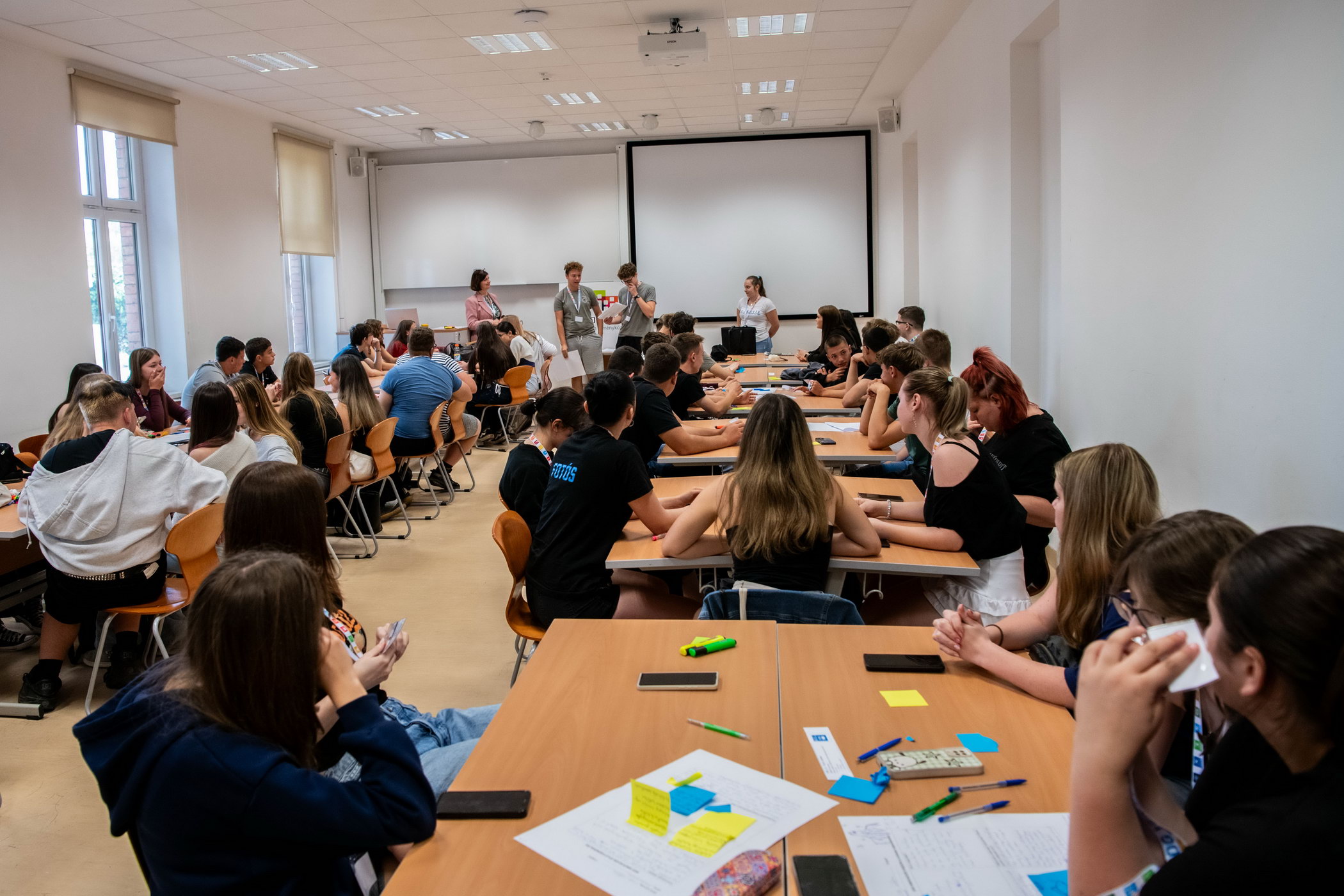
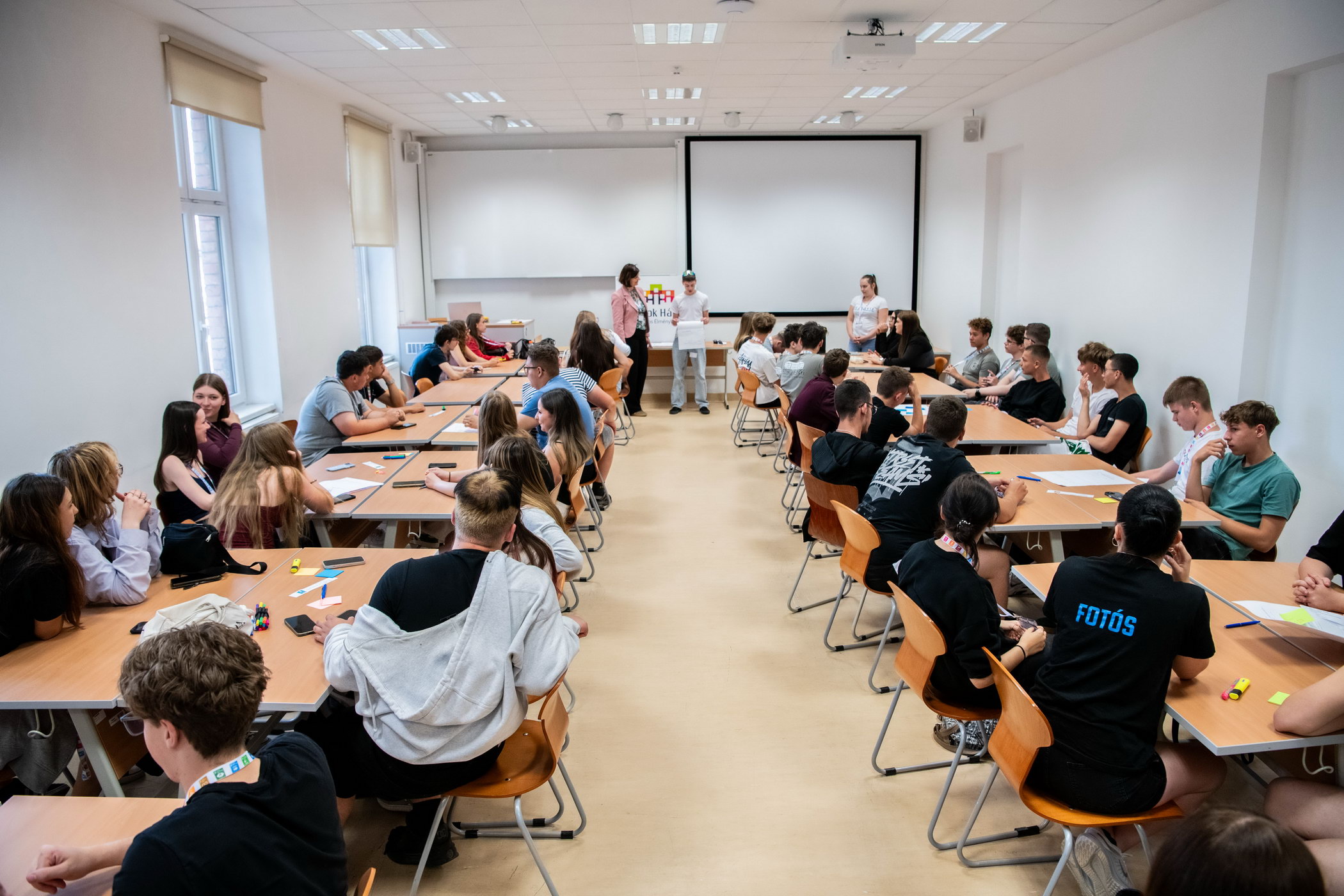
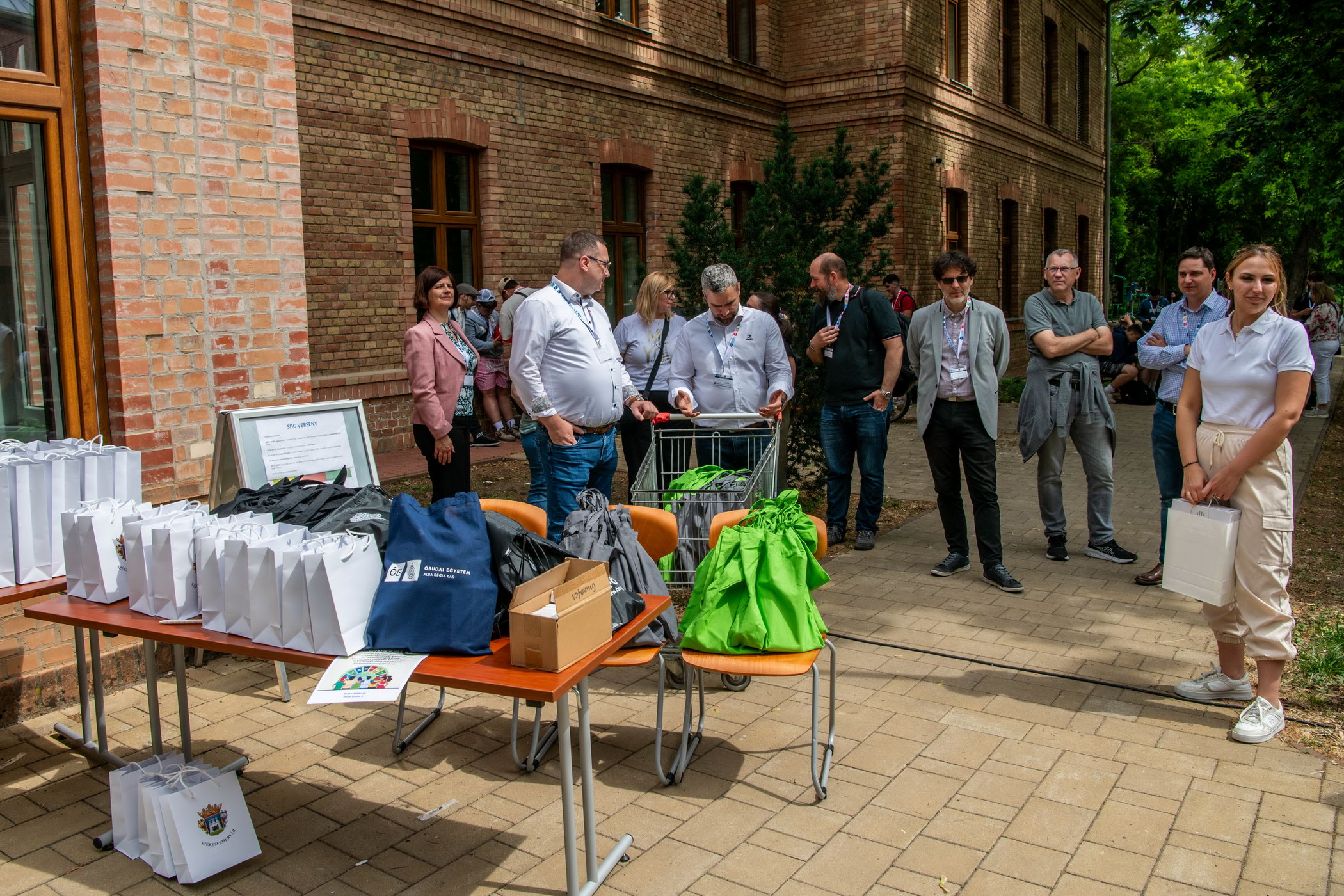
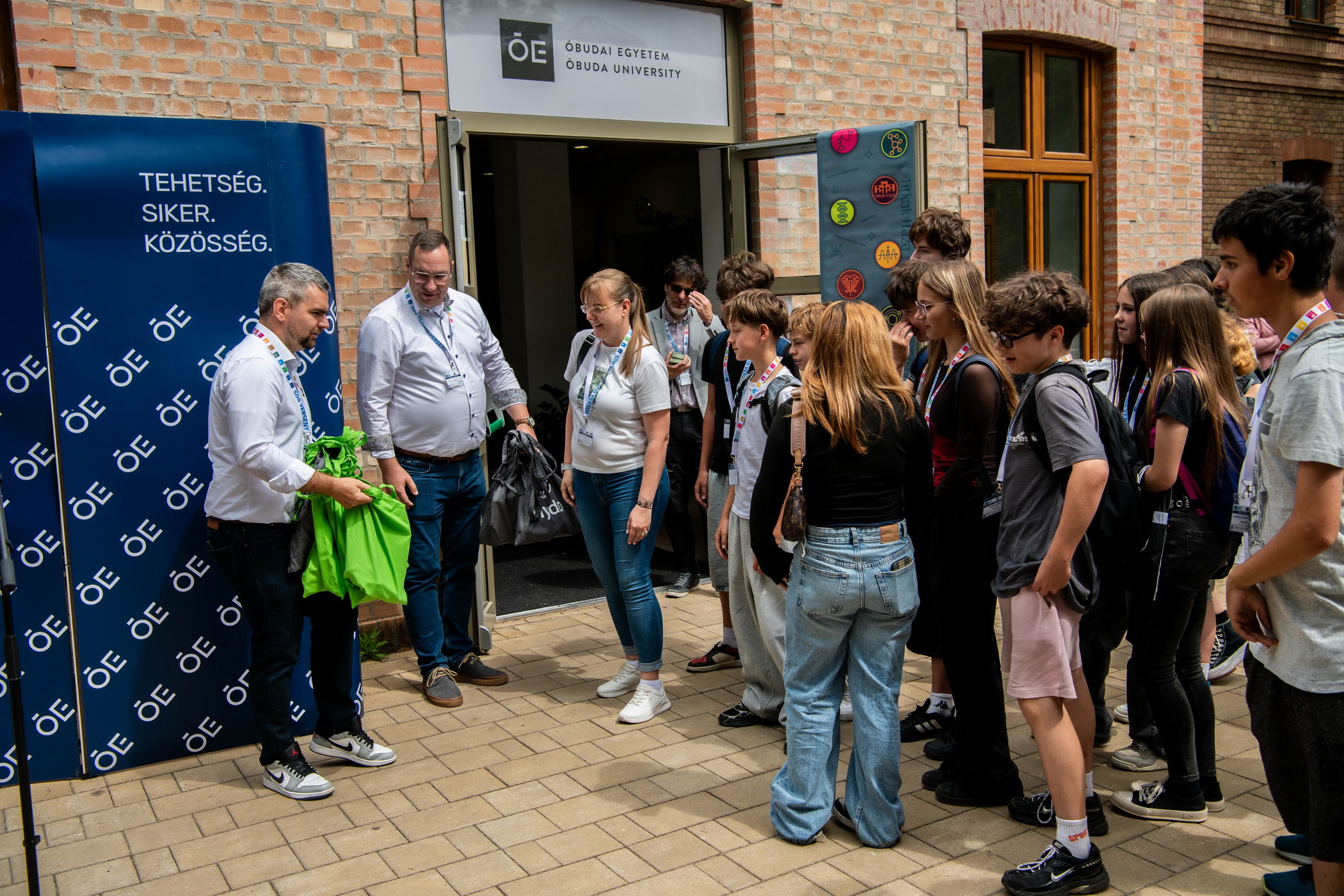
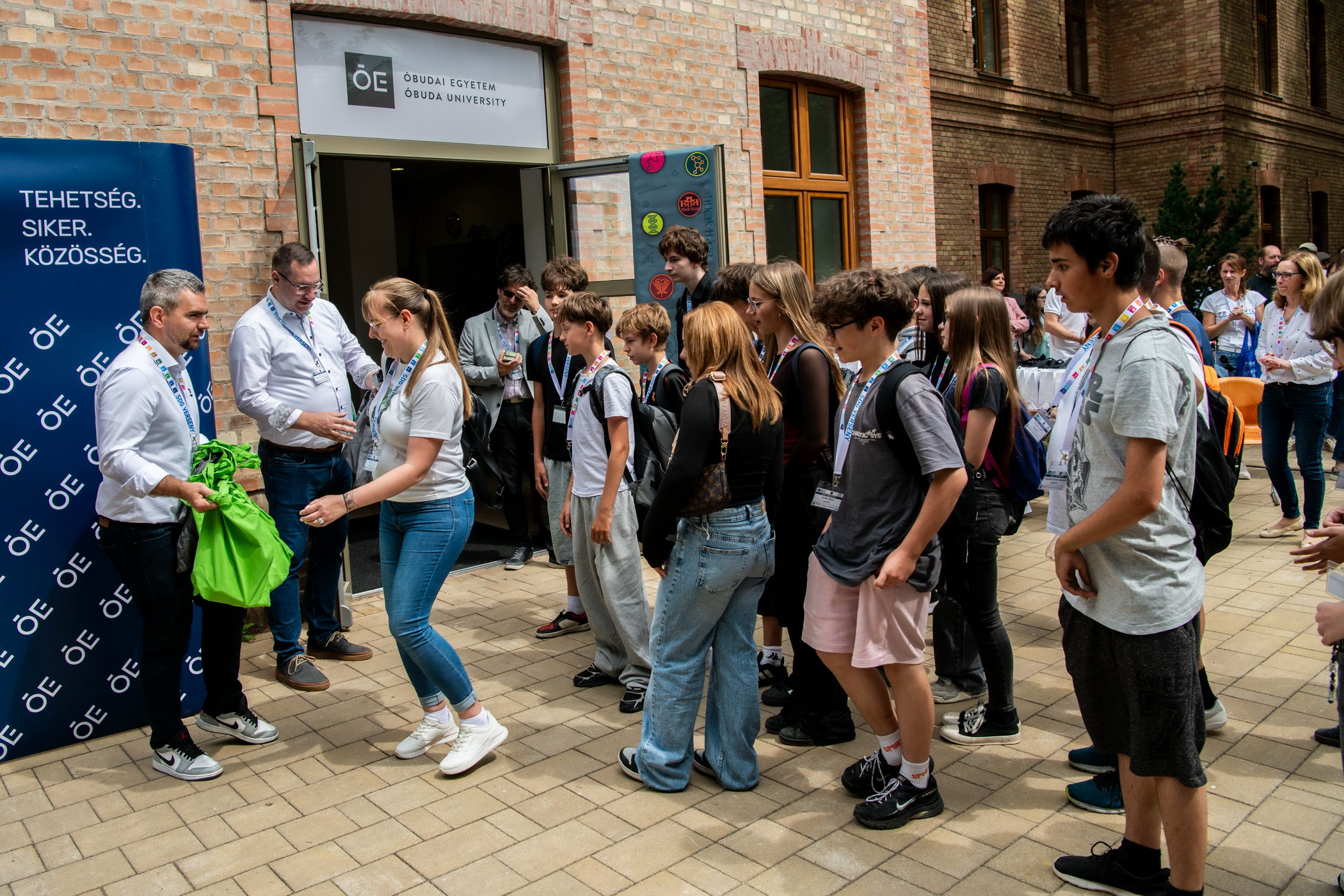
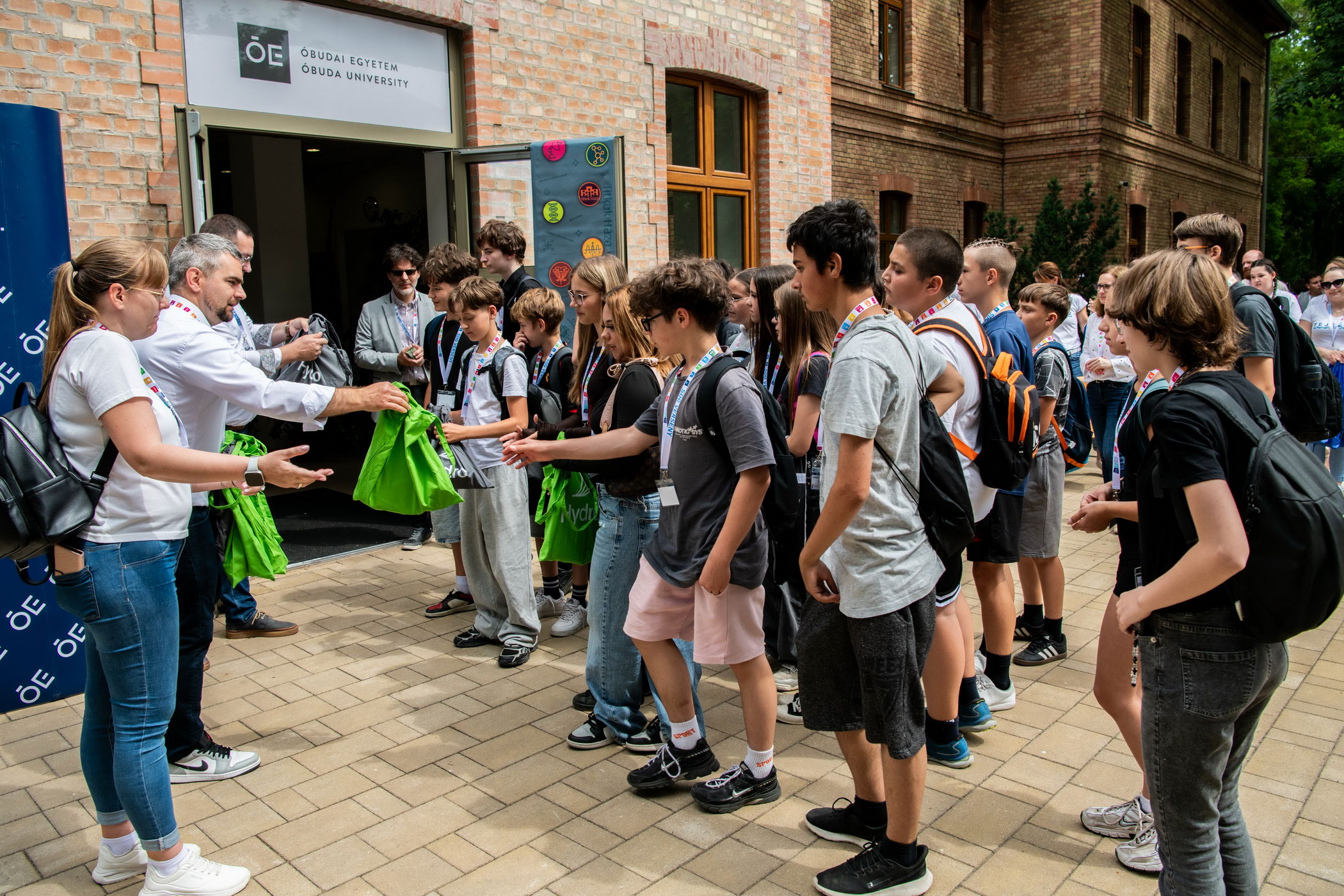
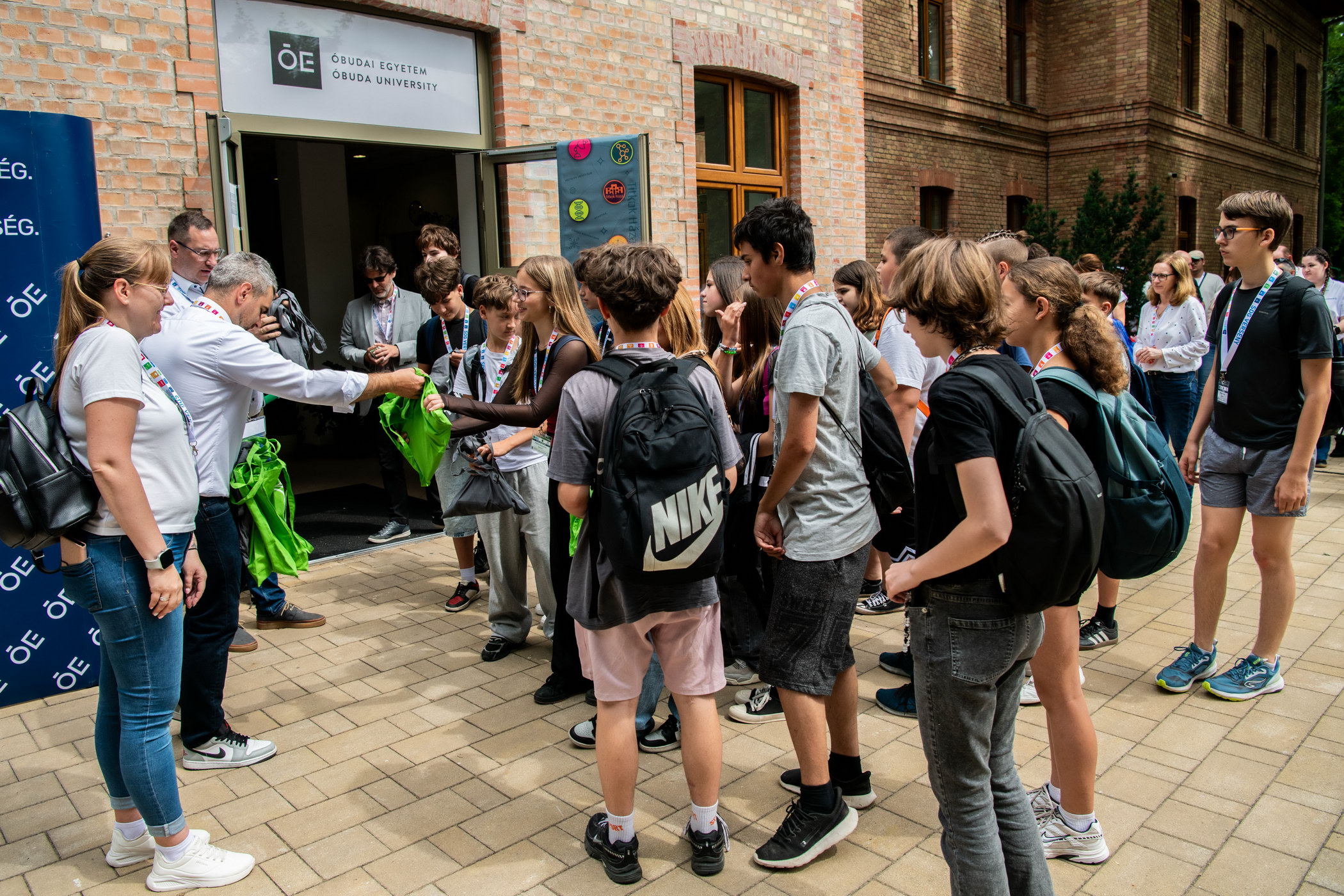
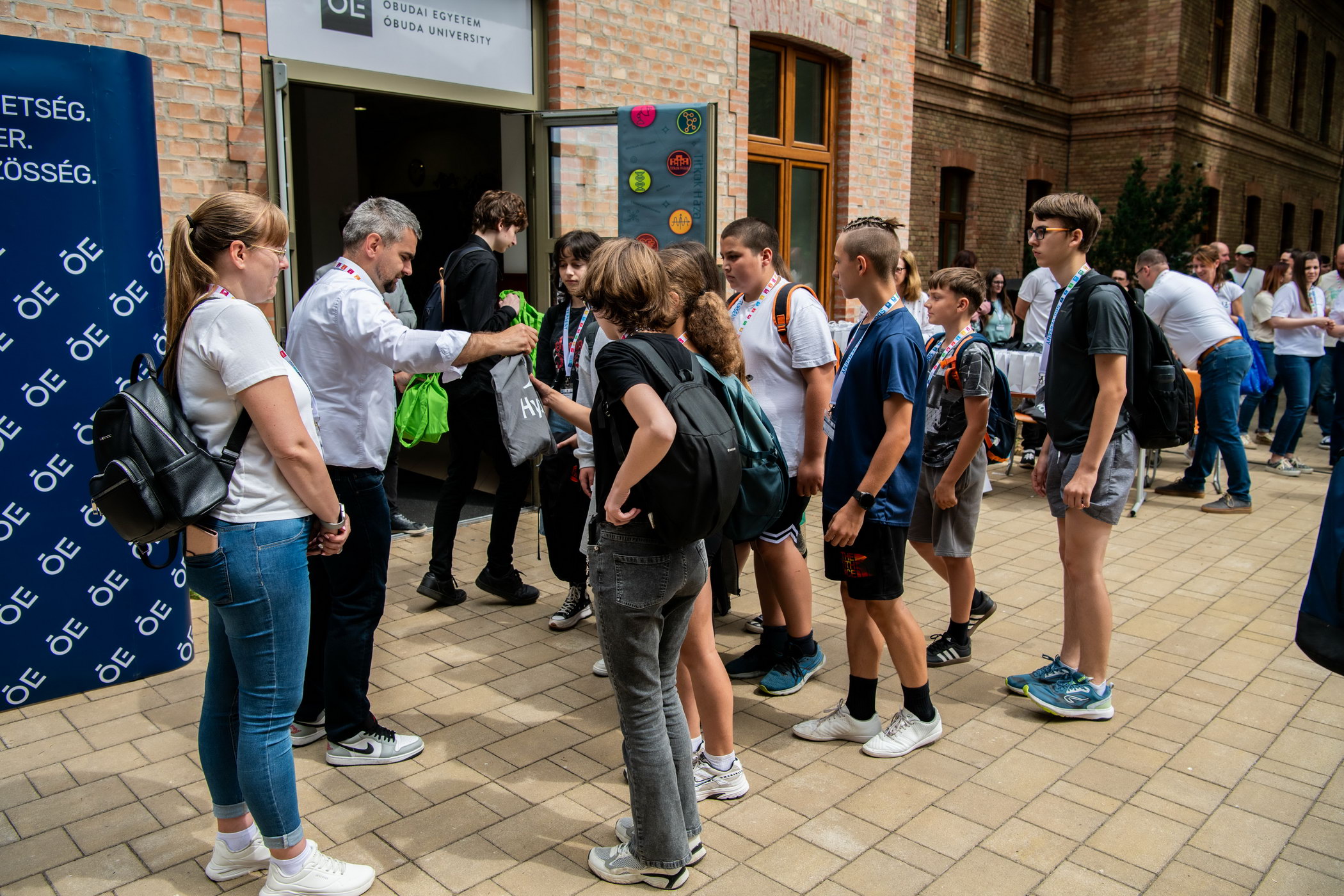
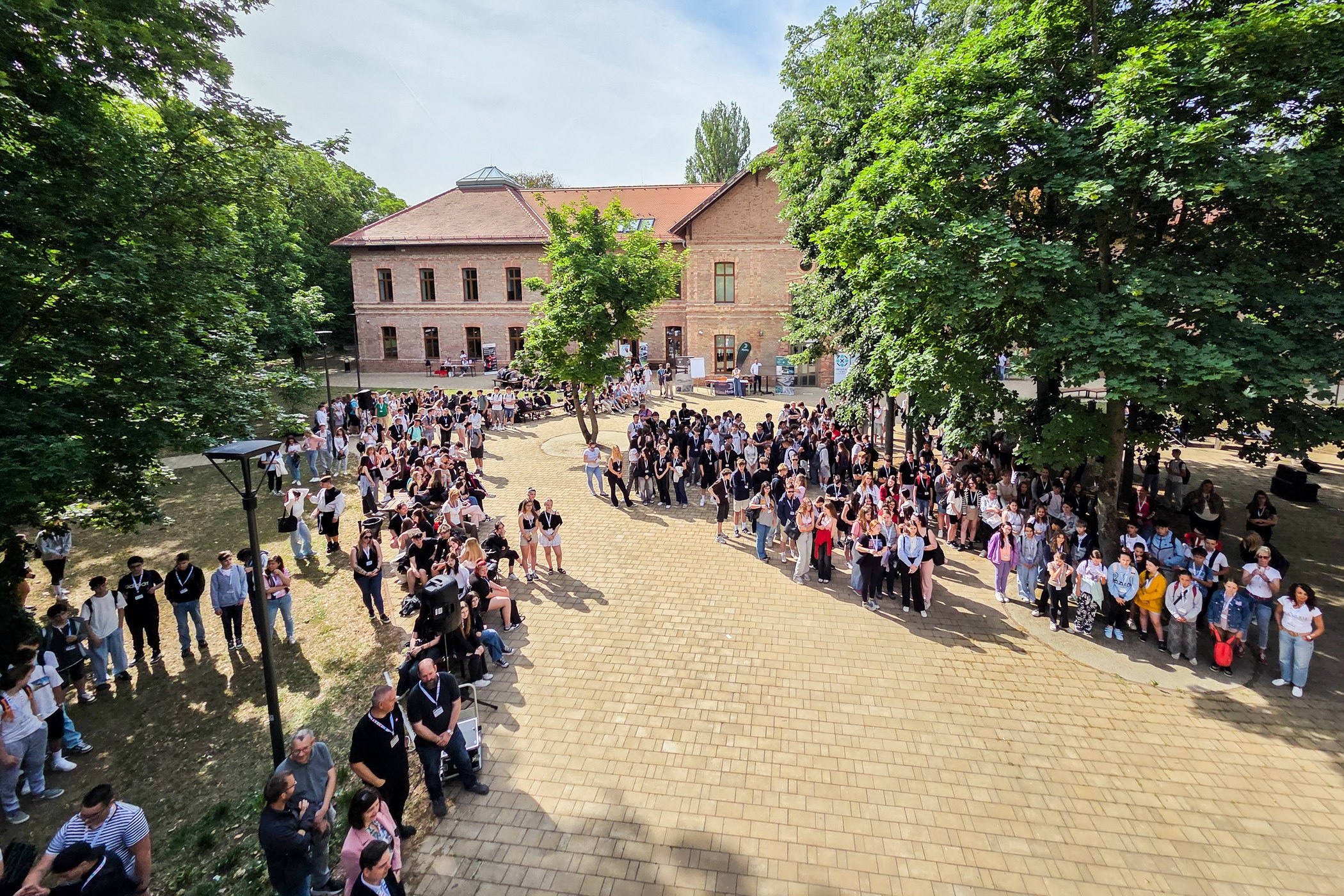
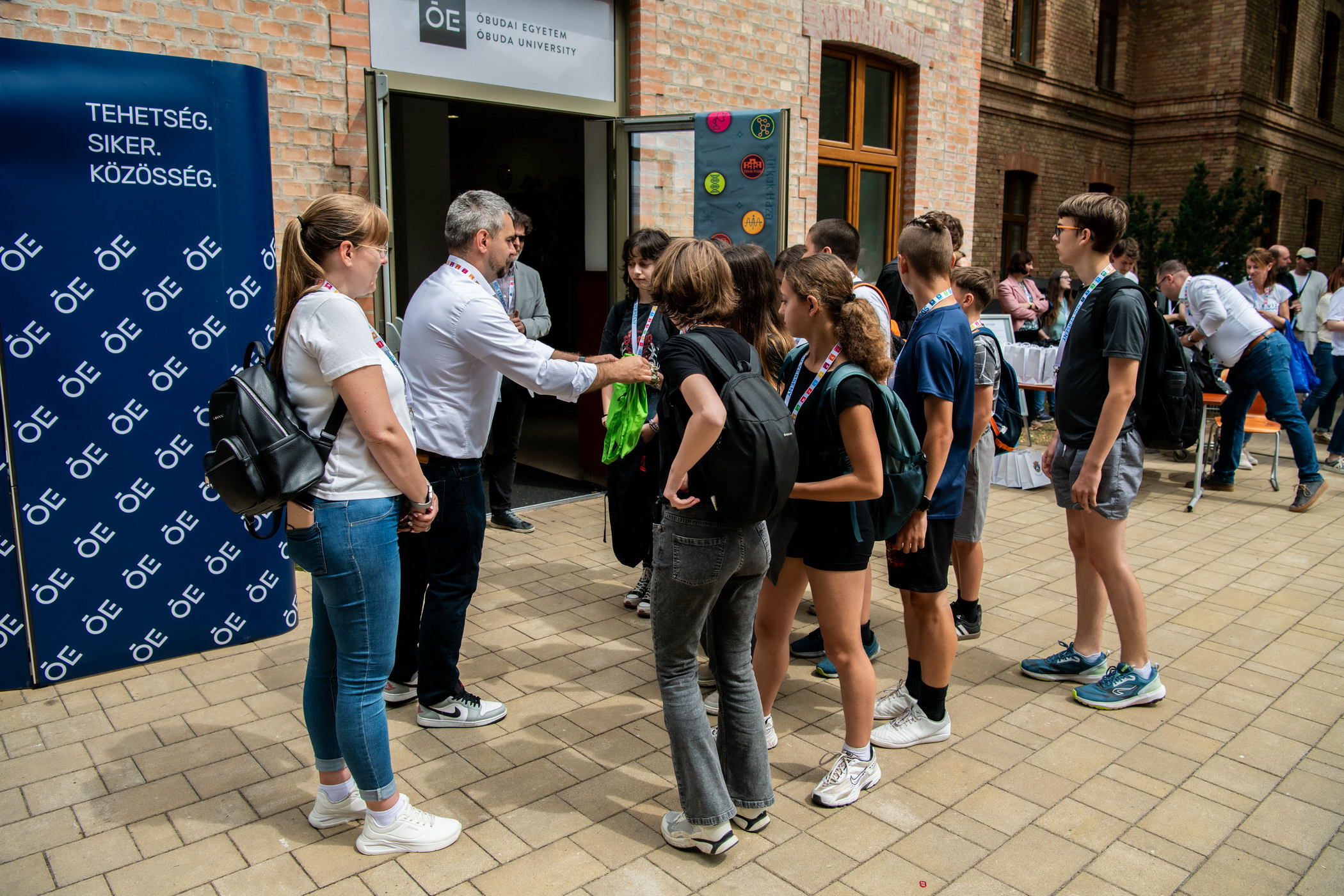
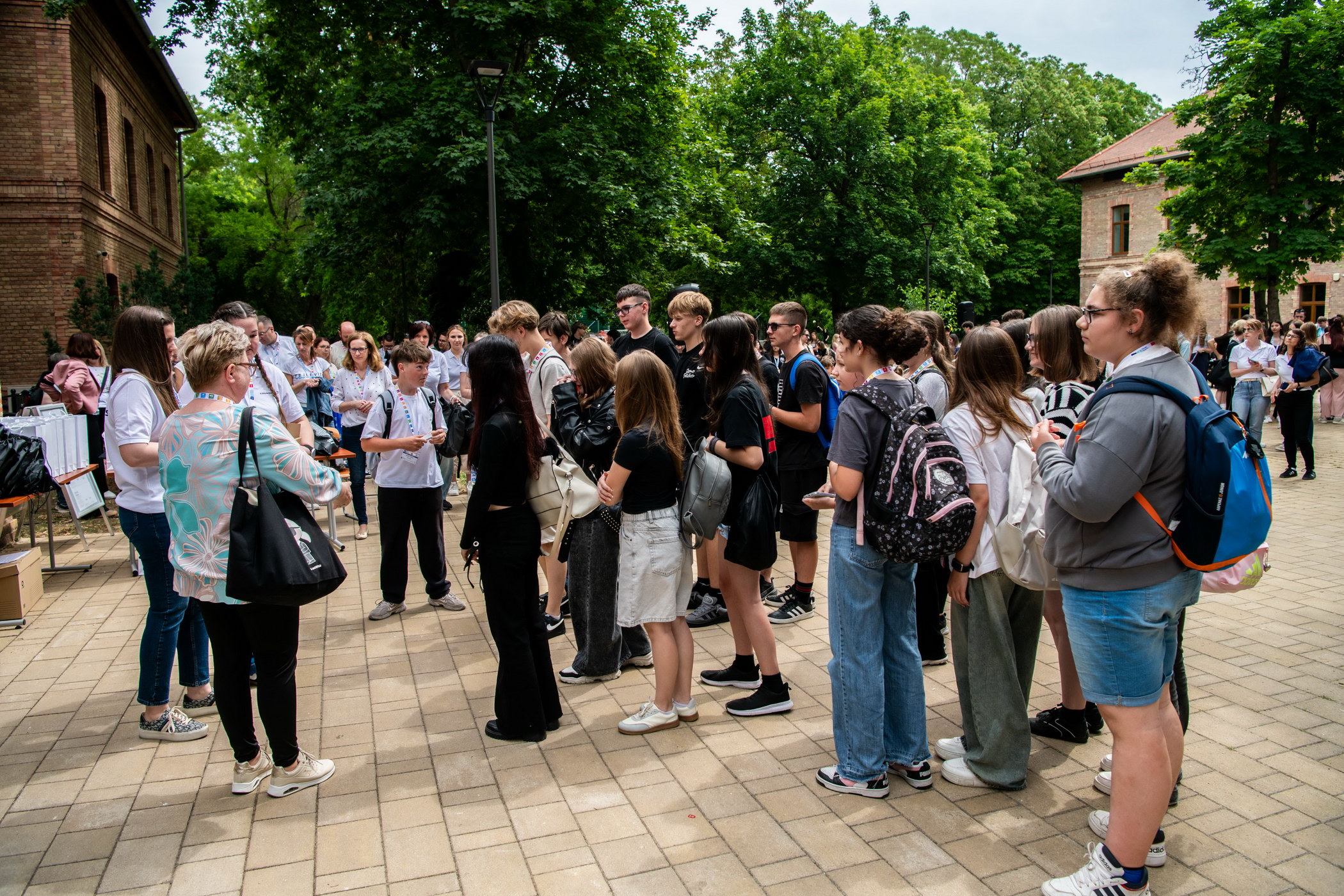
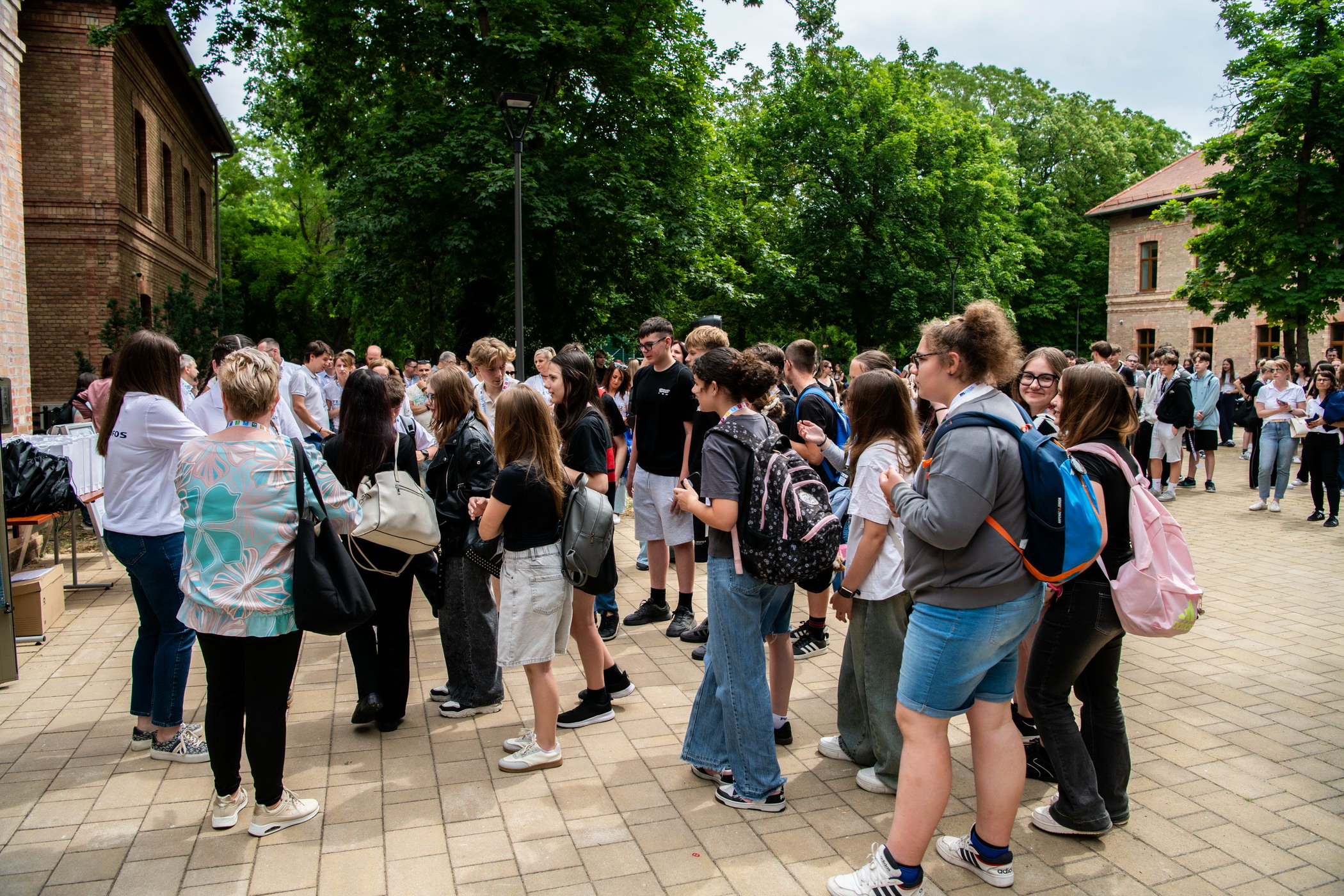
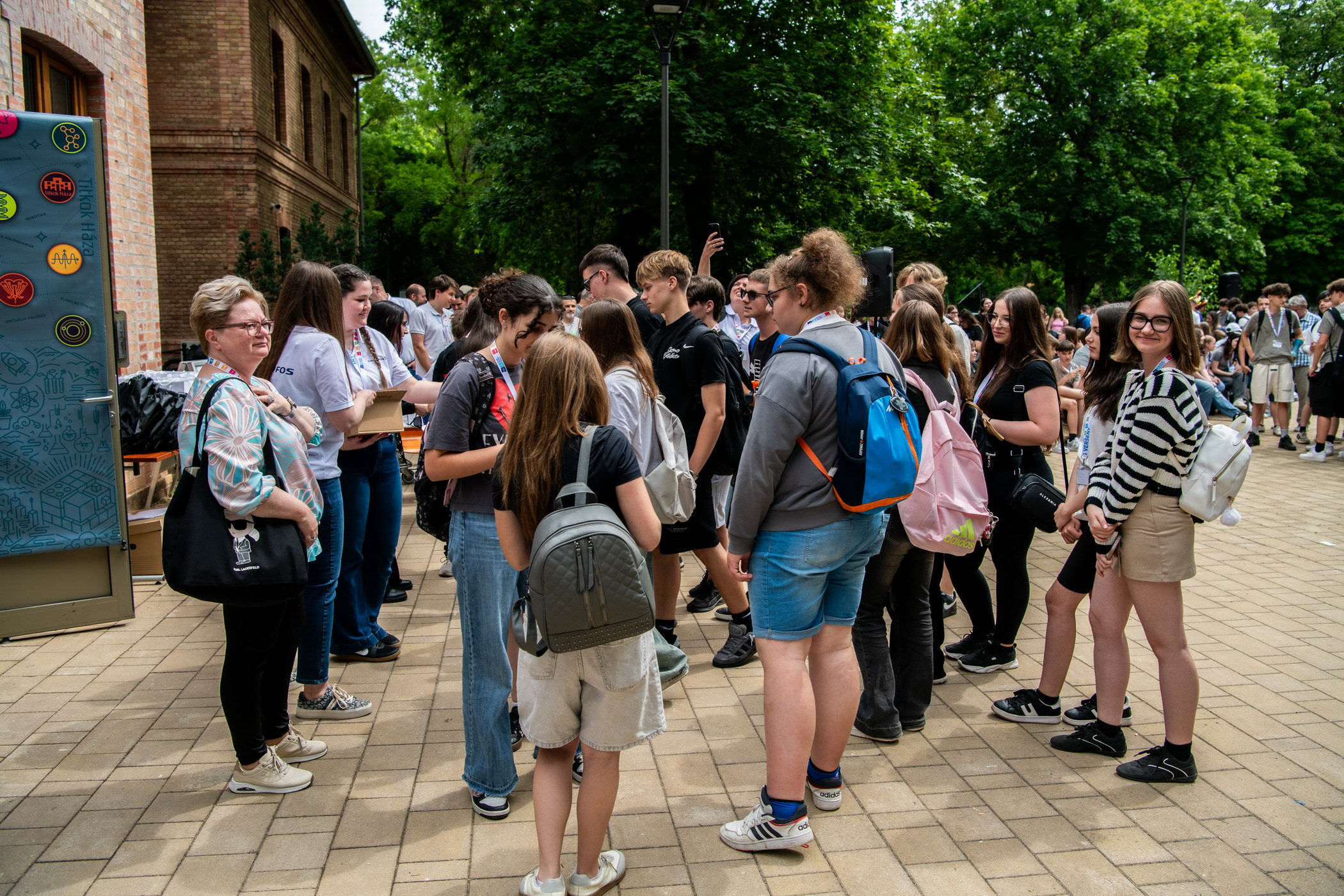
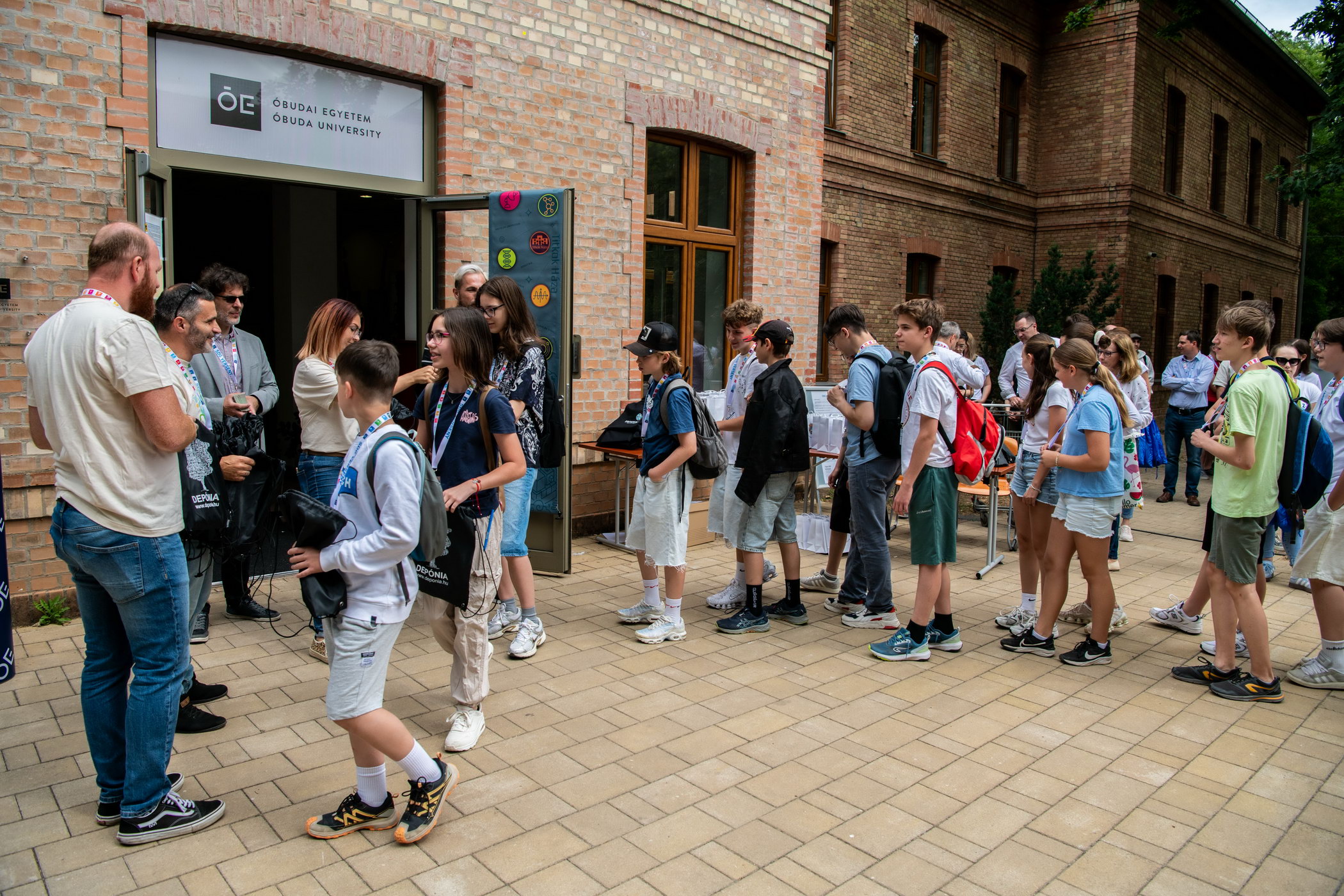
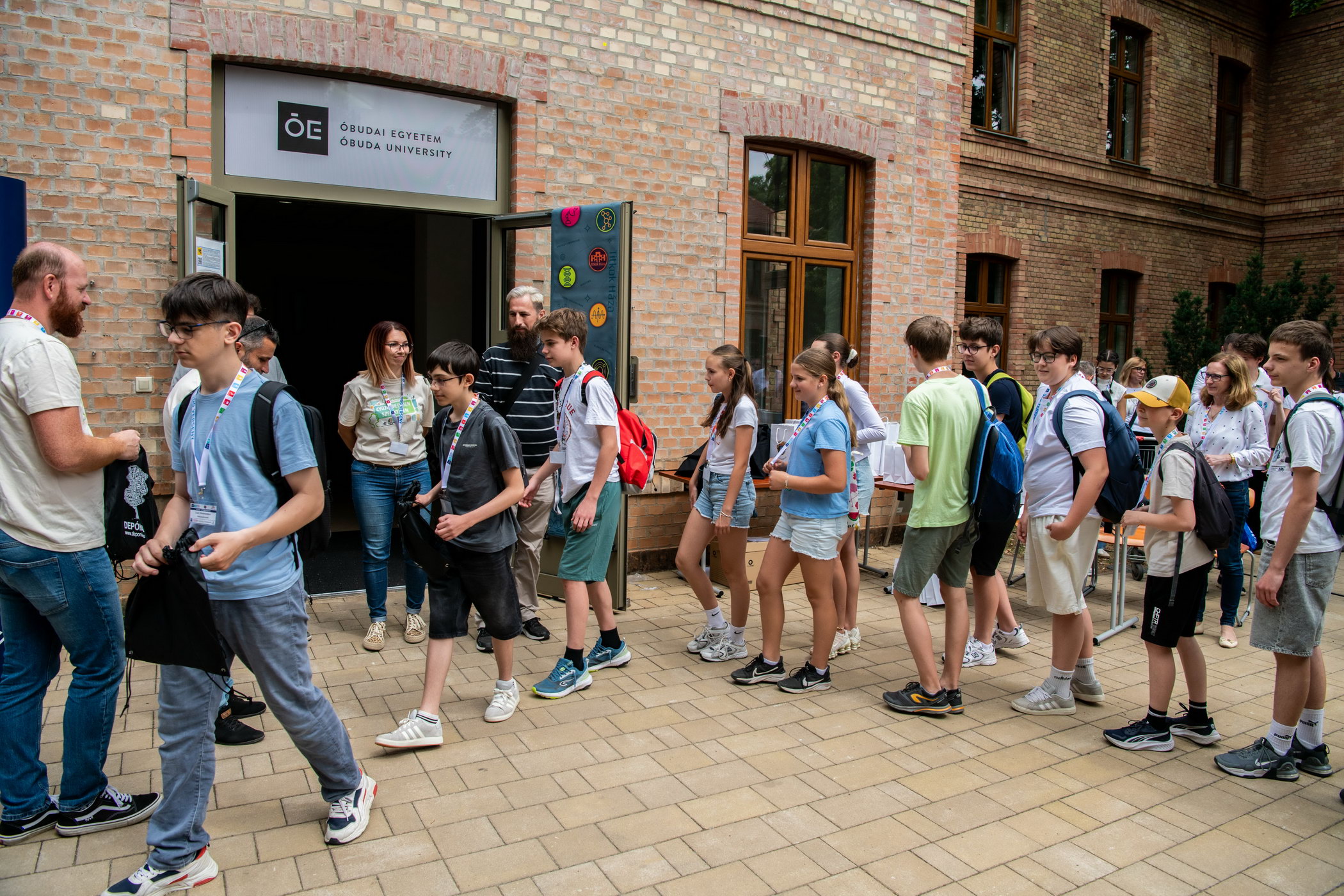
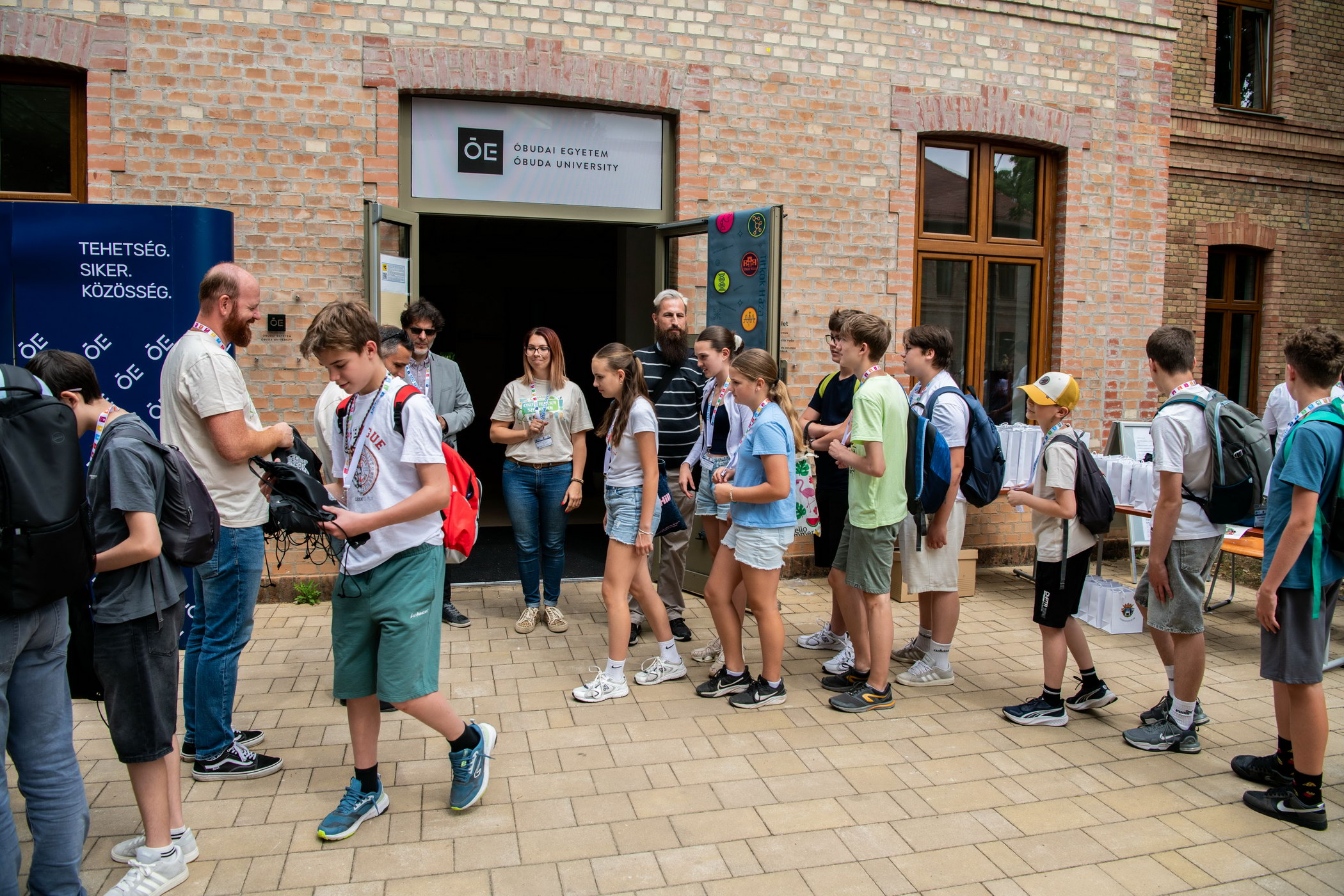
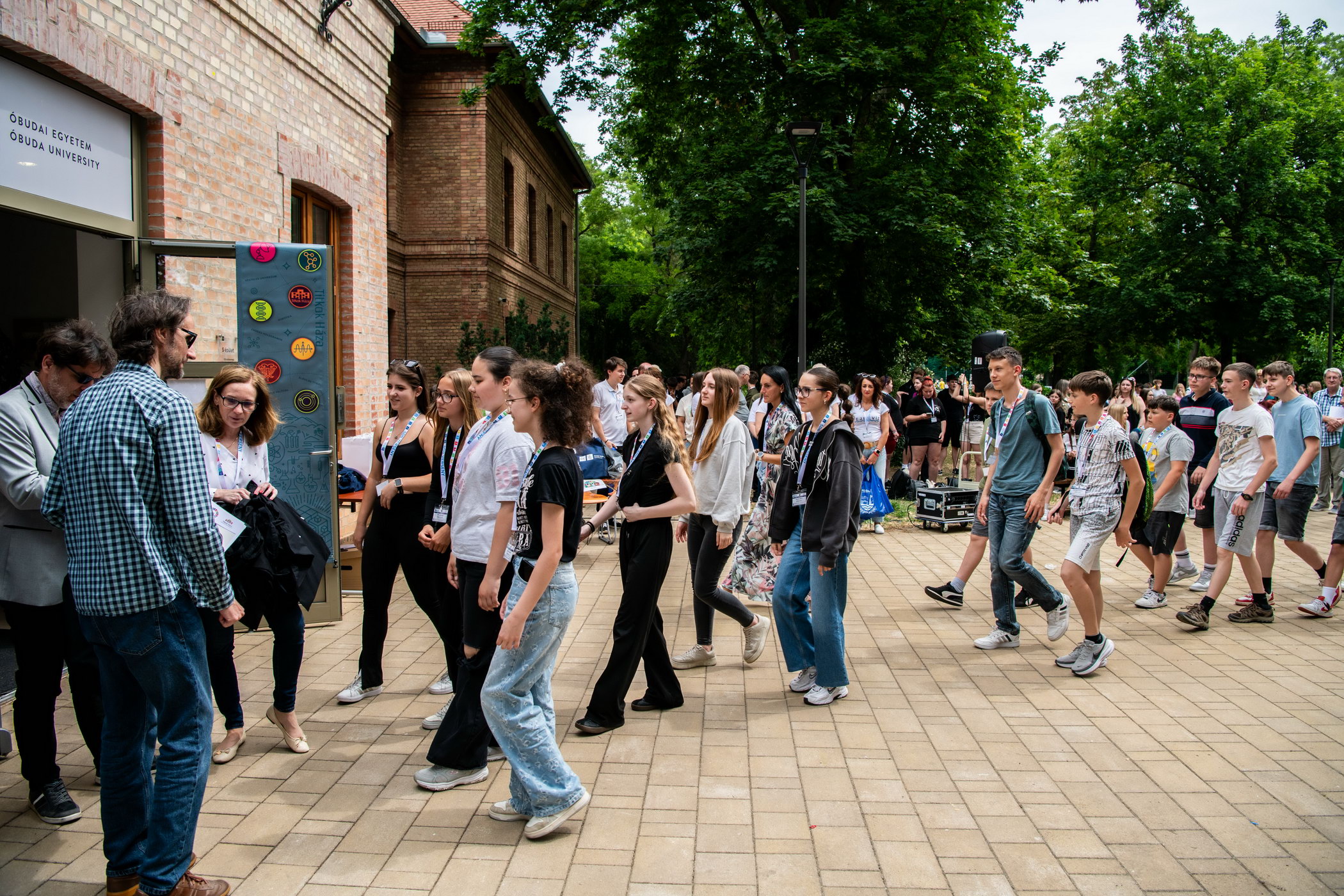
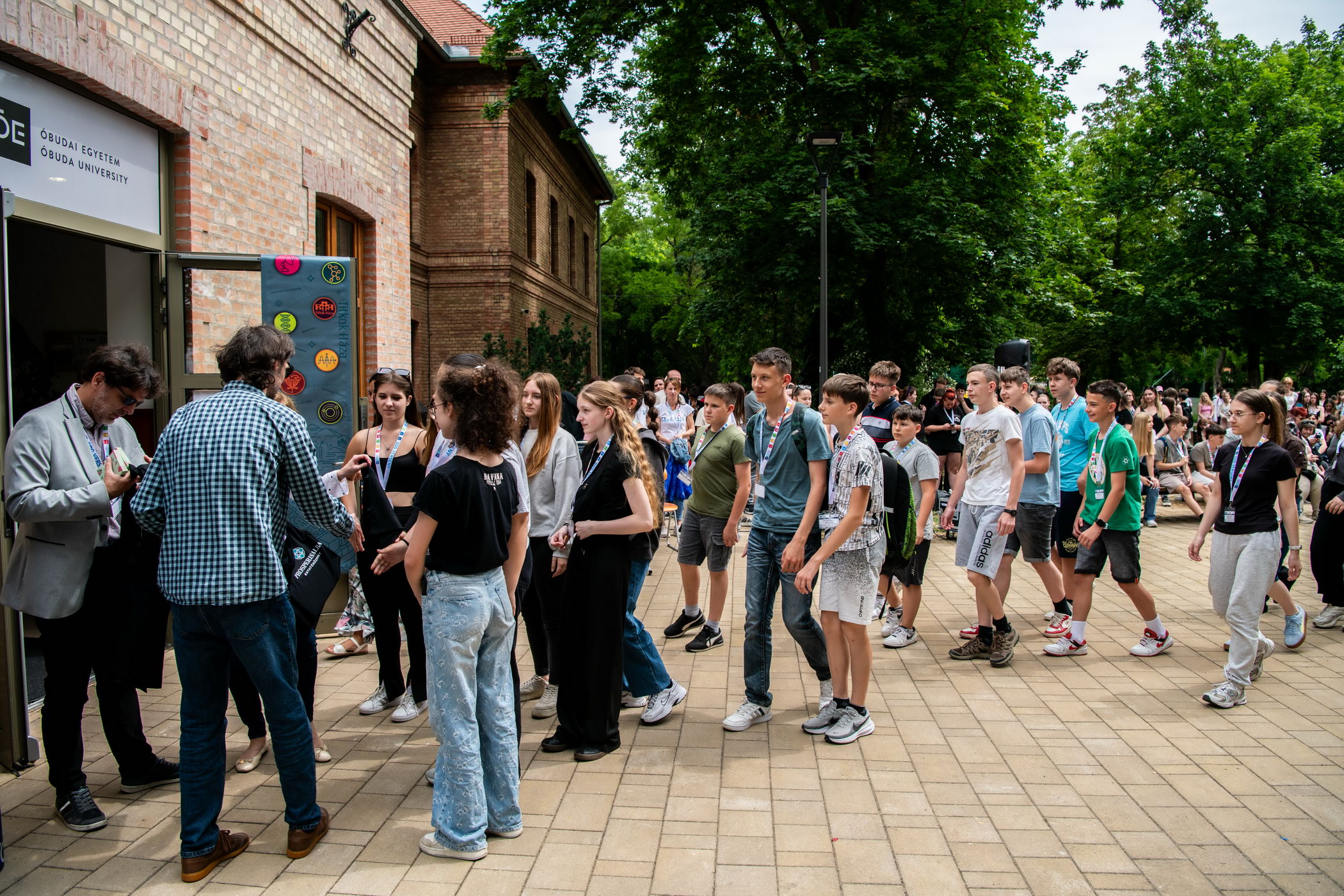
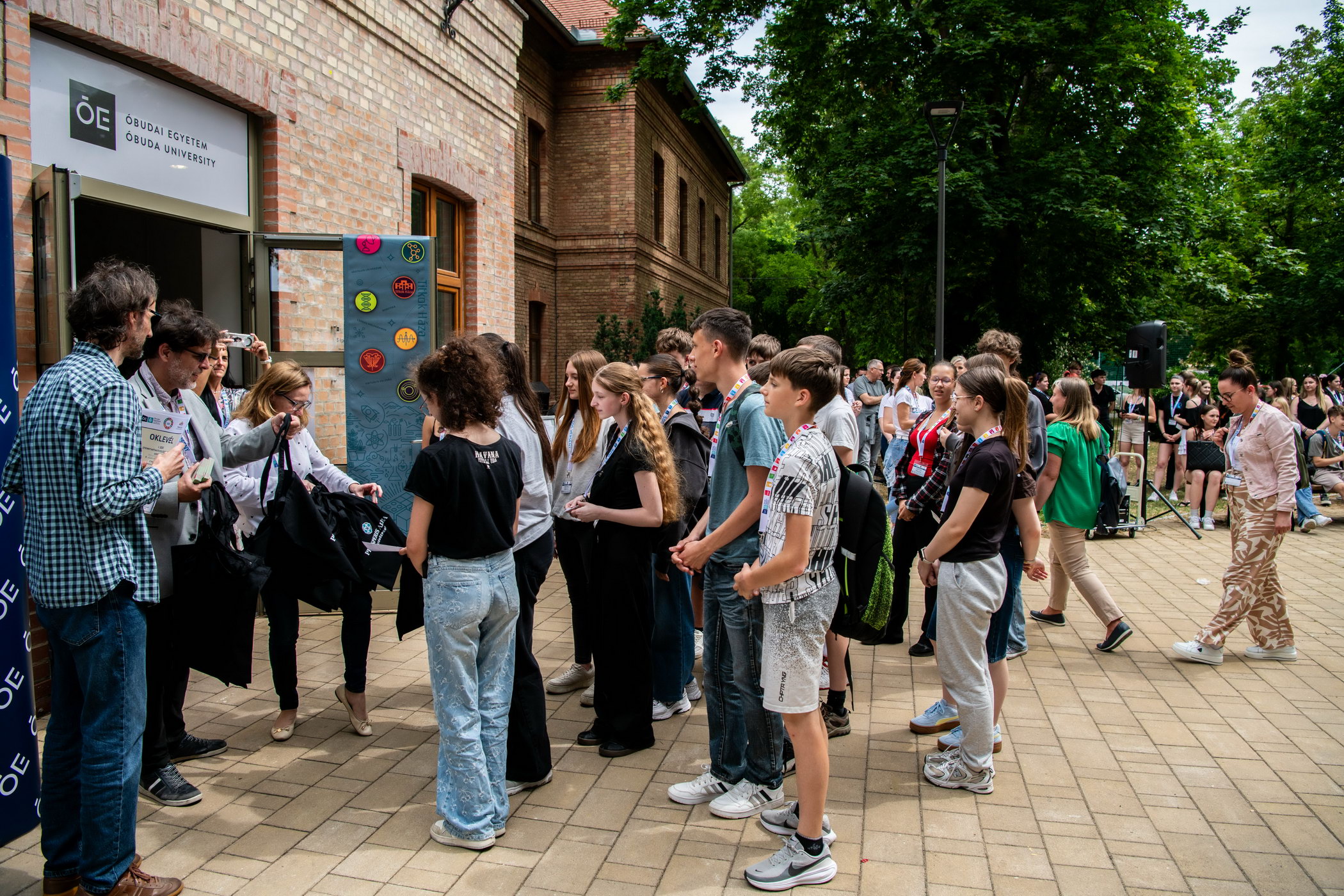
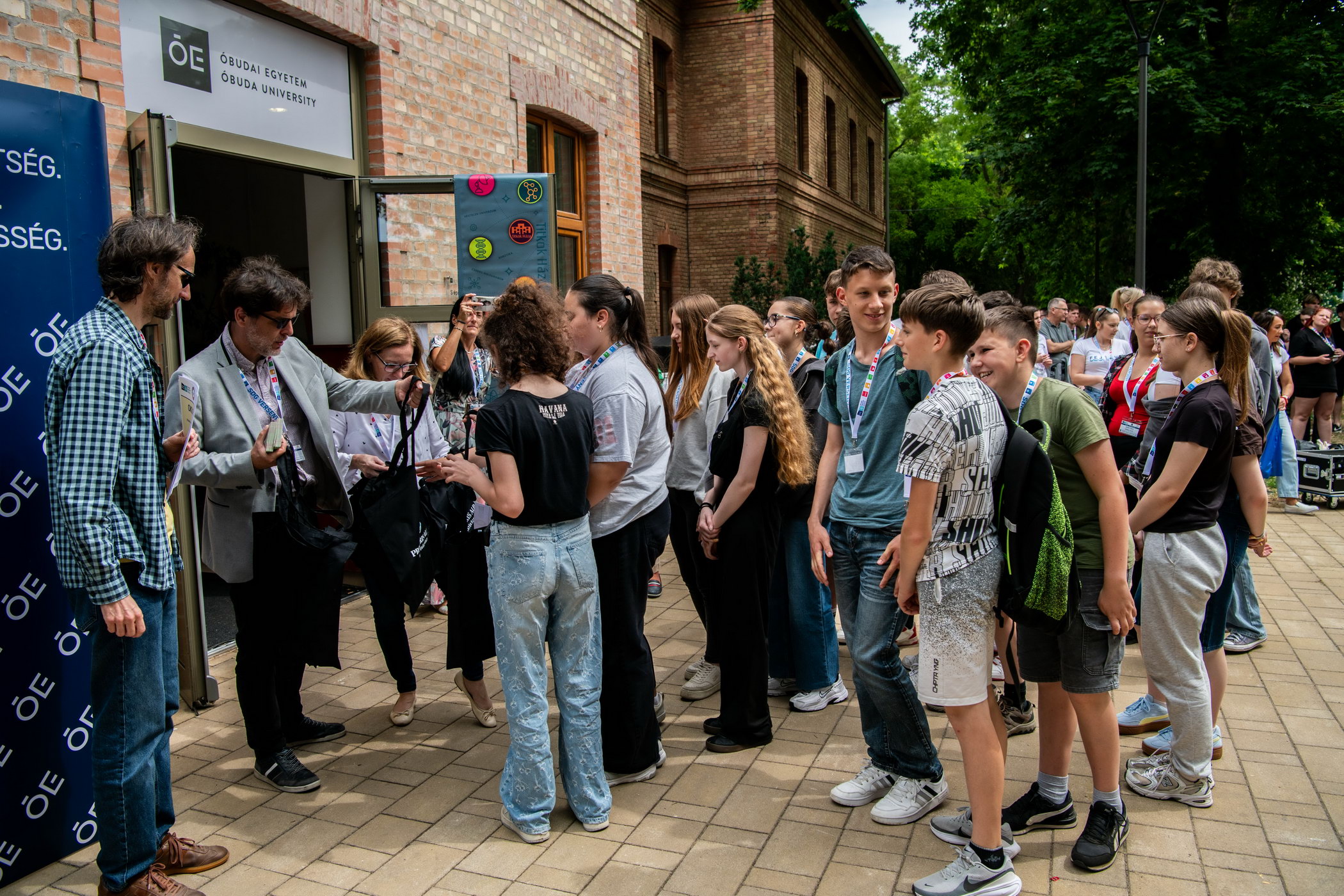
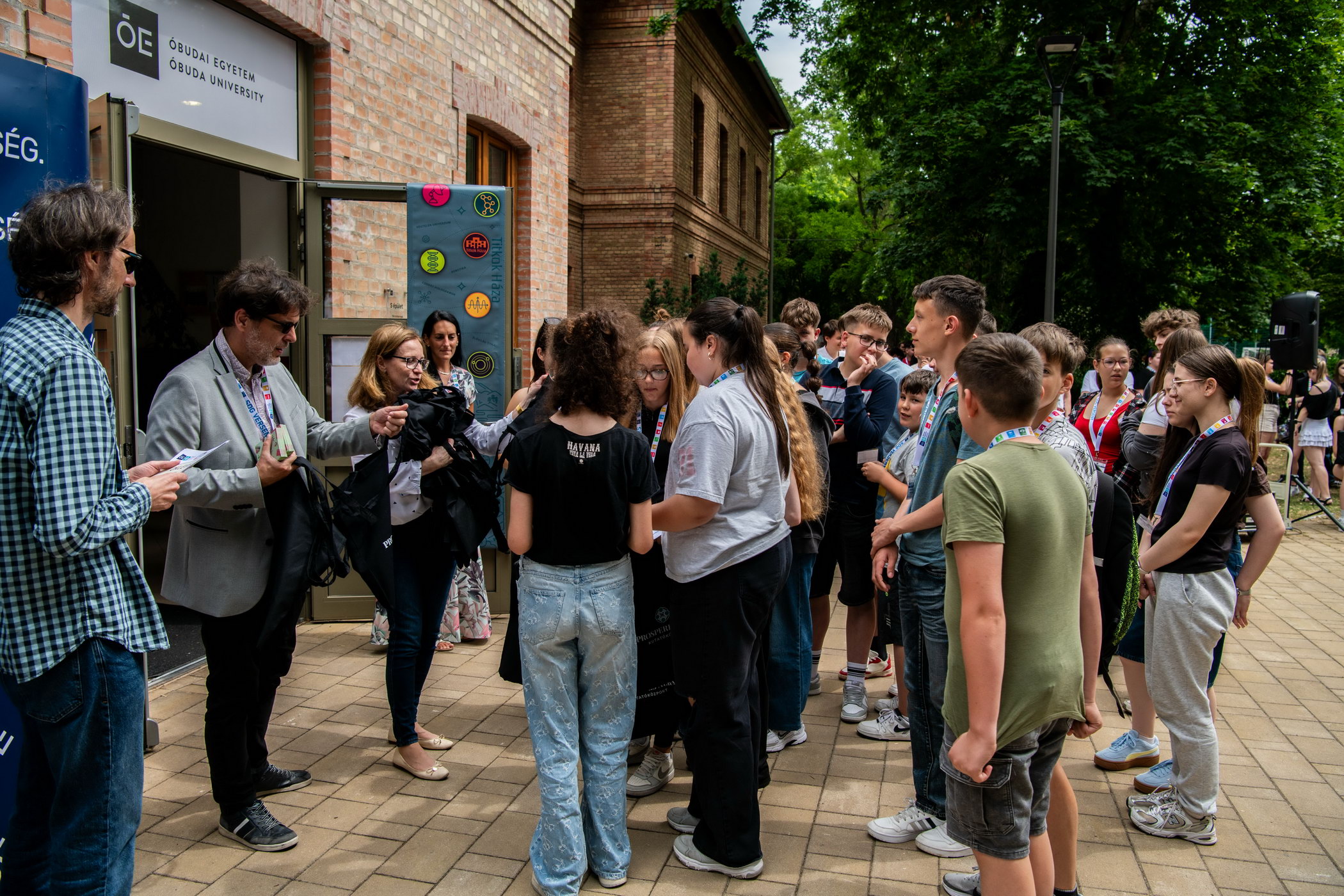
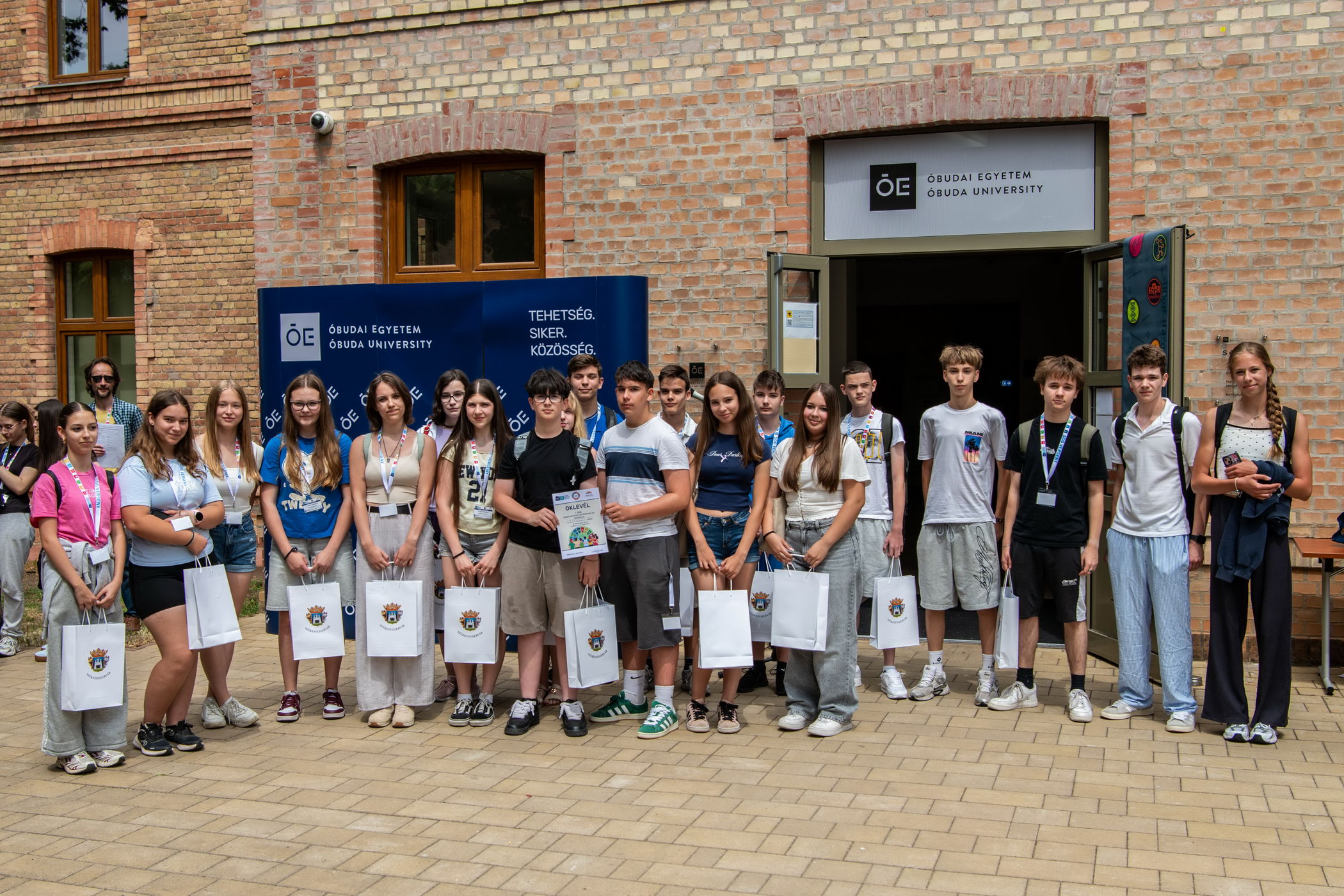
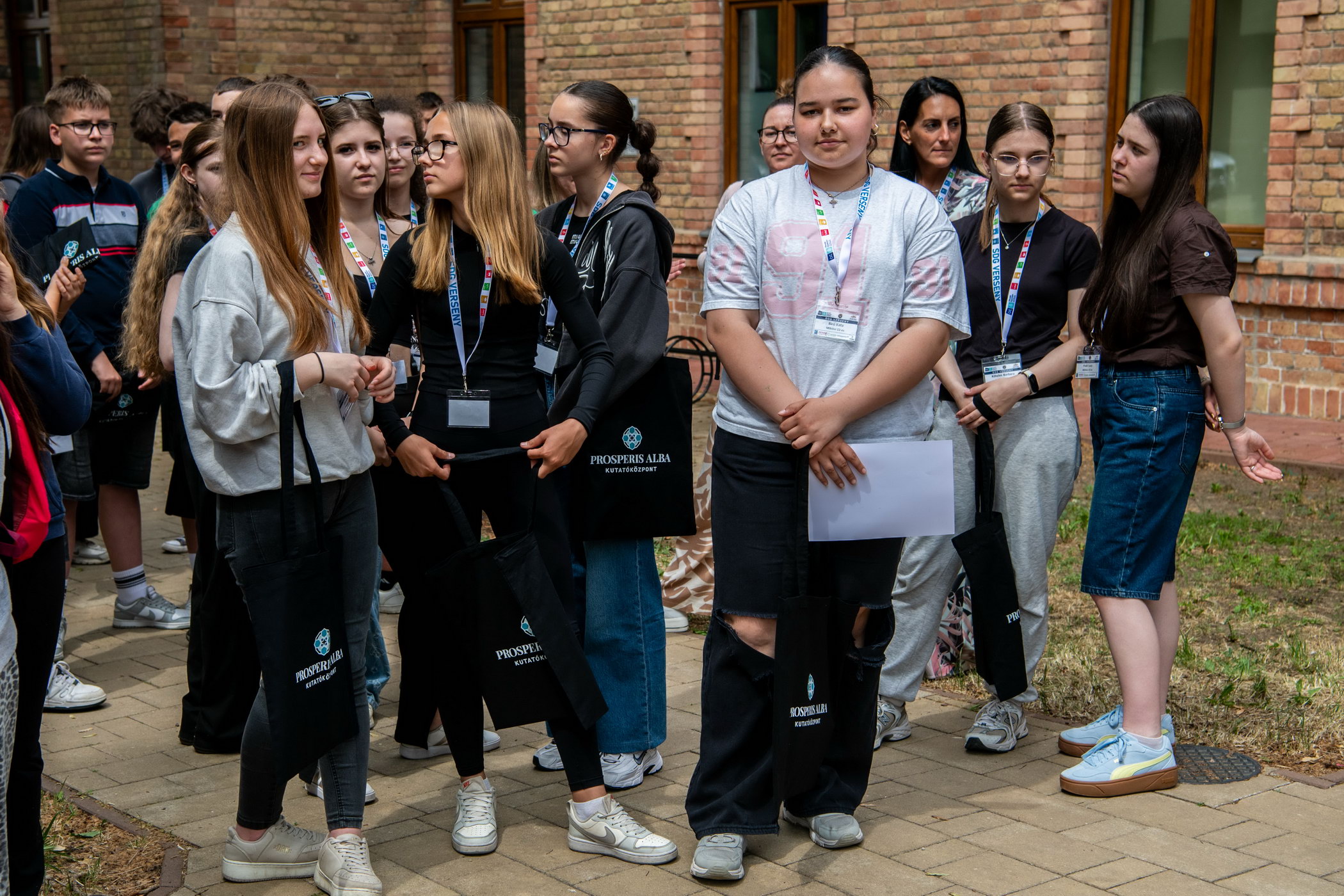
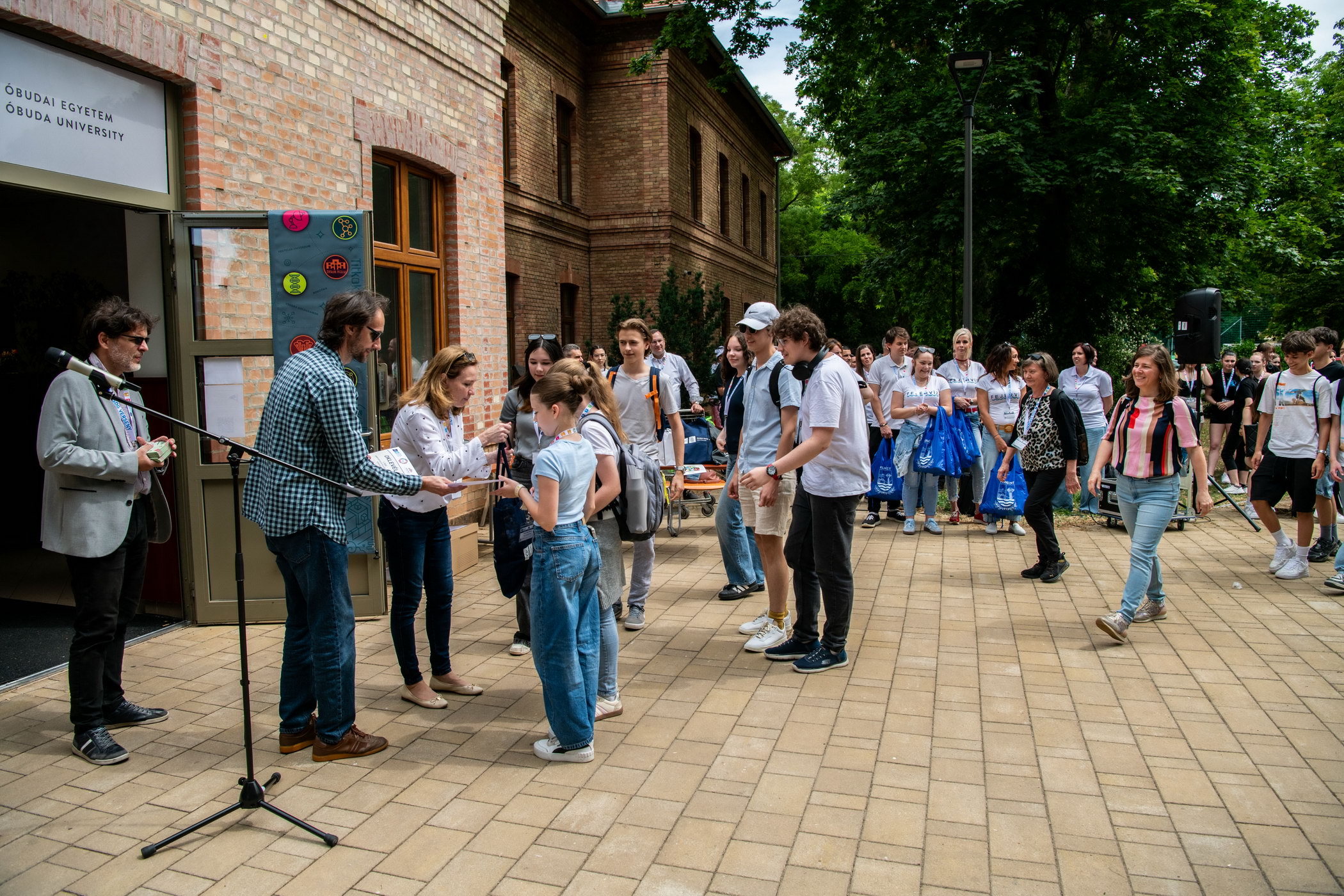
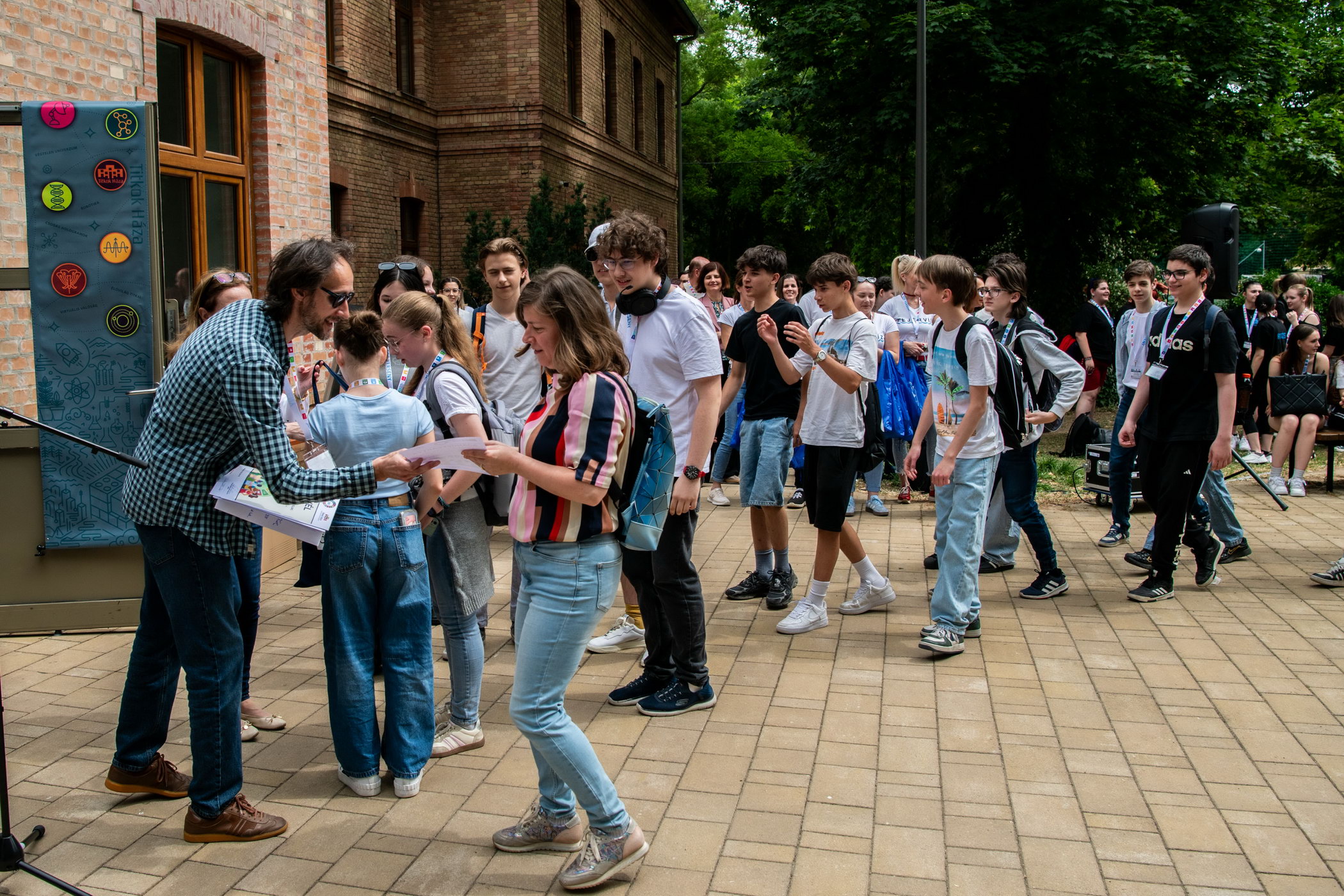
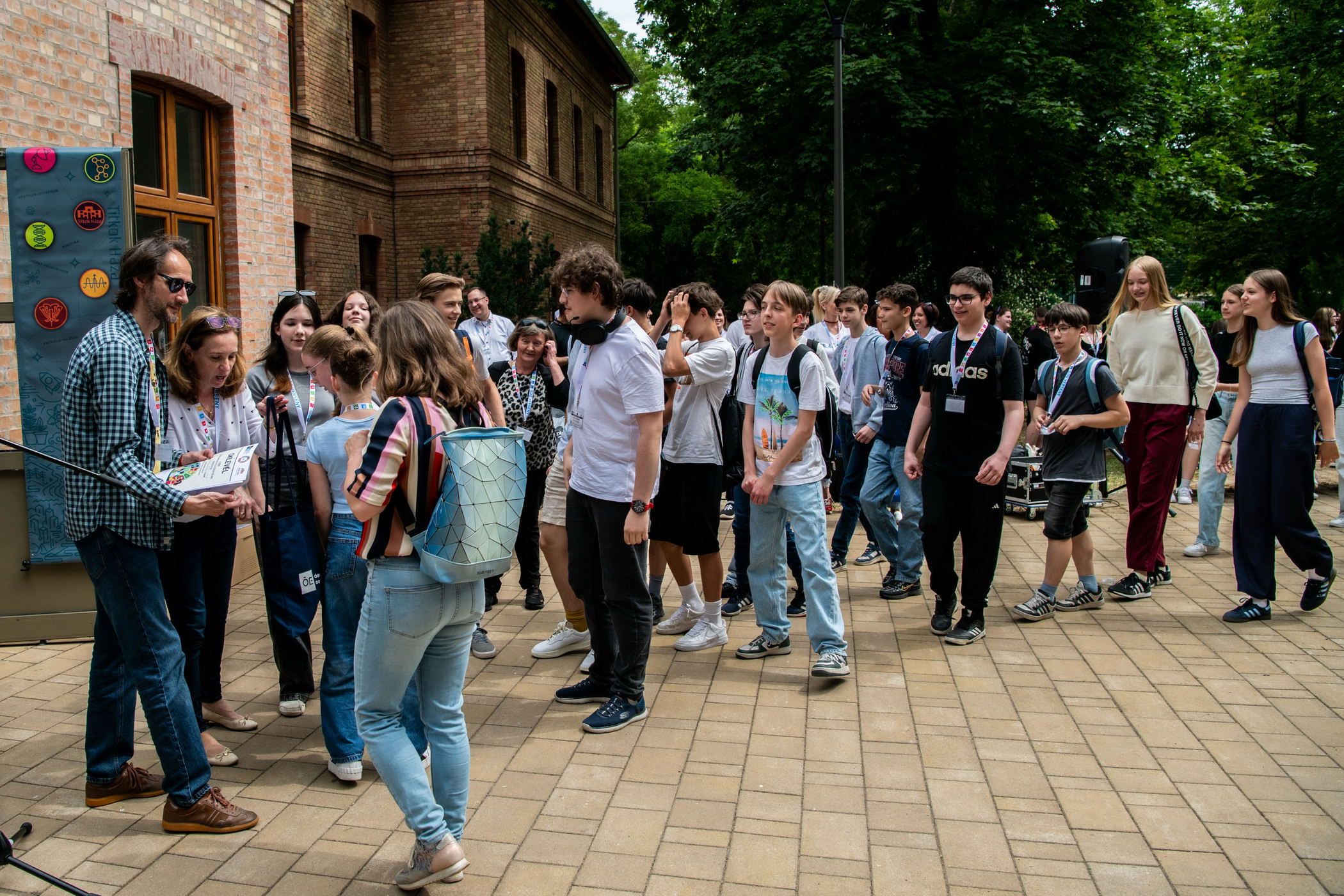
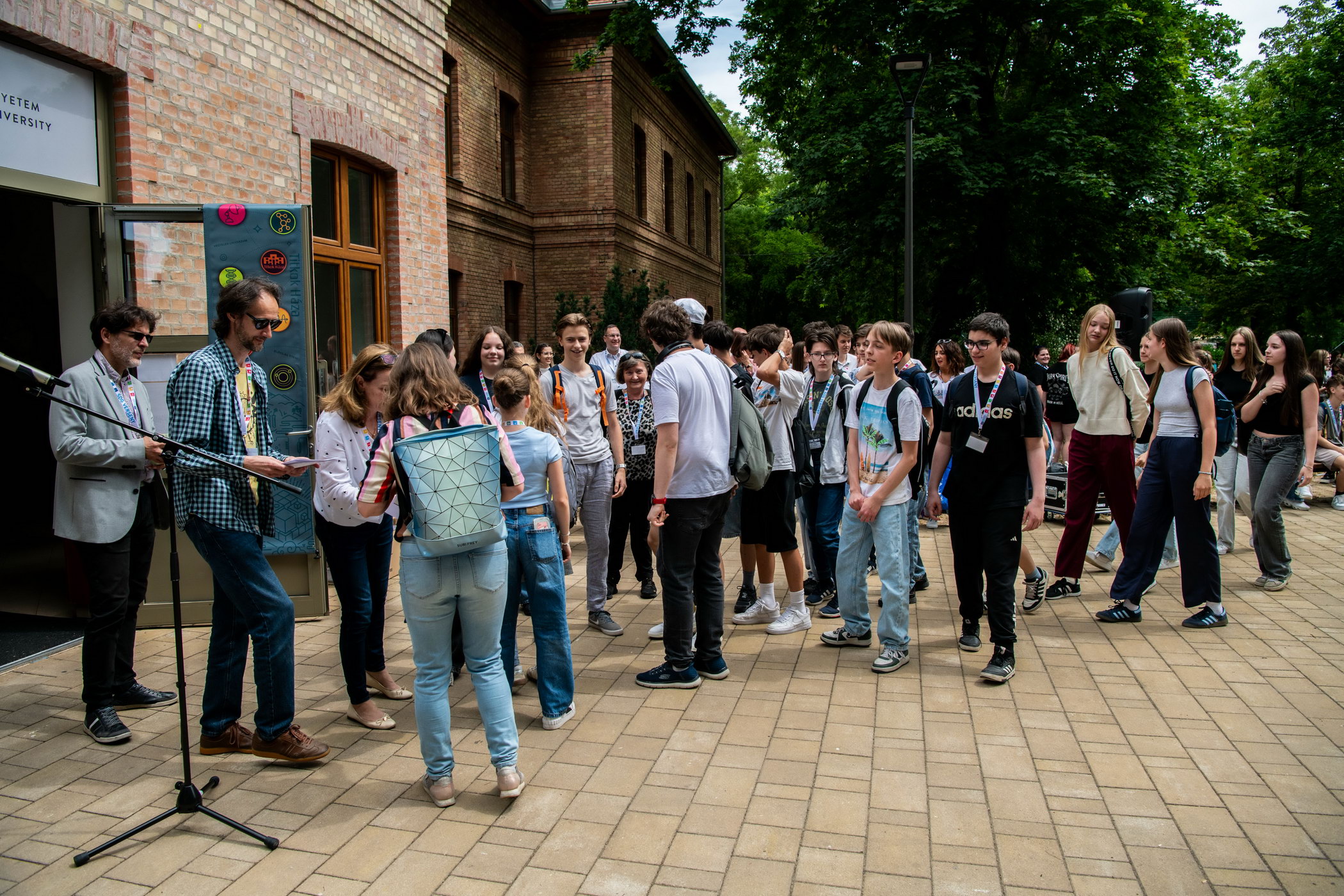
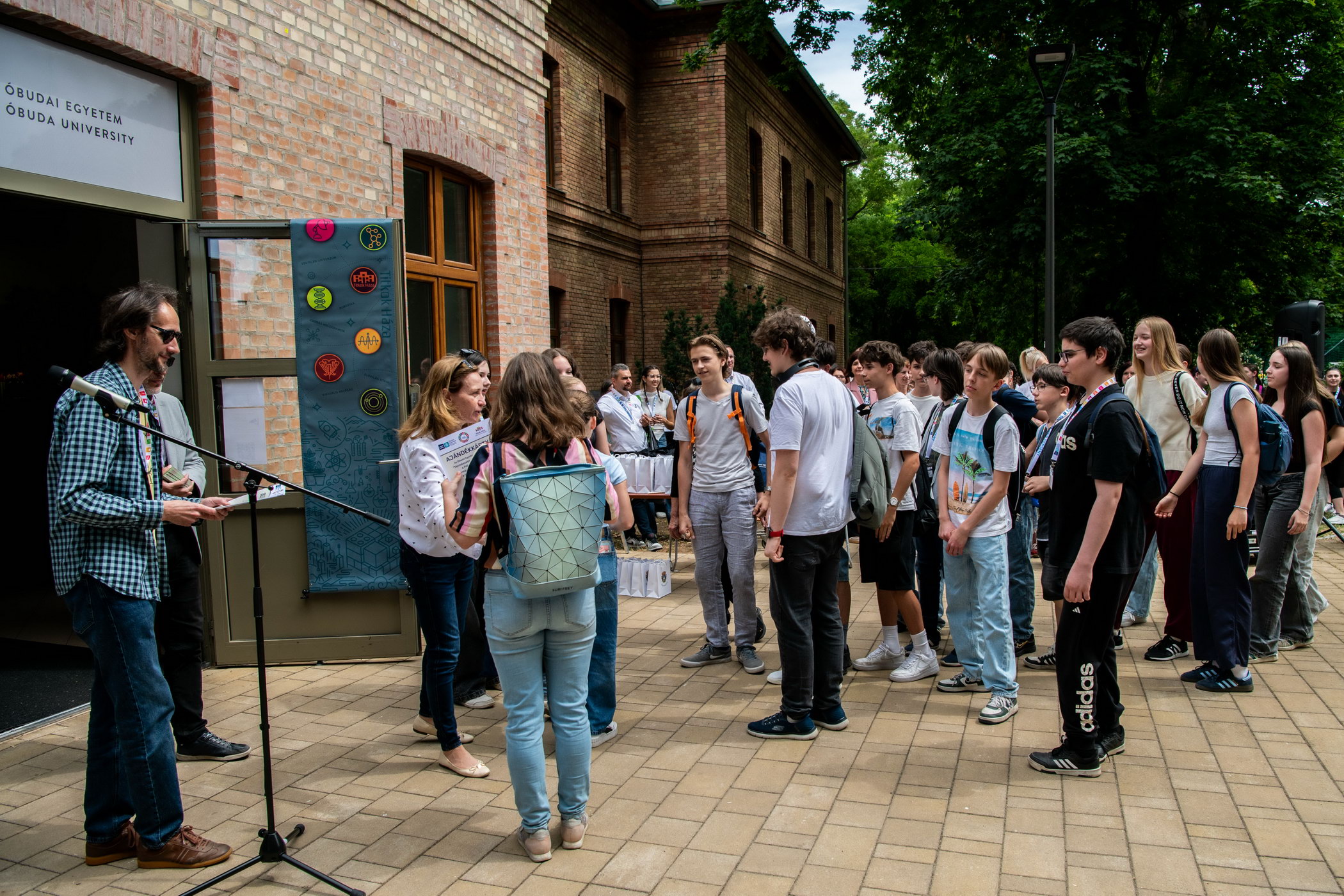
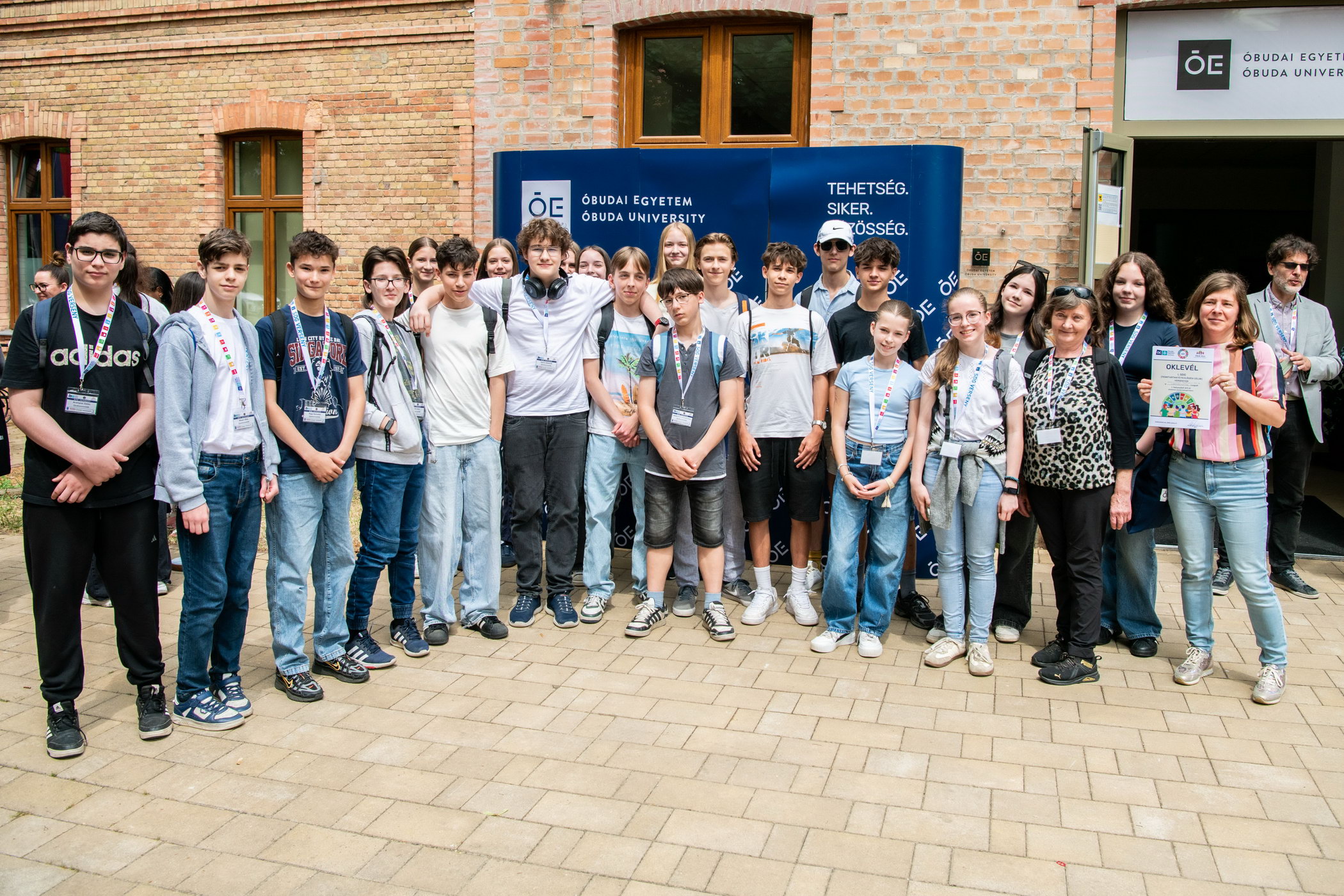
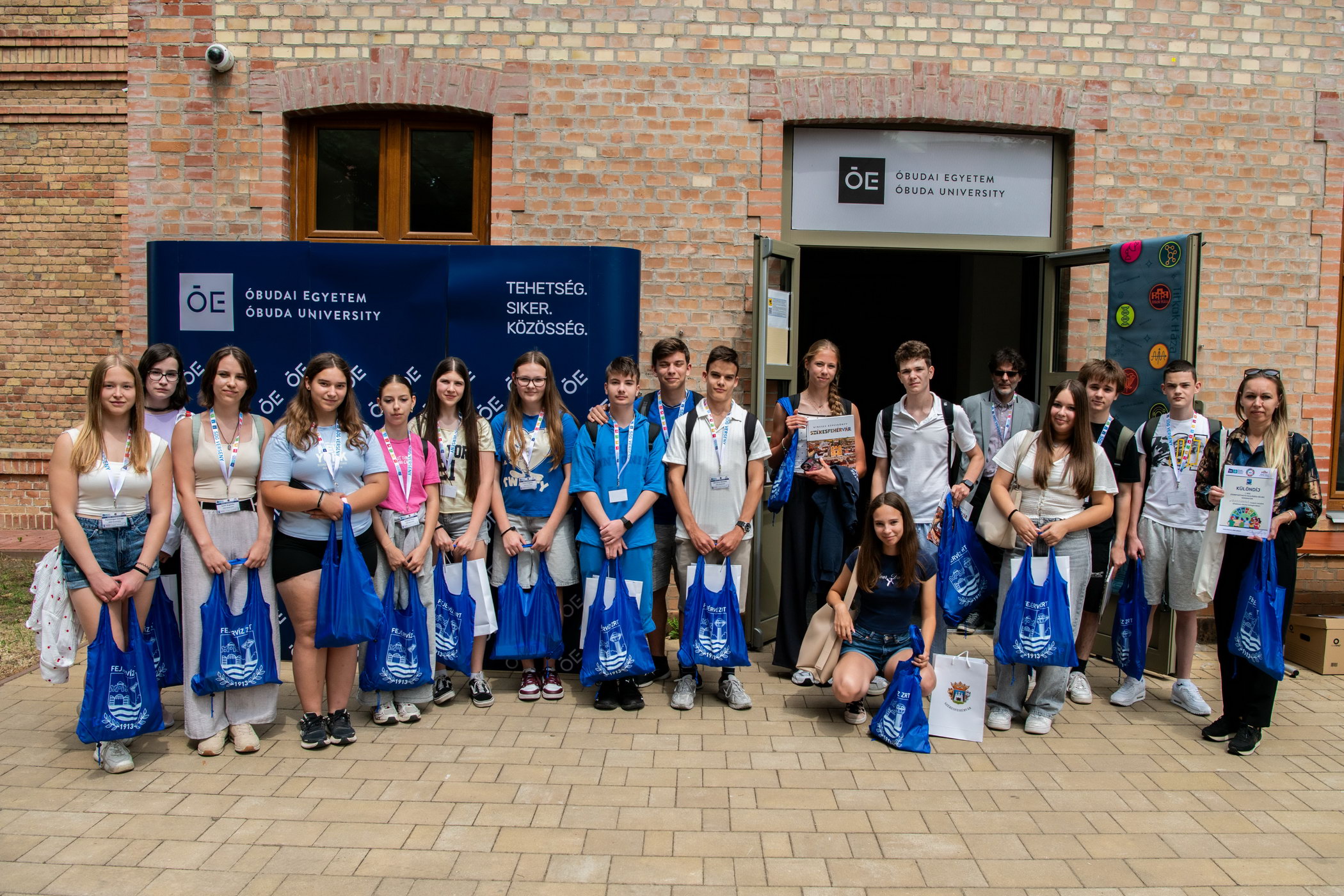
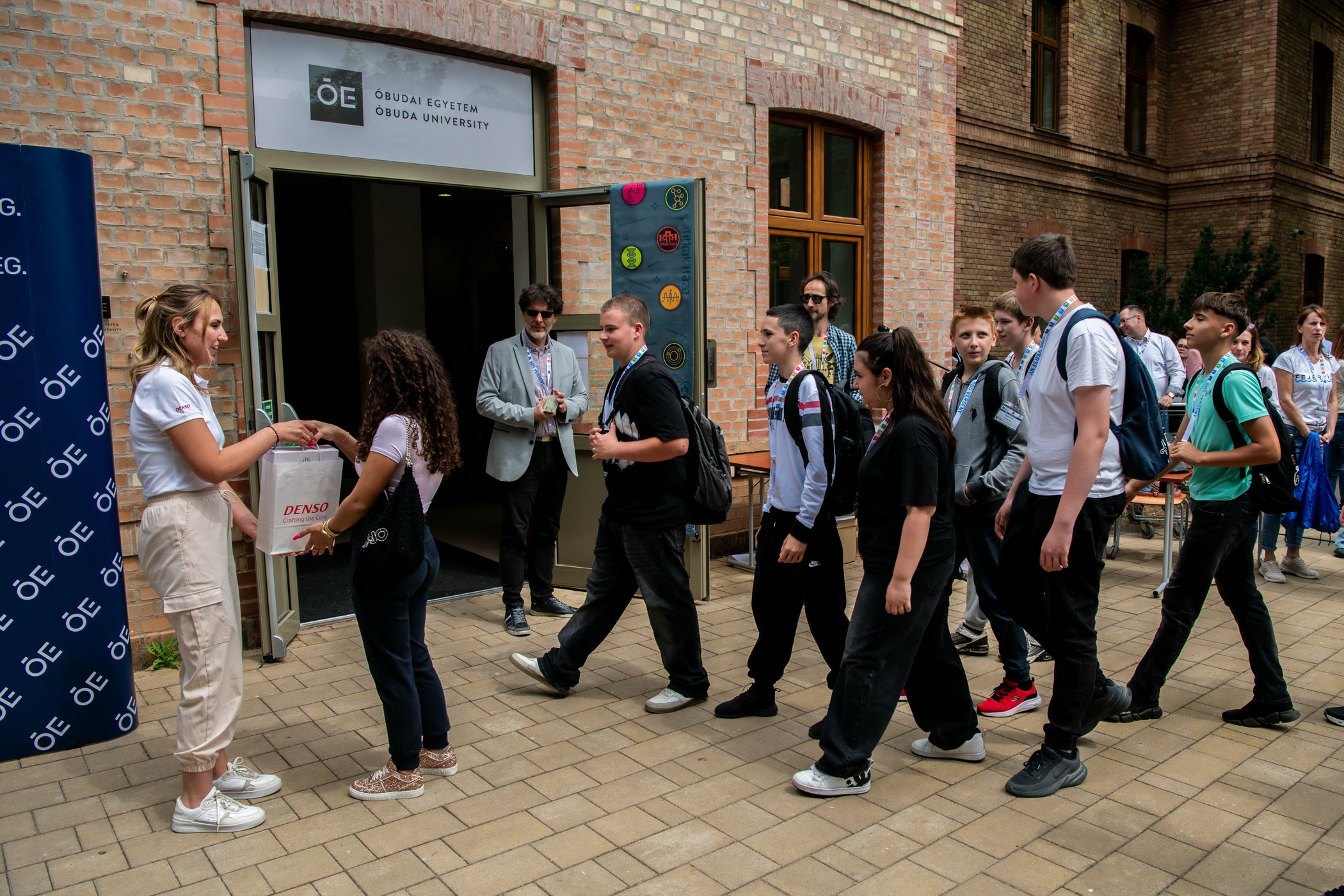
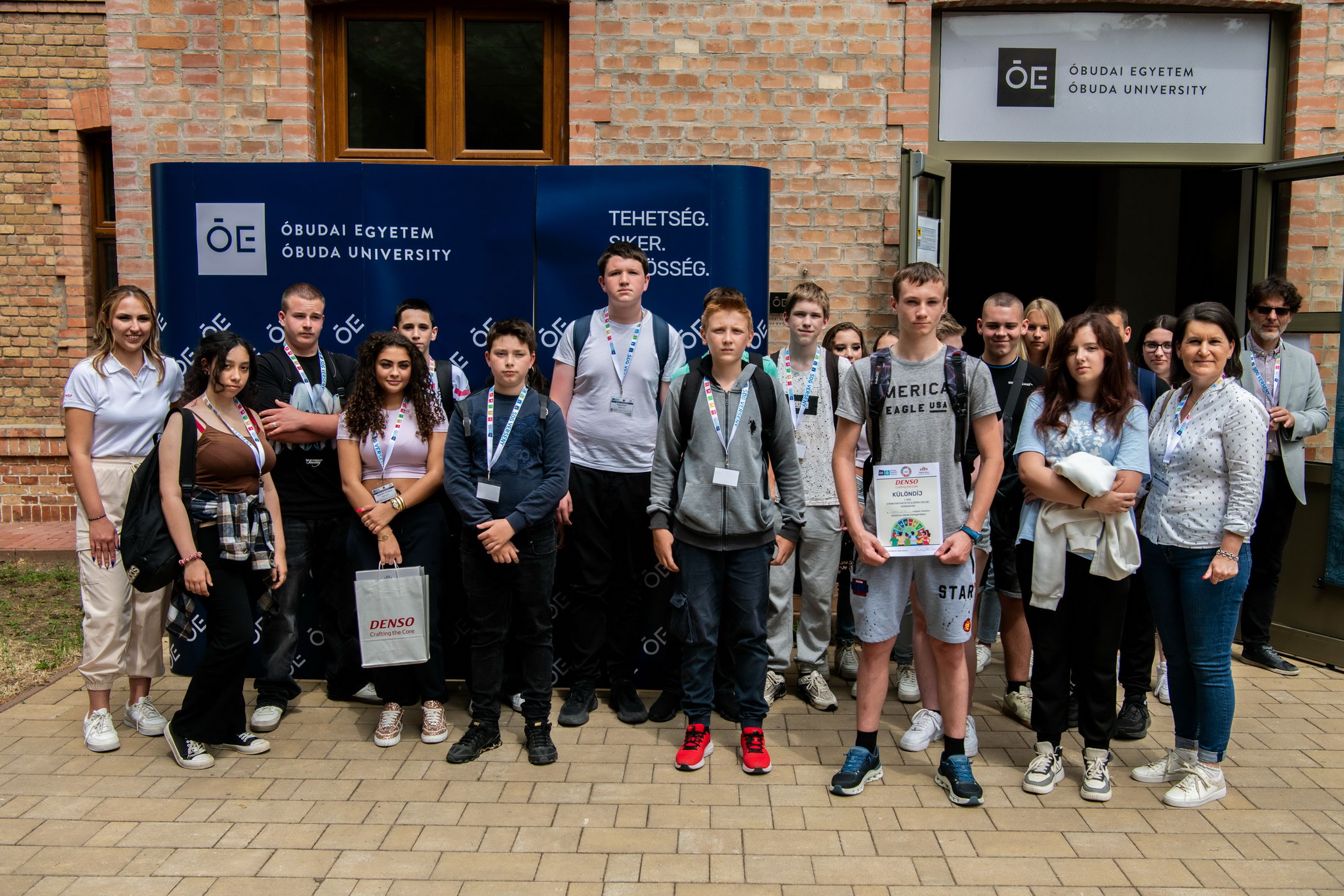
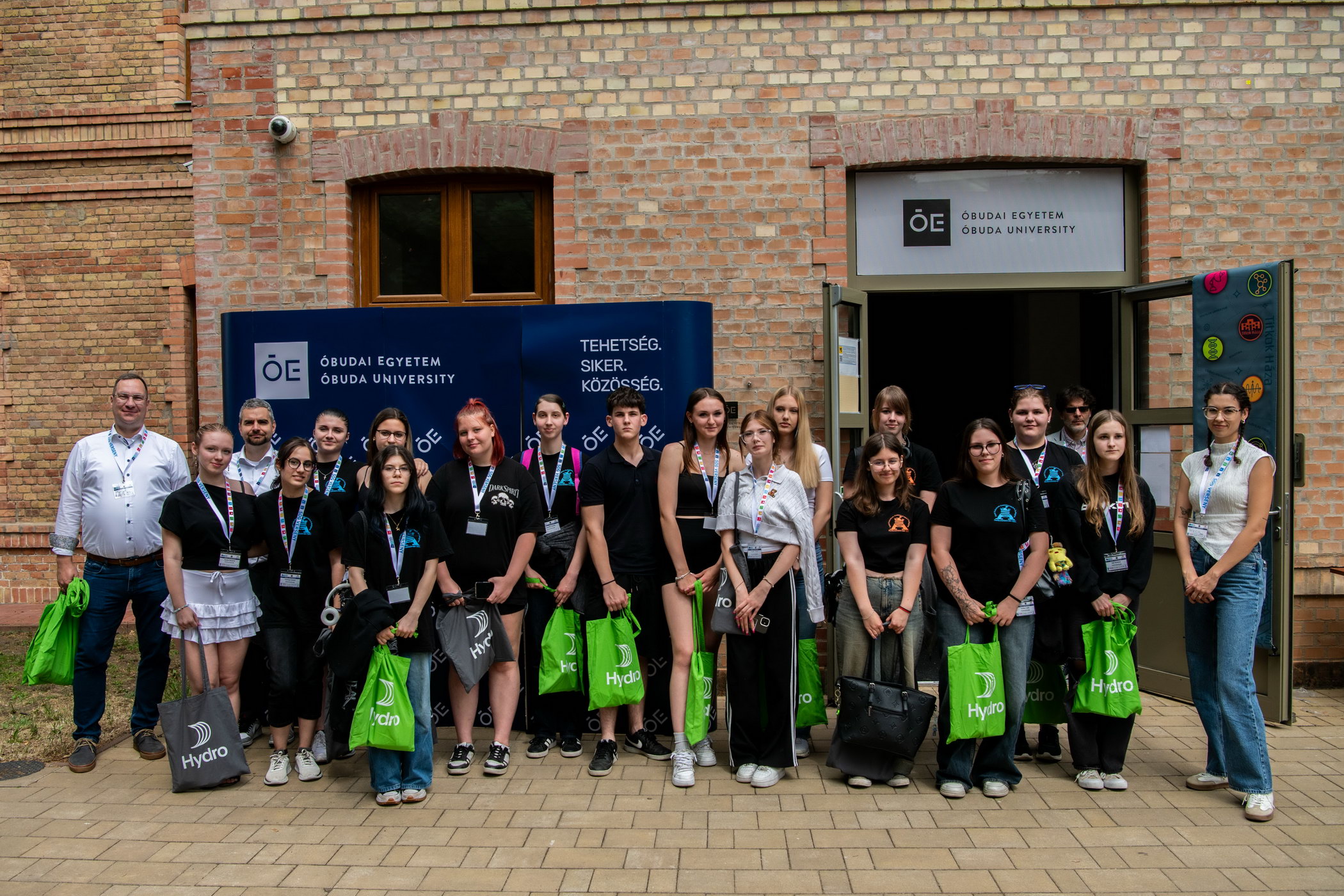
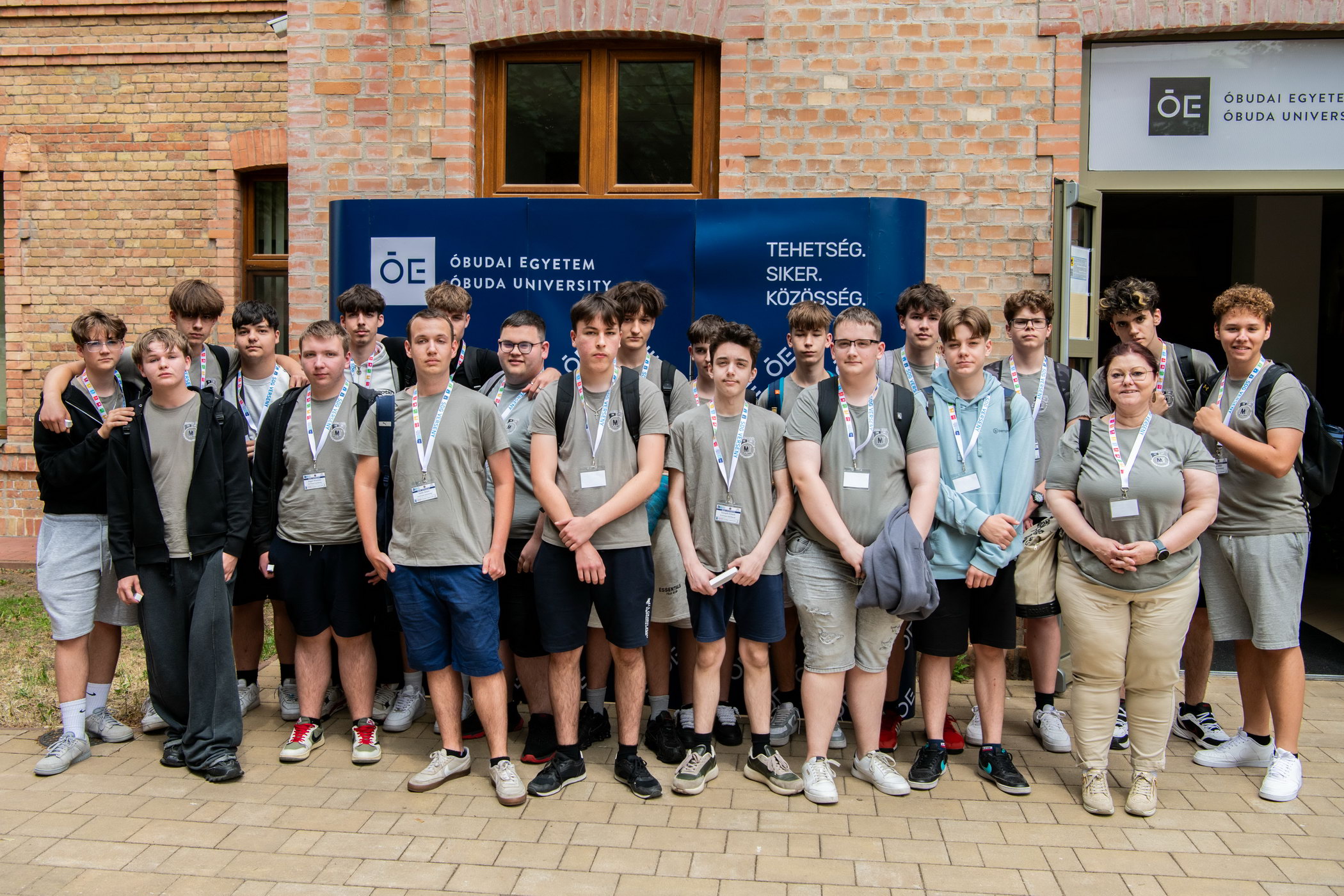
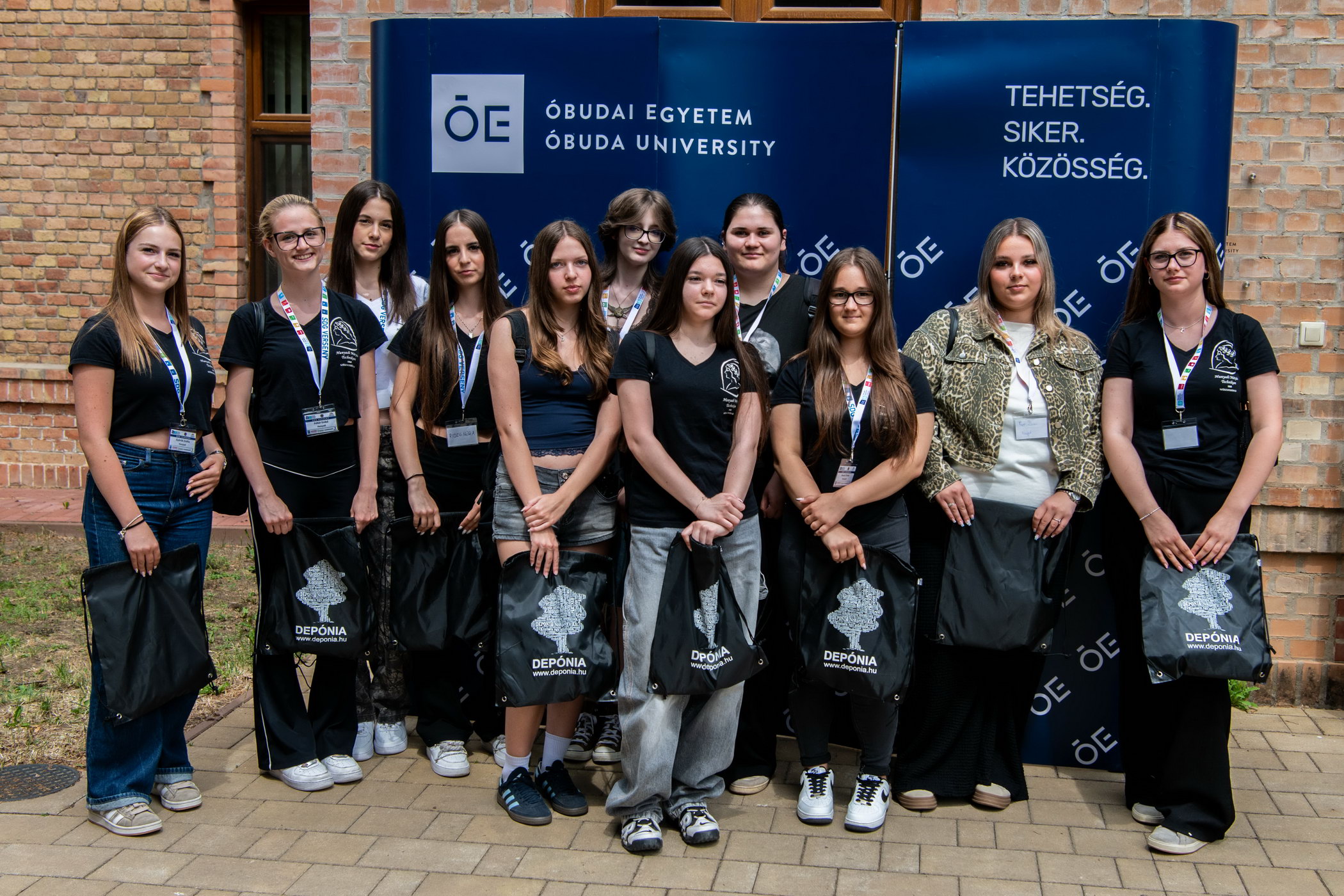
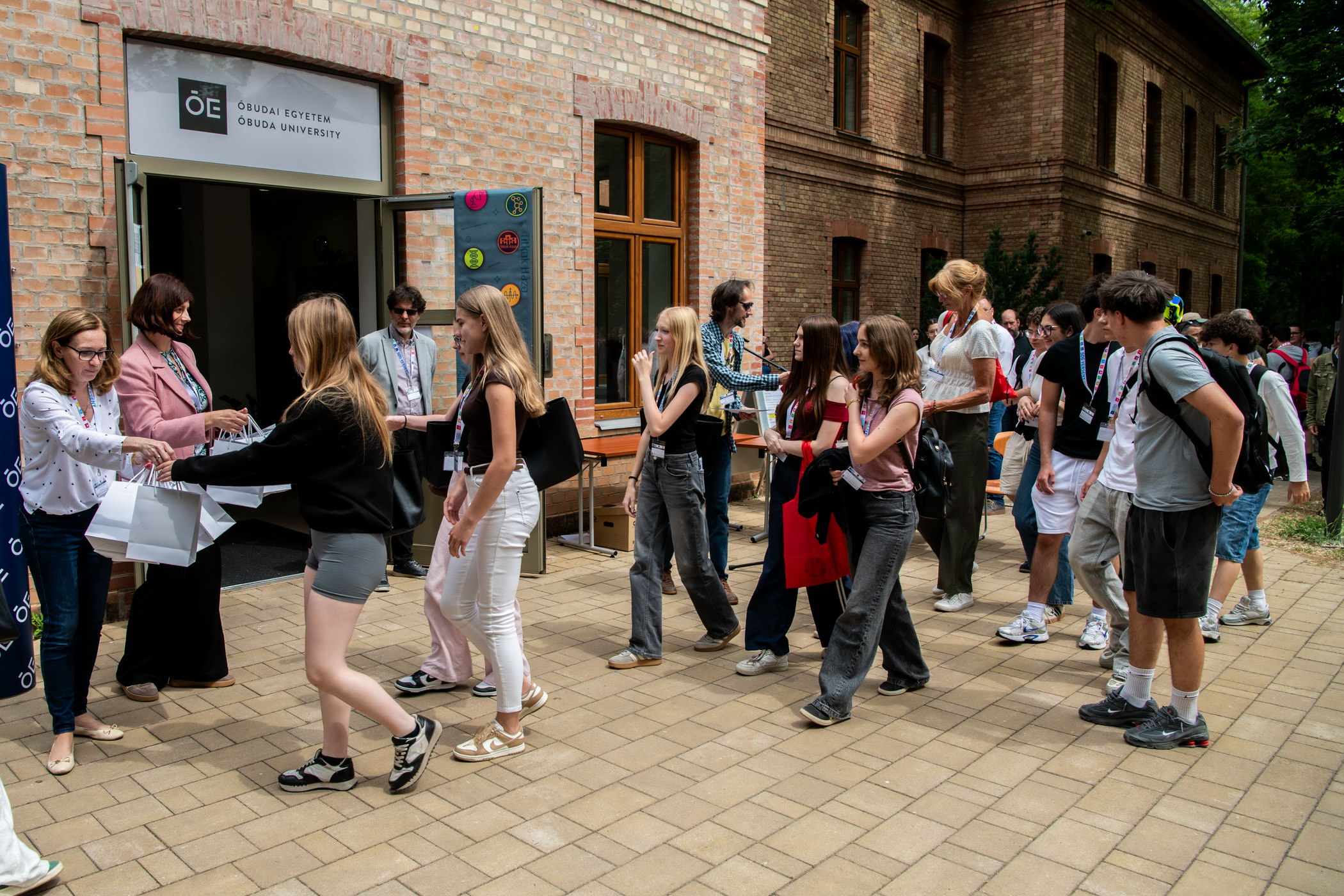
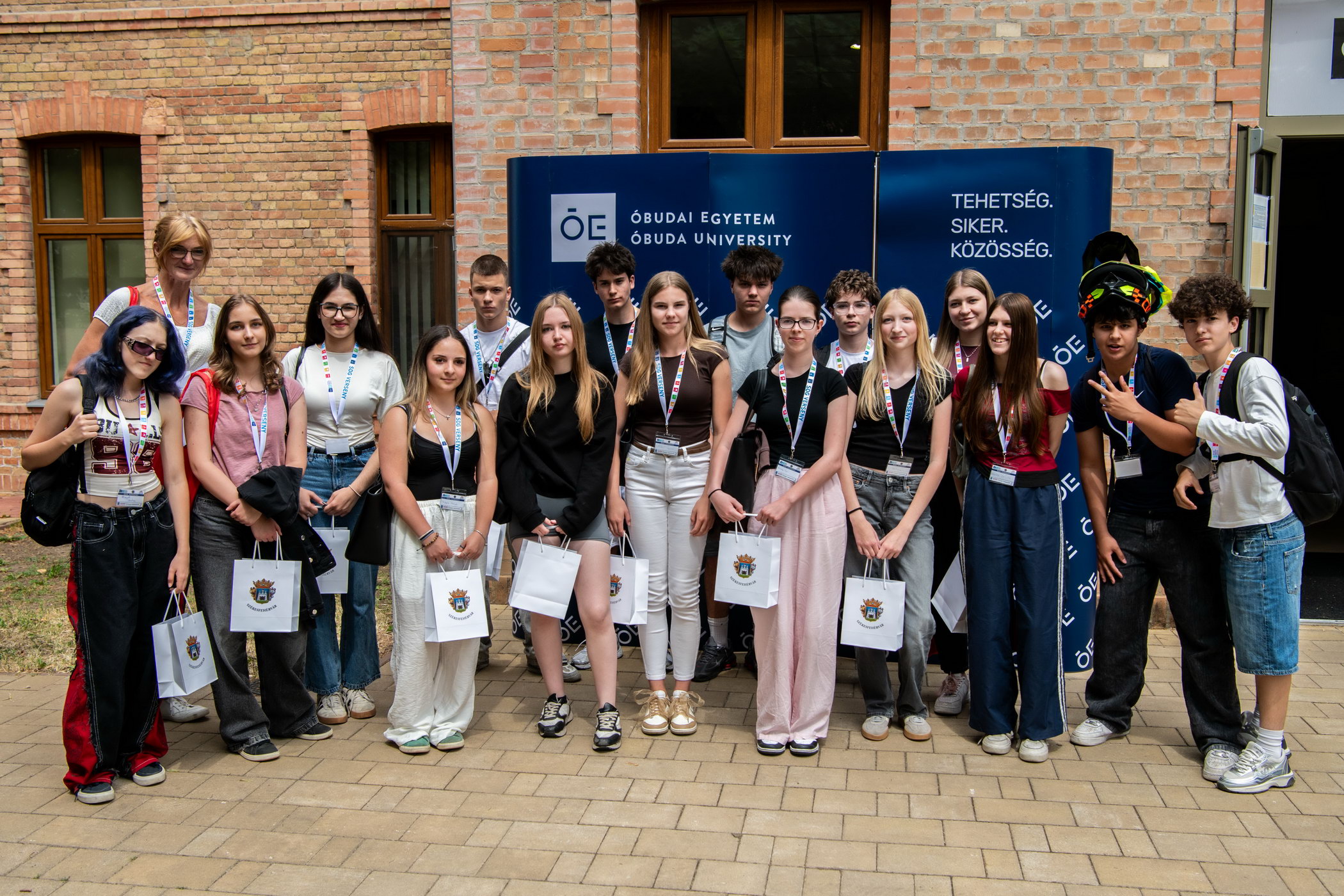
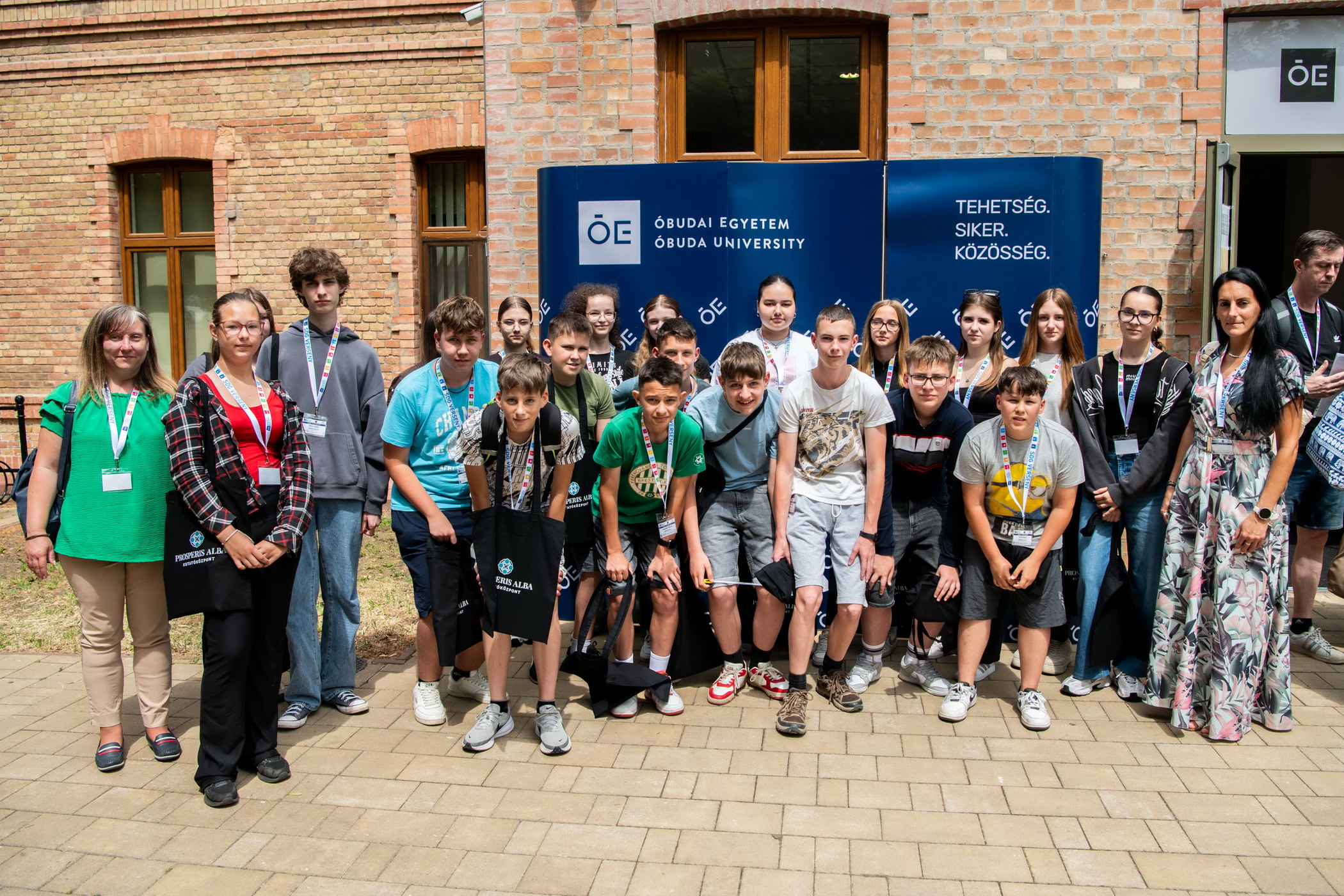
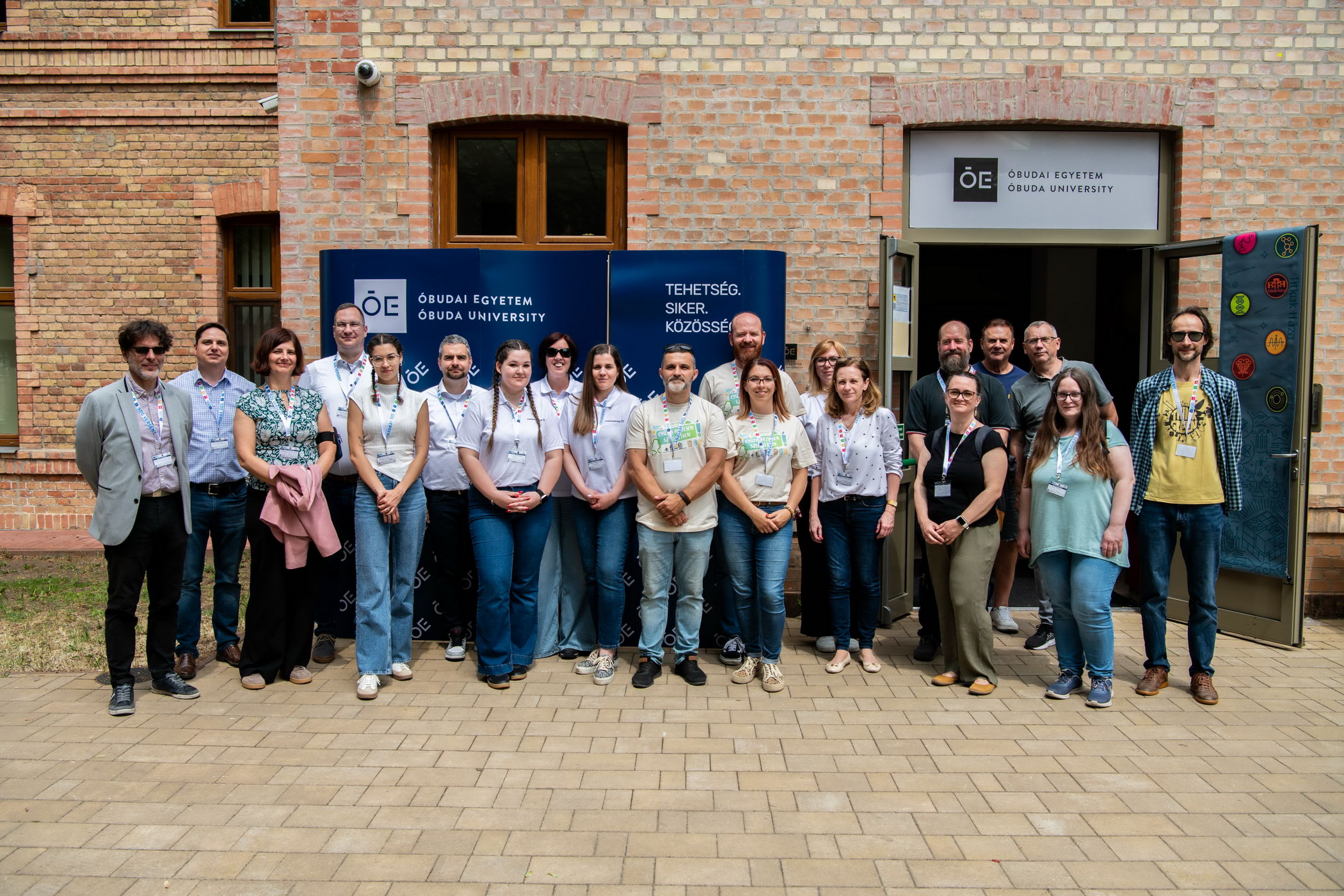
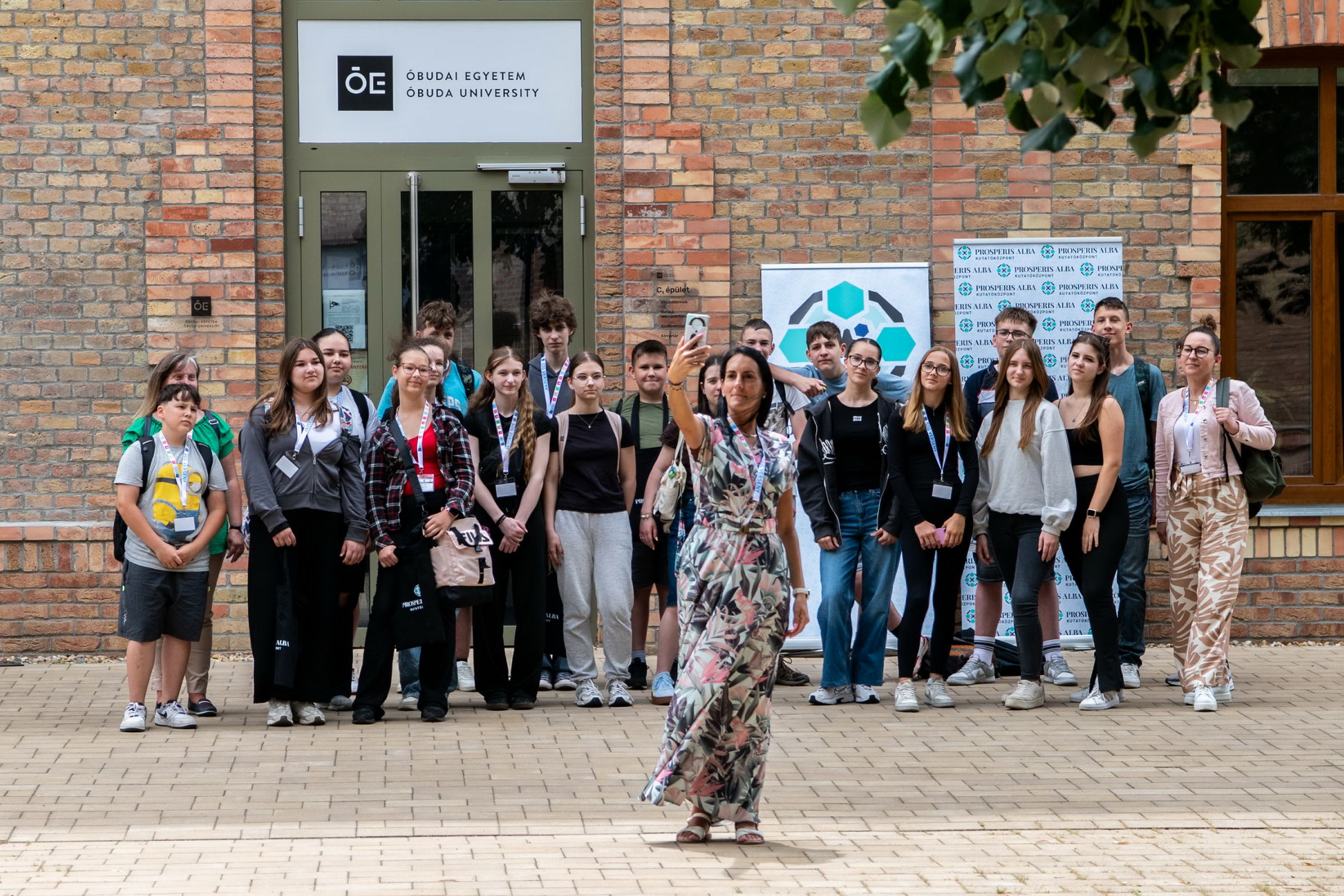
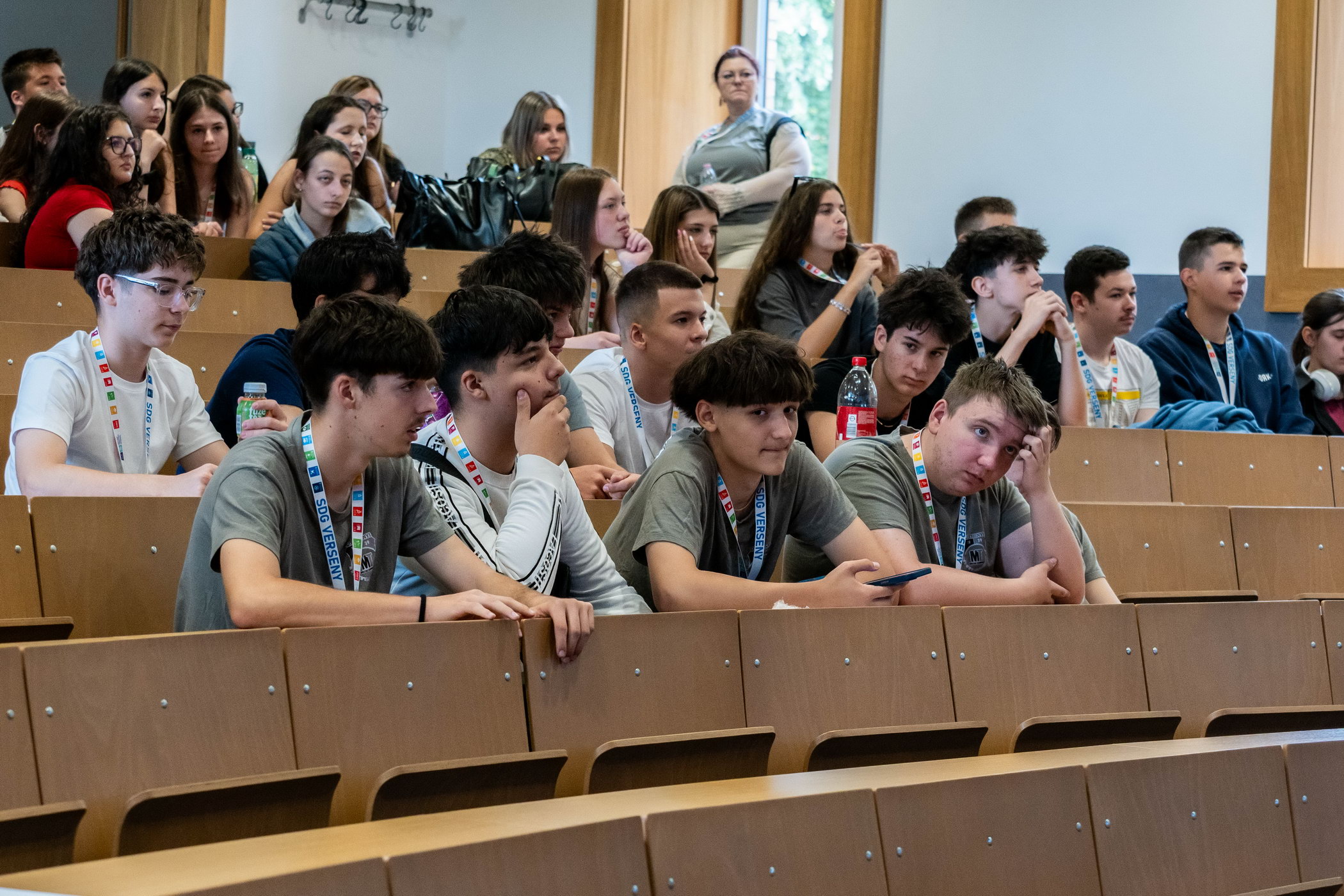
The first SDG Competition was successfully organized through extensive cooperation among educational, municipal, corporate, and civil society partners. Hosted by the Alba Regia Faculty of Obuda University, the event brought together nineteen student teams, including eight primary school and eleven secondary school teams, to engage with the United Nations Sustainable Development Goals (SDGs) in a creative and interactive way.
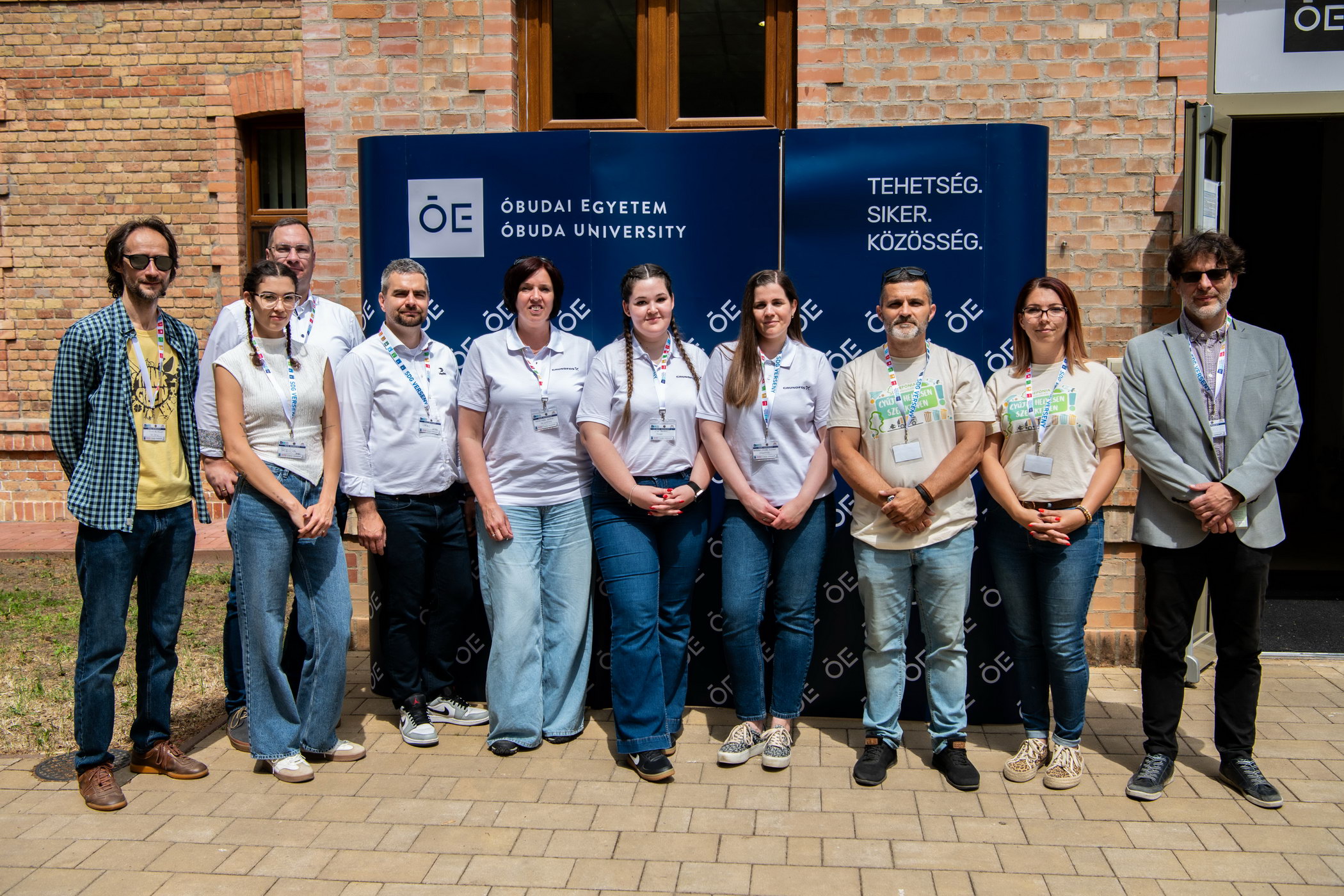
The competition aimed to assess participants’ existing knowledge while encouraging a deeper understanding of sustainability and strengthening their commitment to responsible action. The initiative was realized through the collaboration of the university, local government organizations, research institutions, companies, and community partners, demonstrating the importance of collective efforts in addressing global challenges.
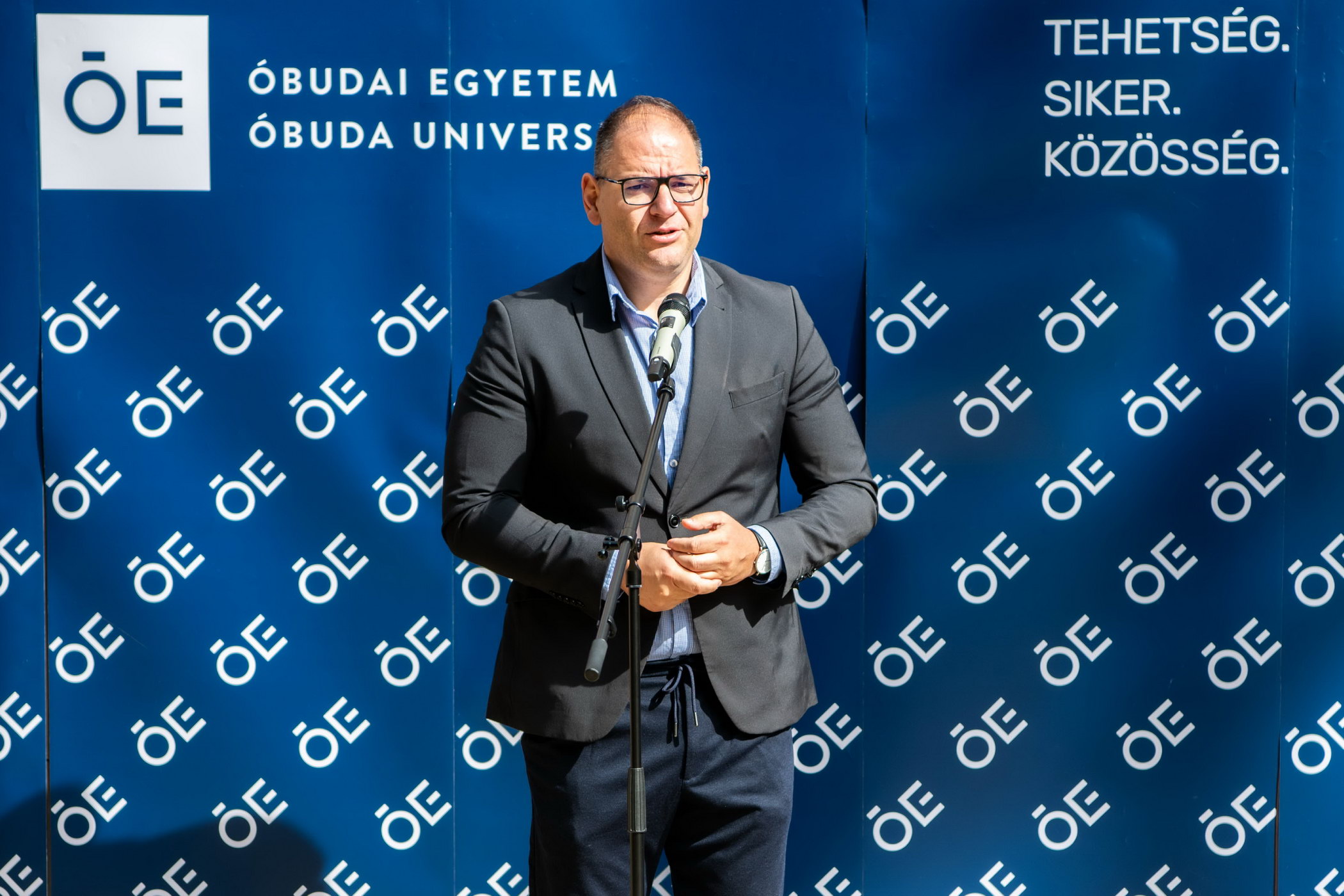
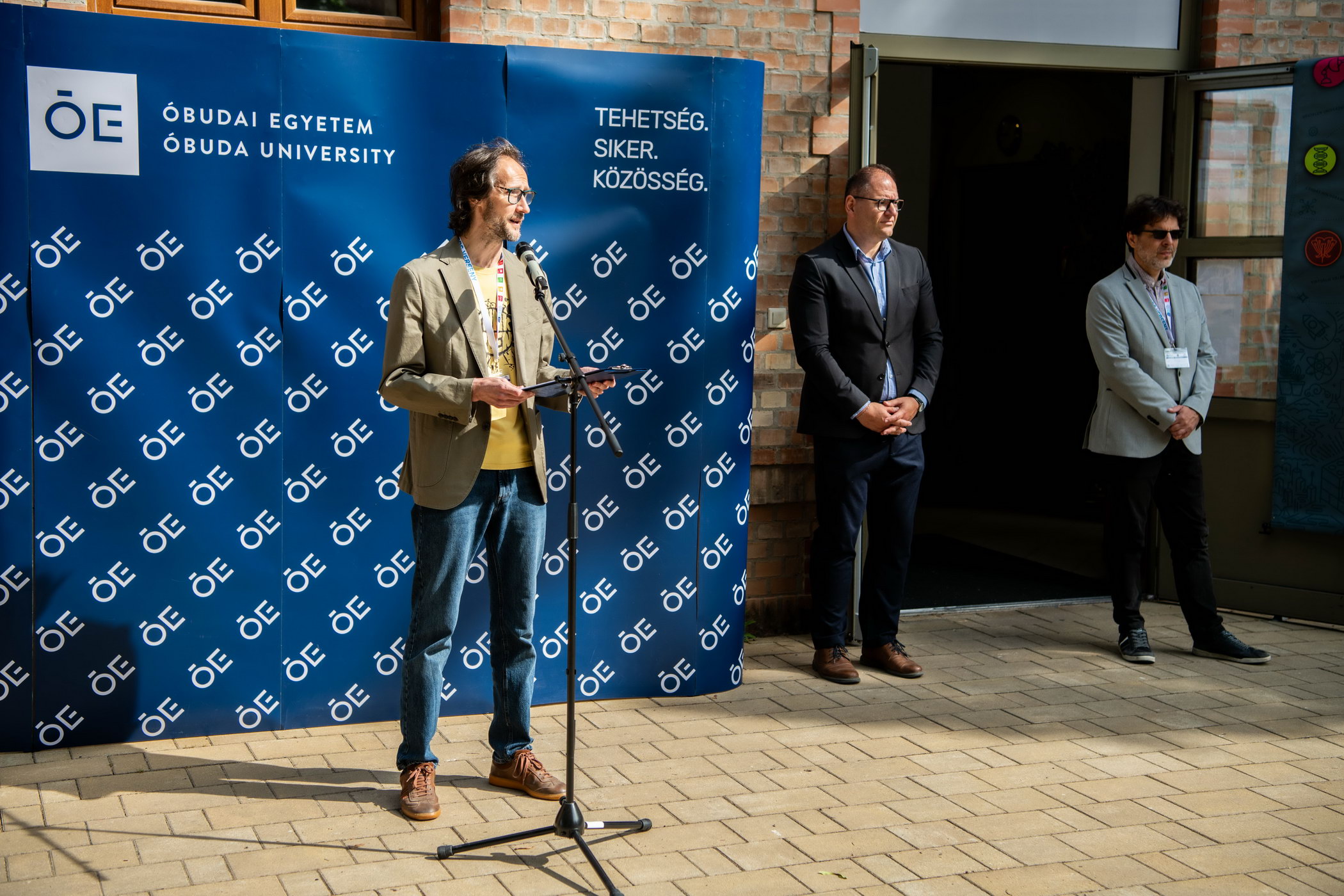
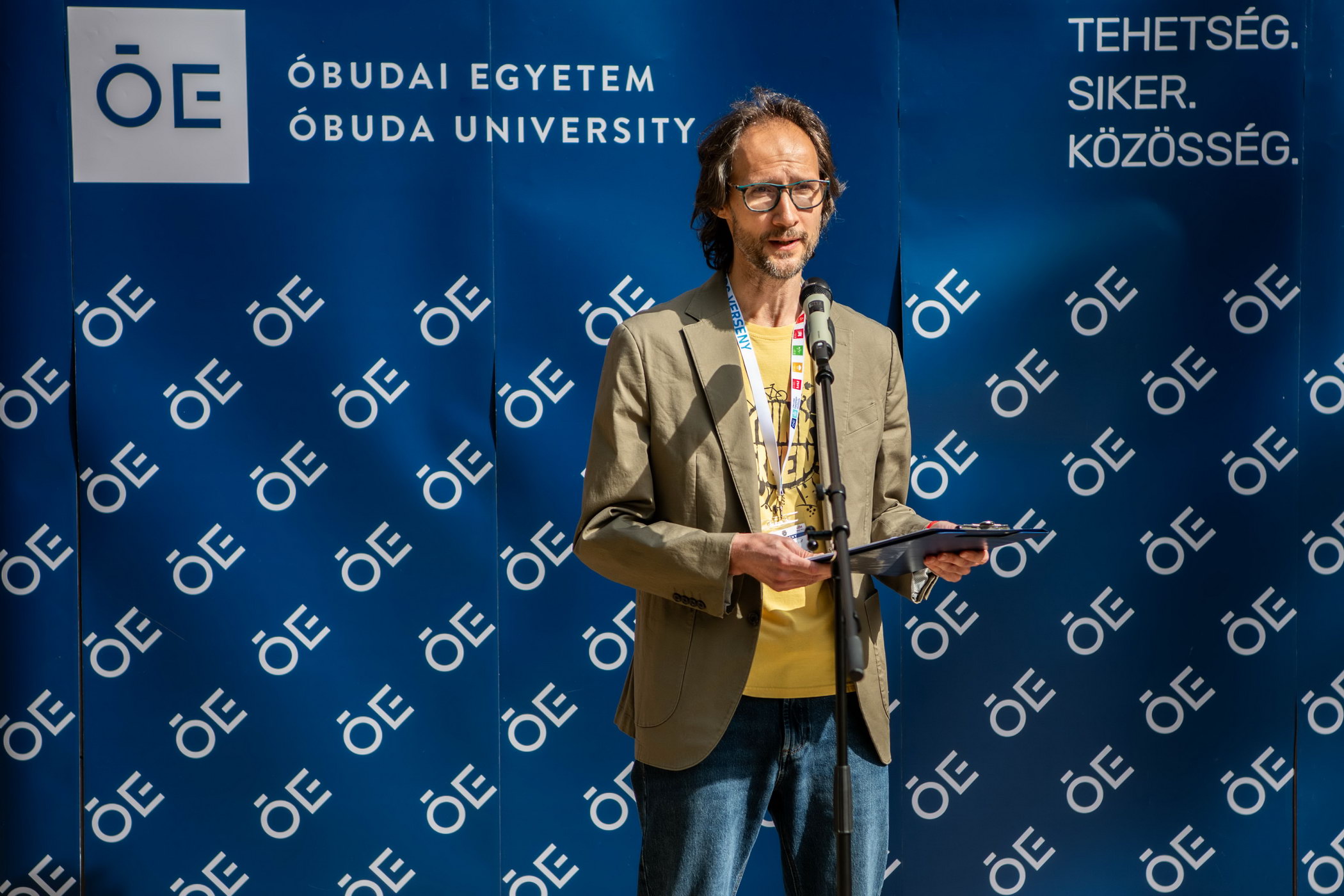
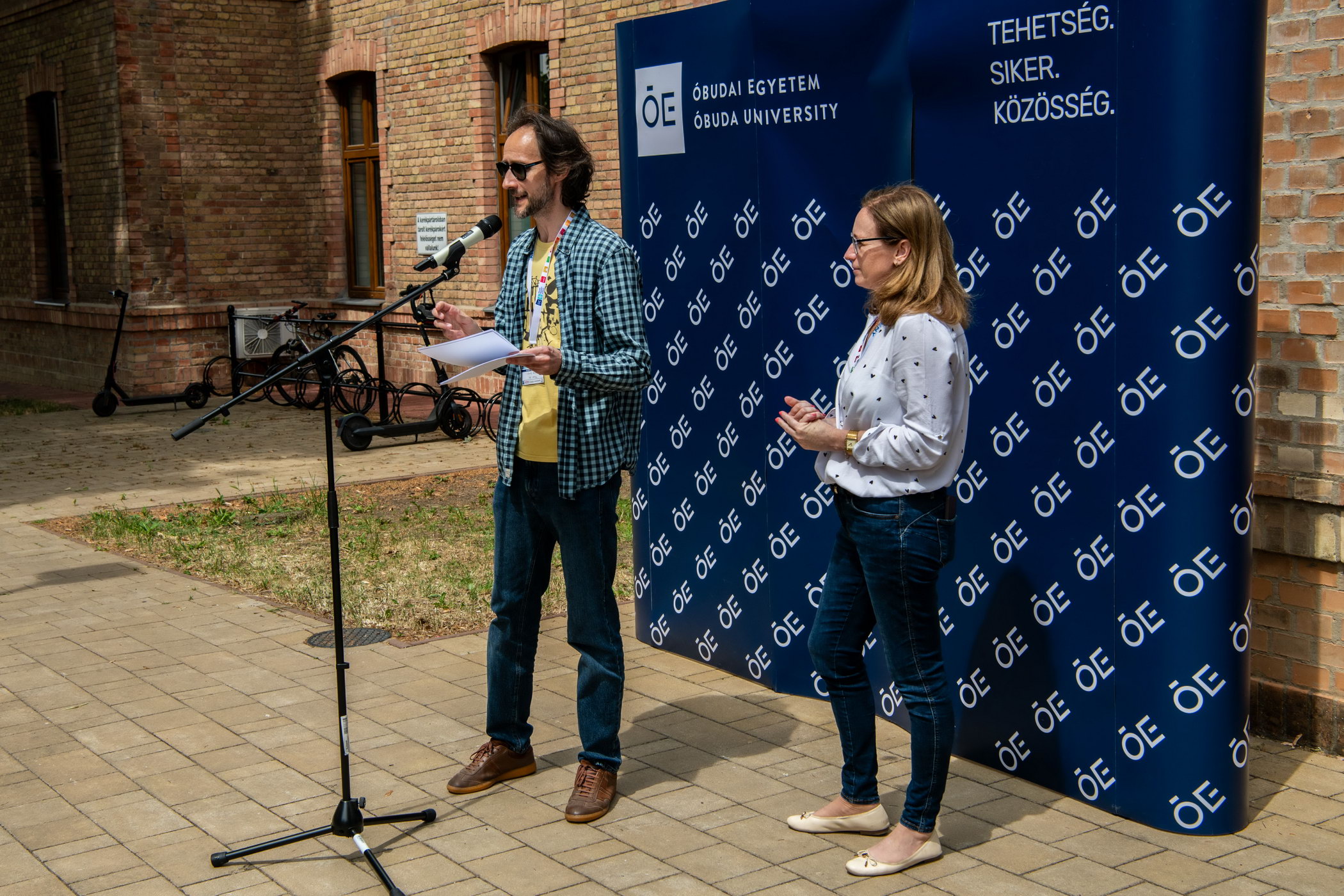
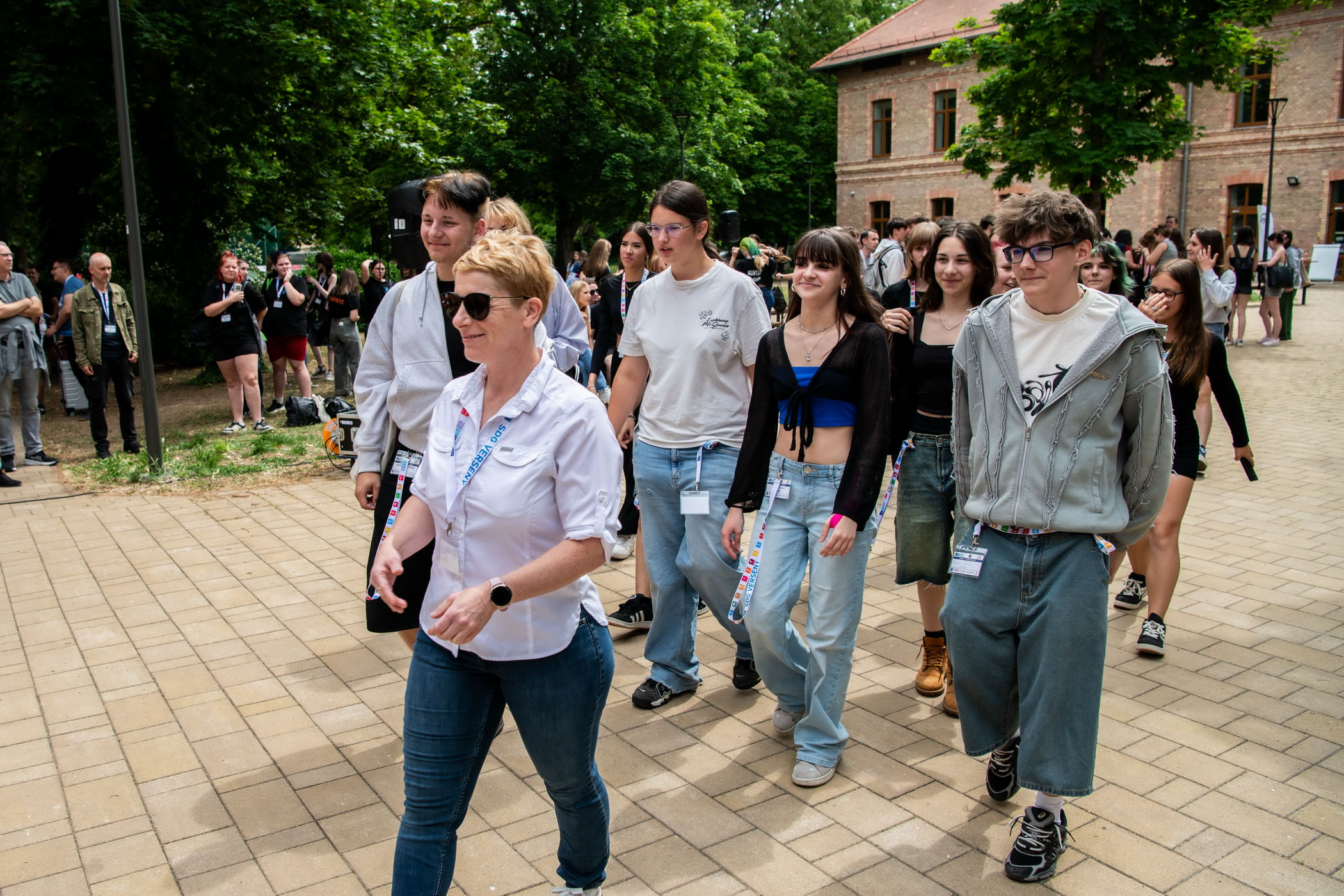
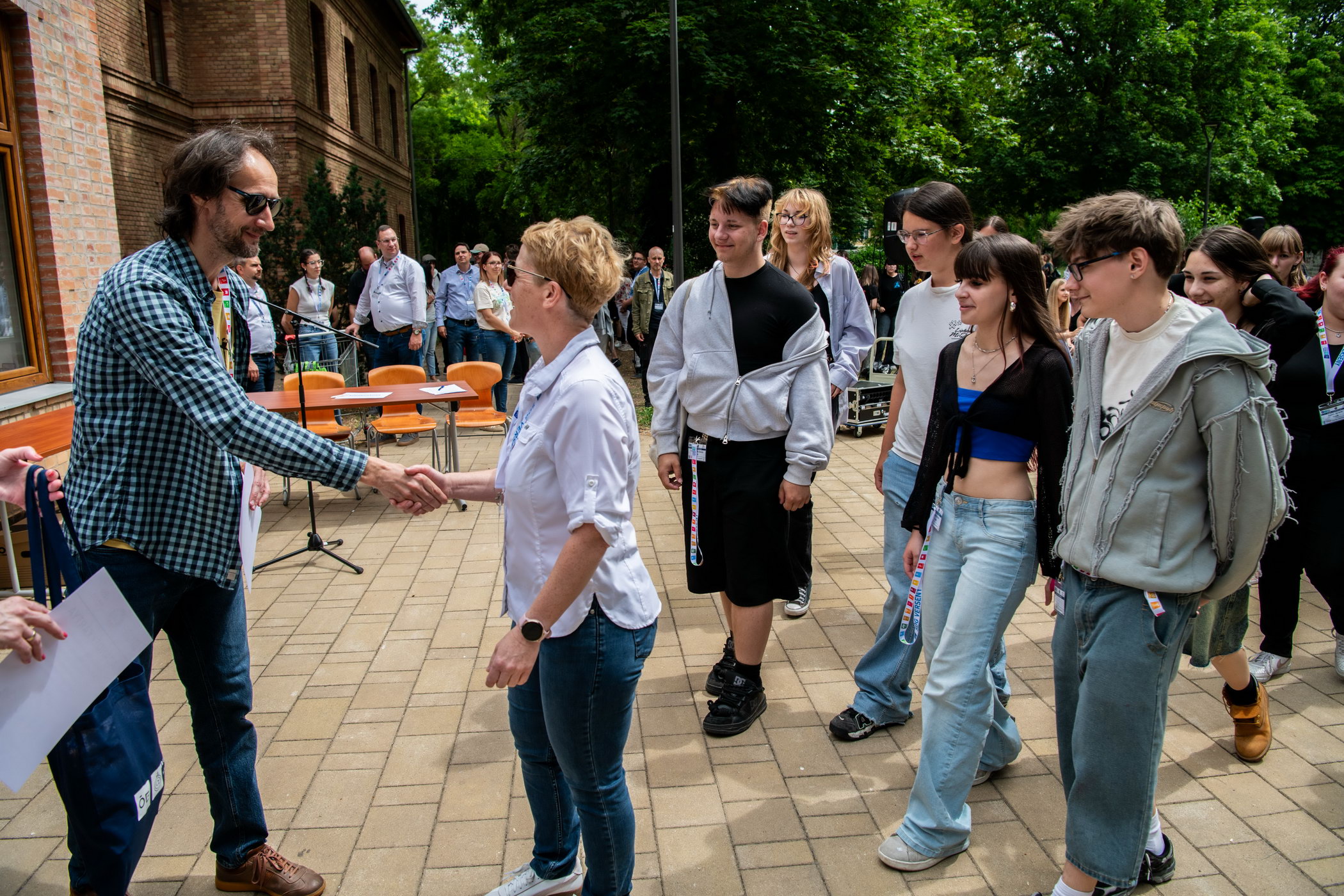
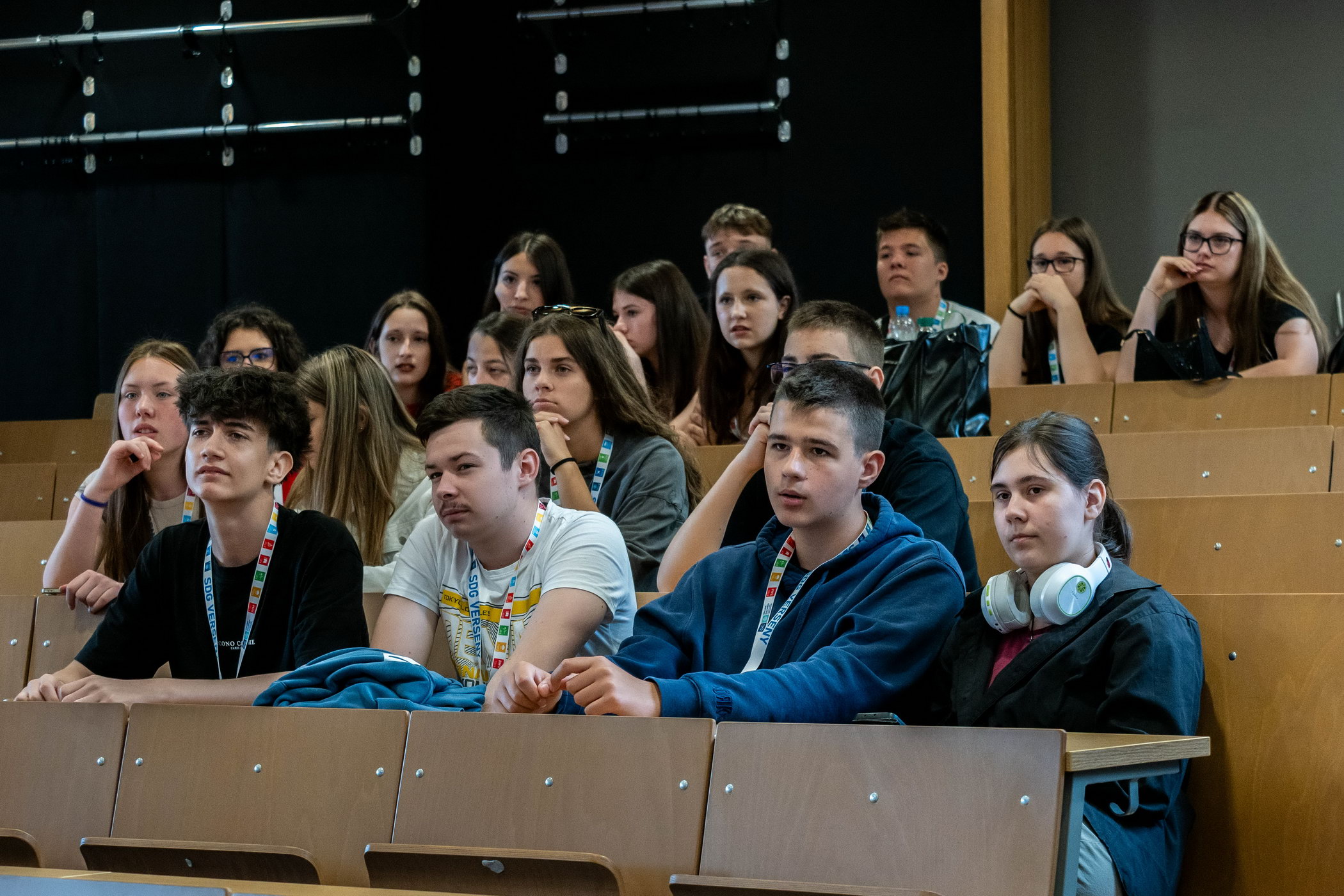
During the opening ceremony, representatives of the organizing and supporting institutions emphasized that achieving sustainable development goals requires cooperation, innovation, and shared responsibility. They highlighted the importance of introducing young people to sustainability-related issues at an early age and encouraging them to become active contributors to a more sustainable future. The competition also reflected the university’s commitment to supporting the social and economic development of the region through educational and community-focused initiatives.
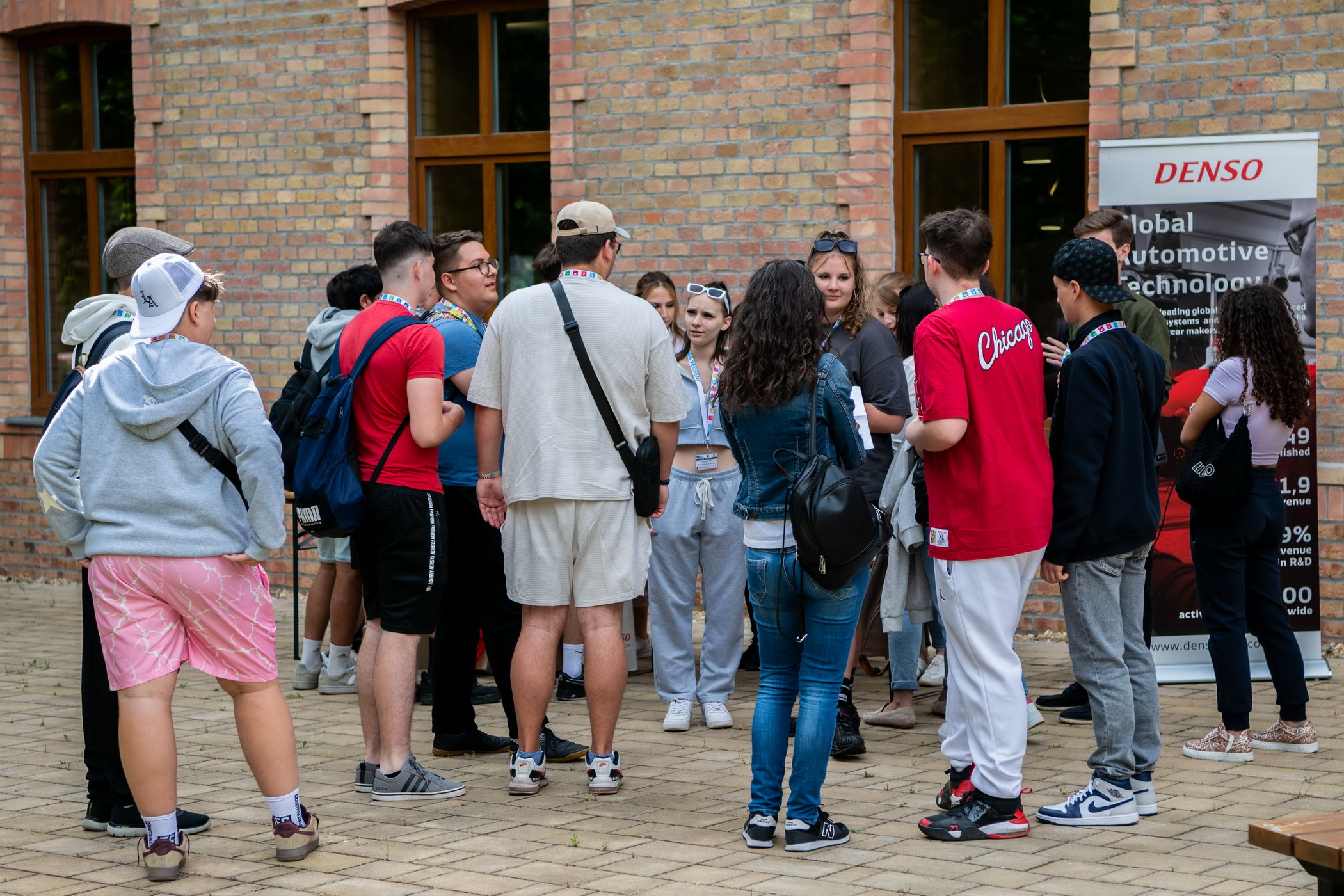
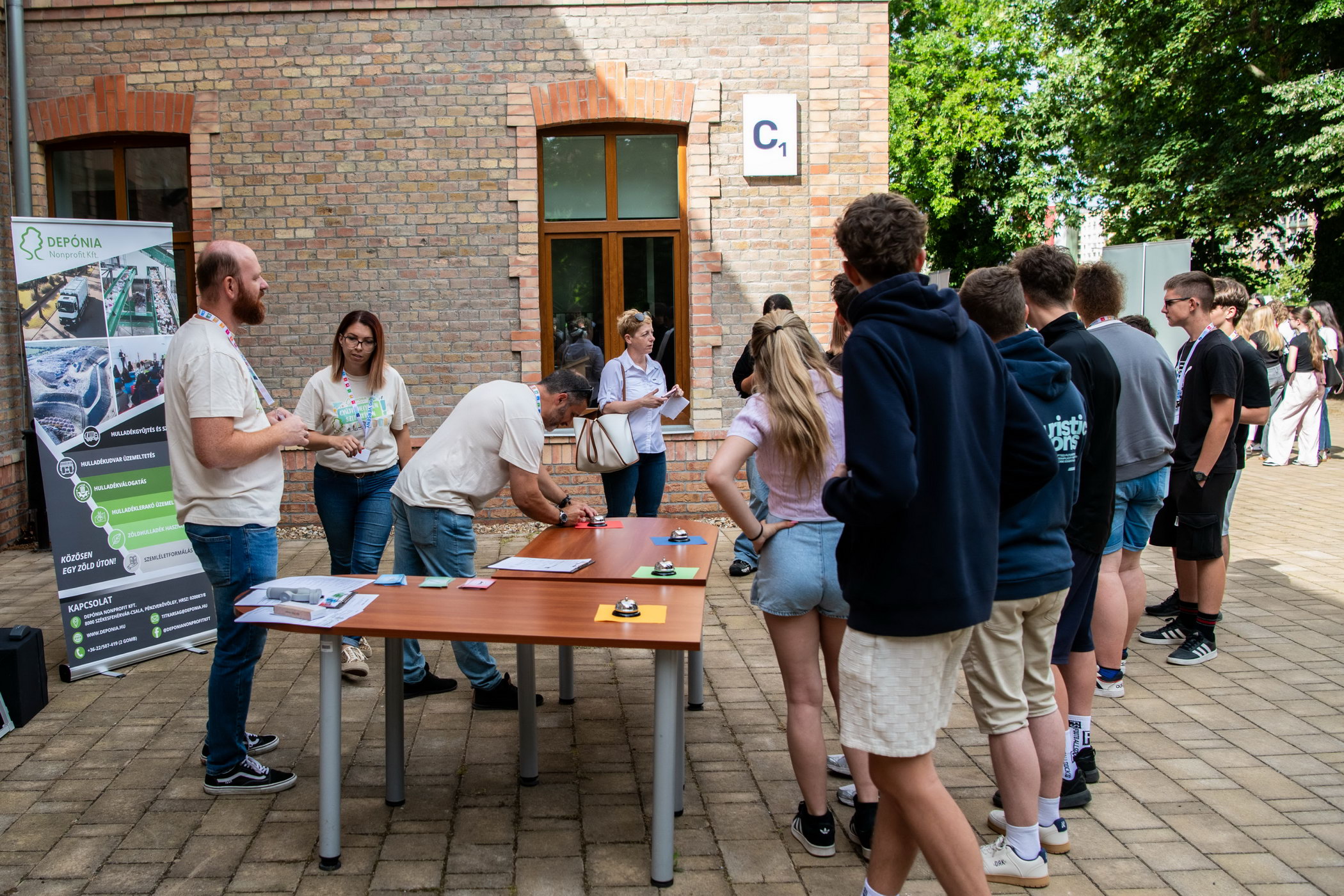
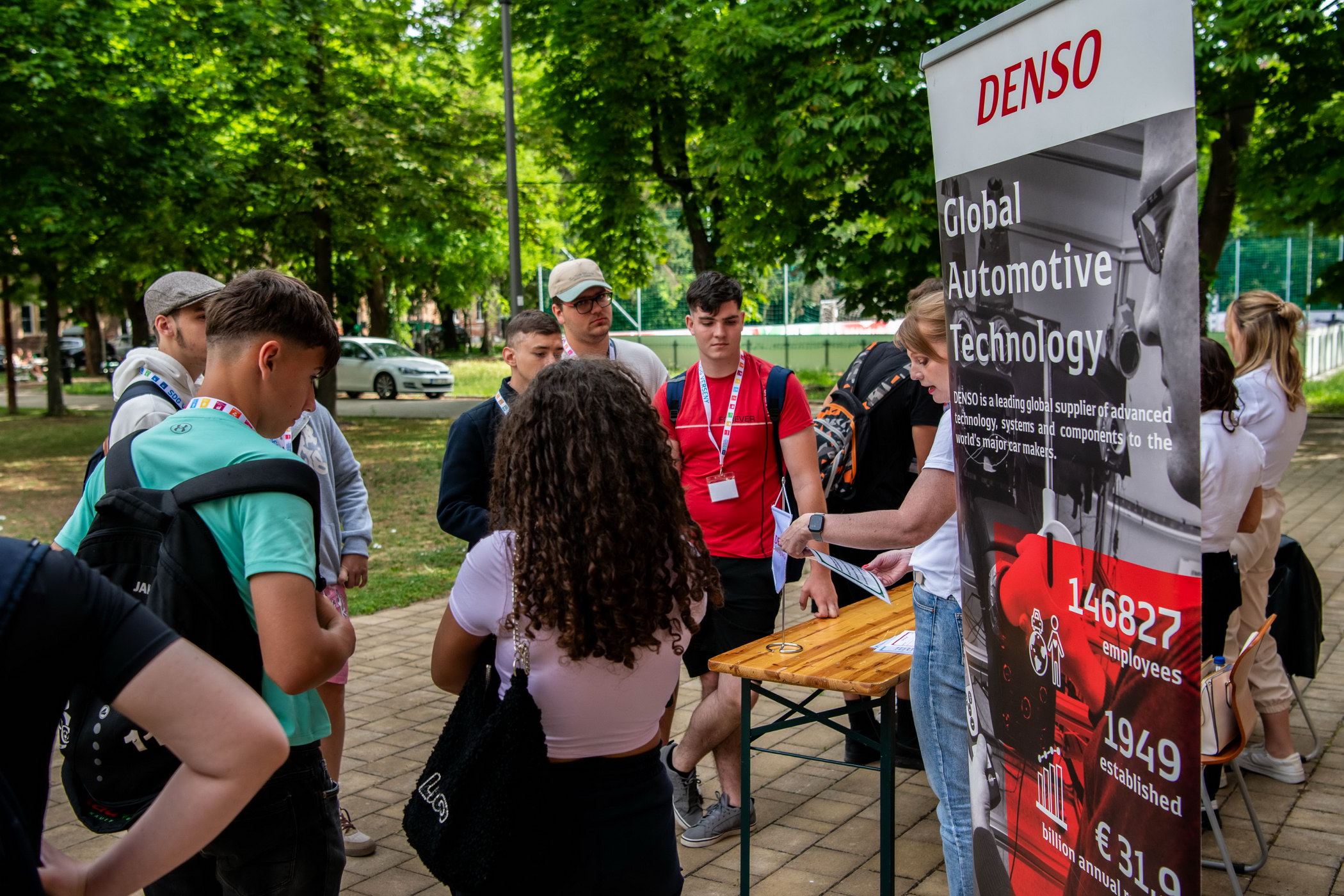
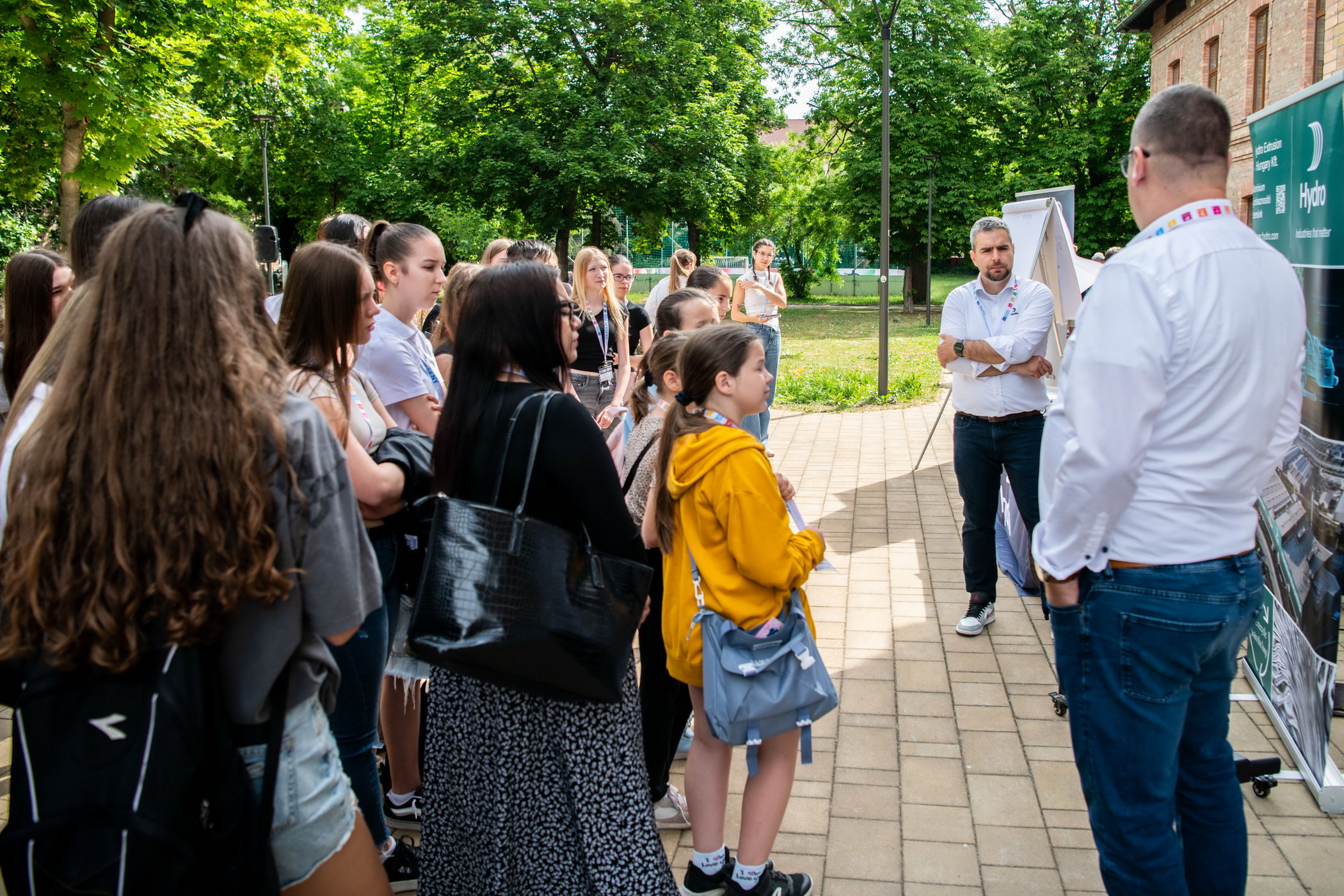
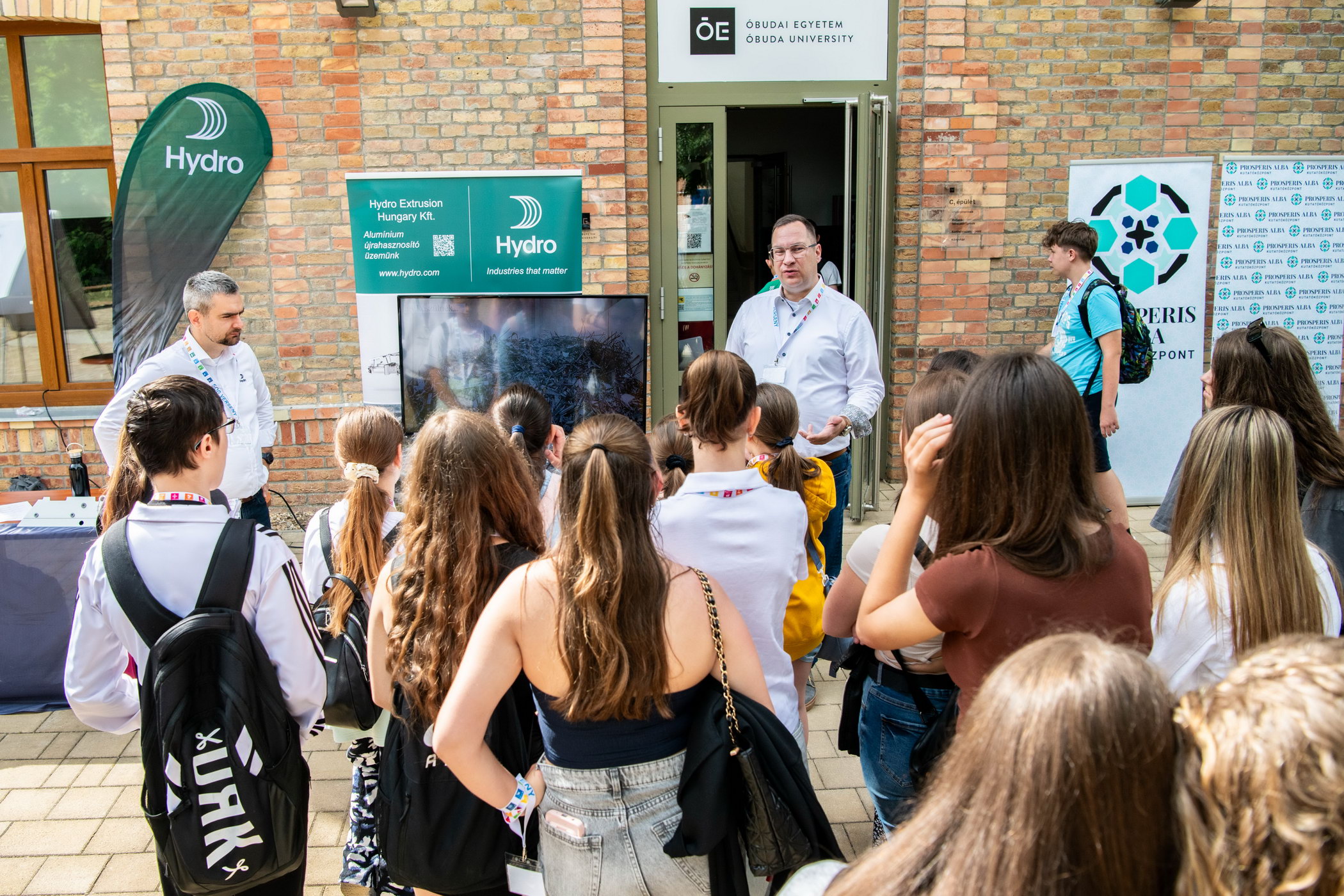
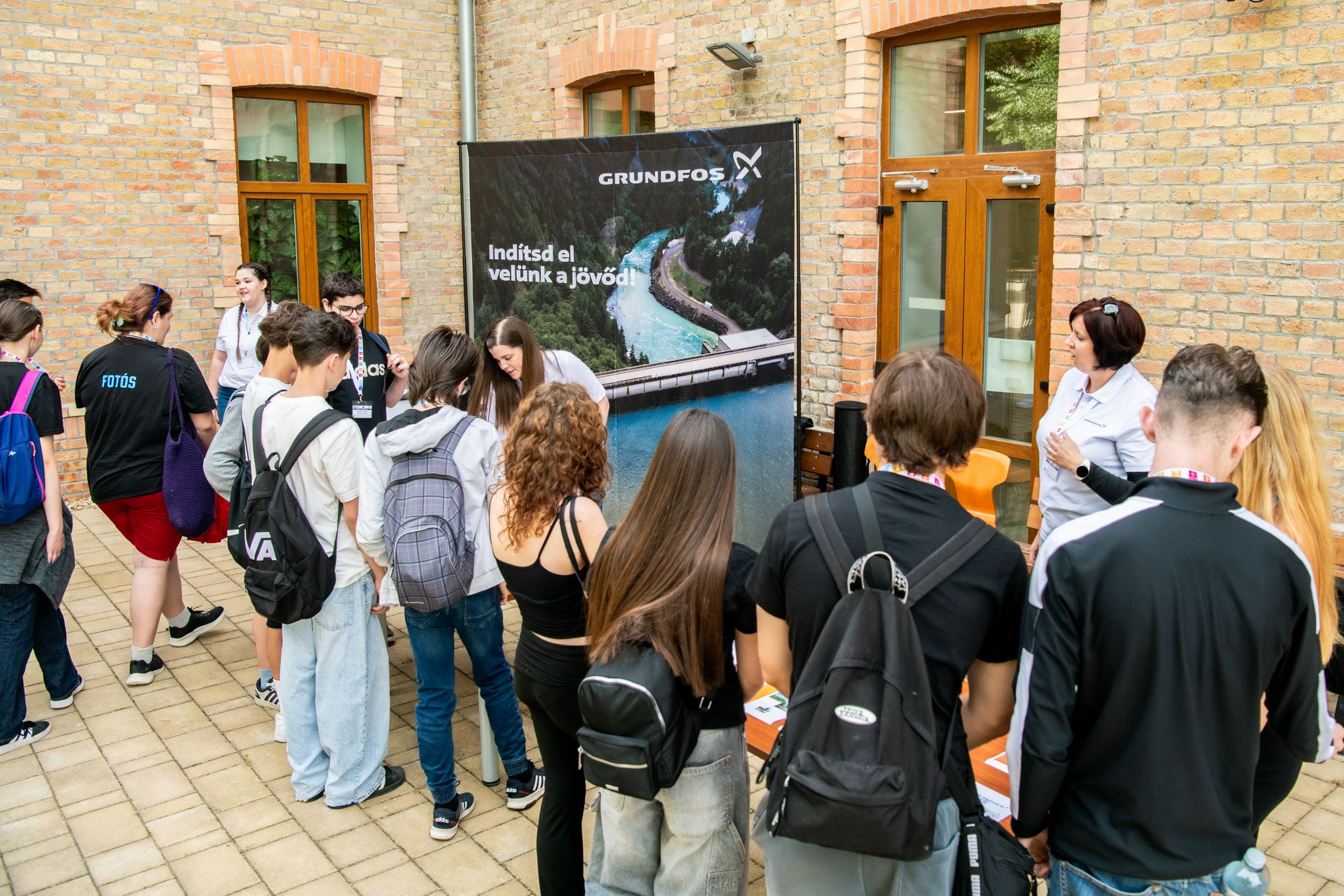
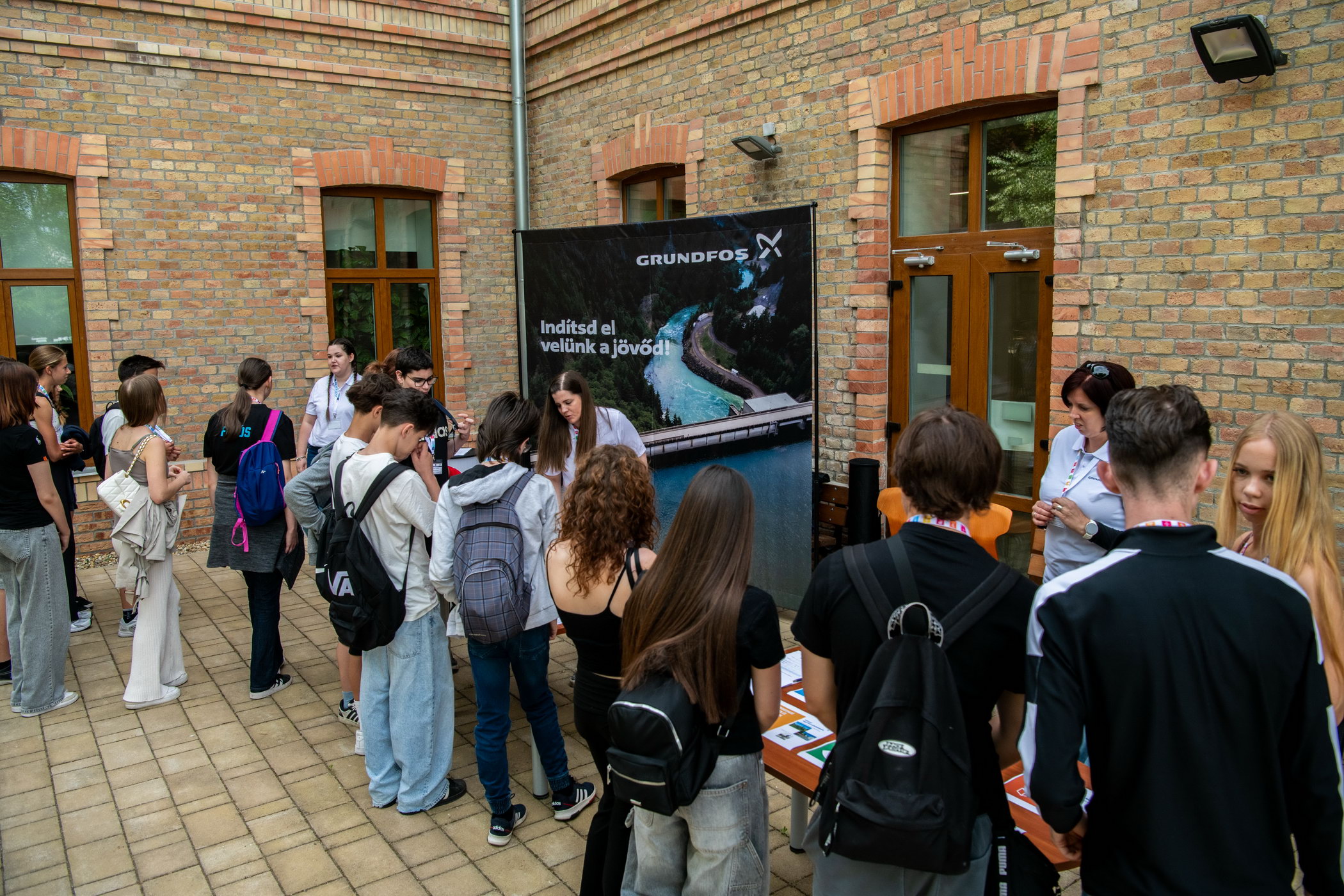
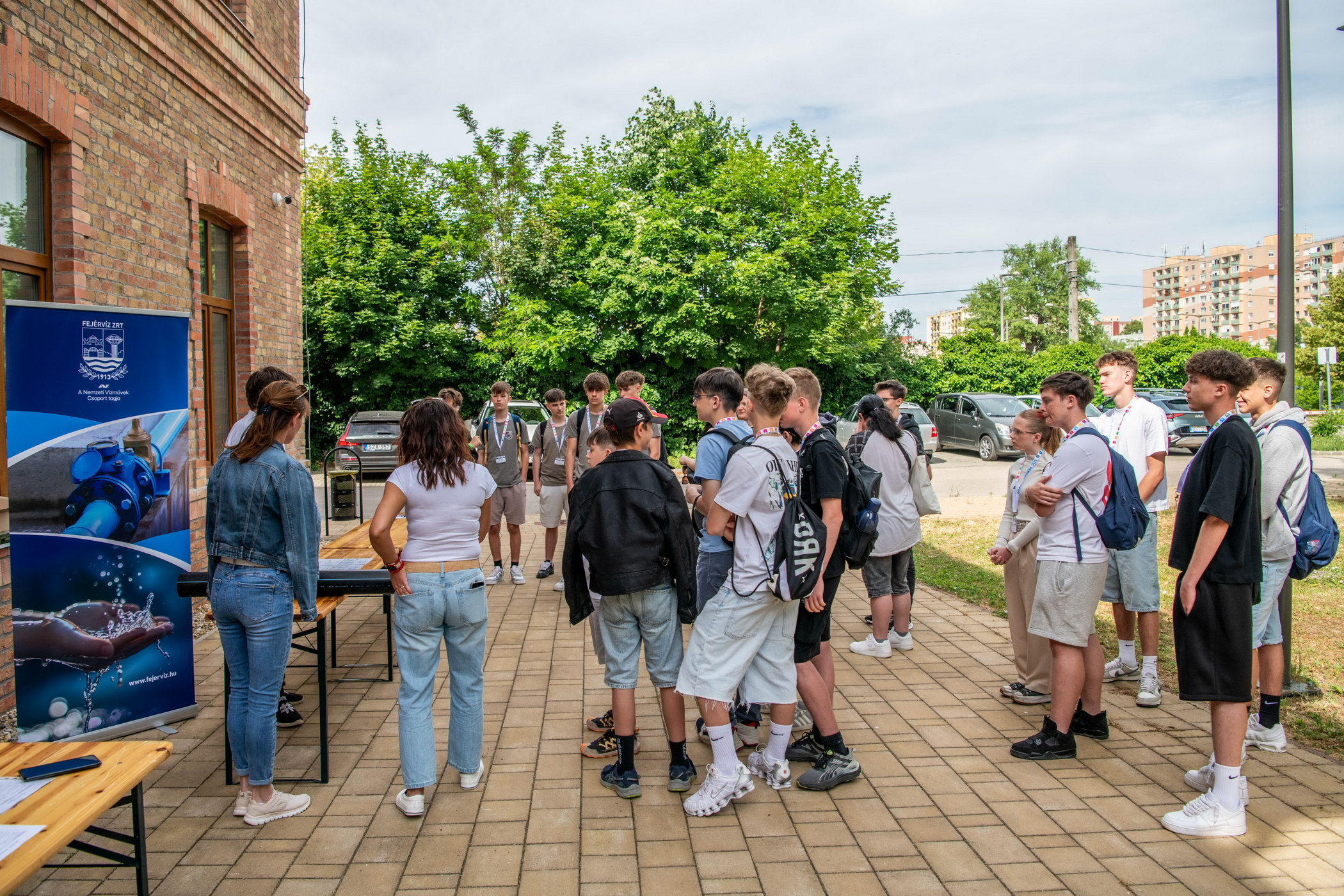
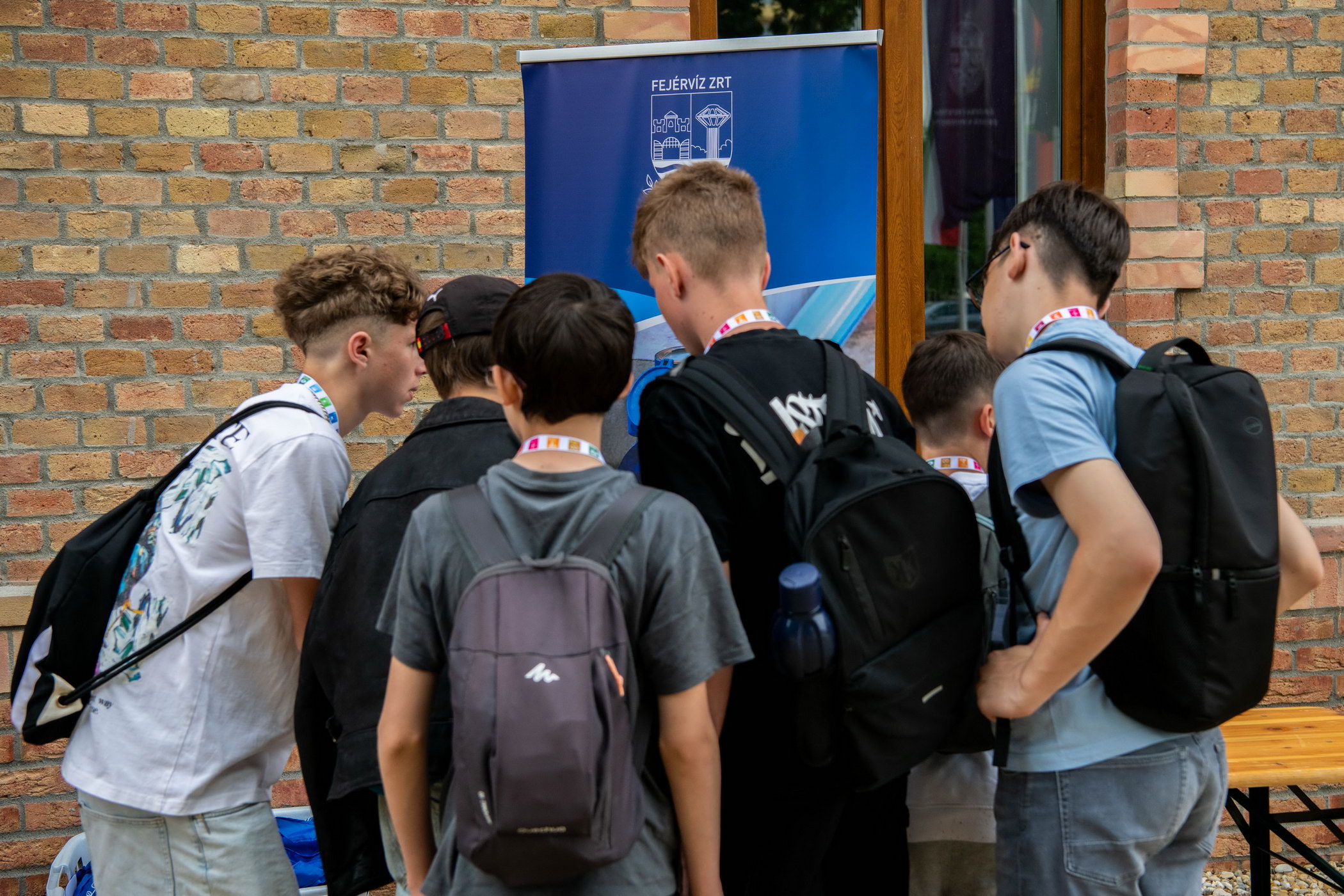
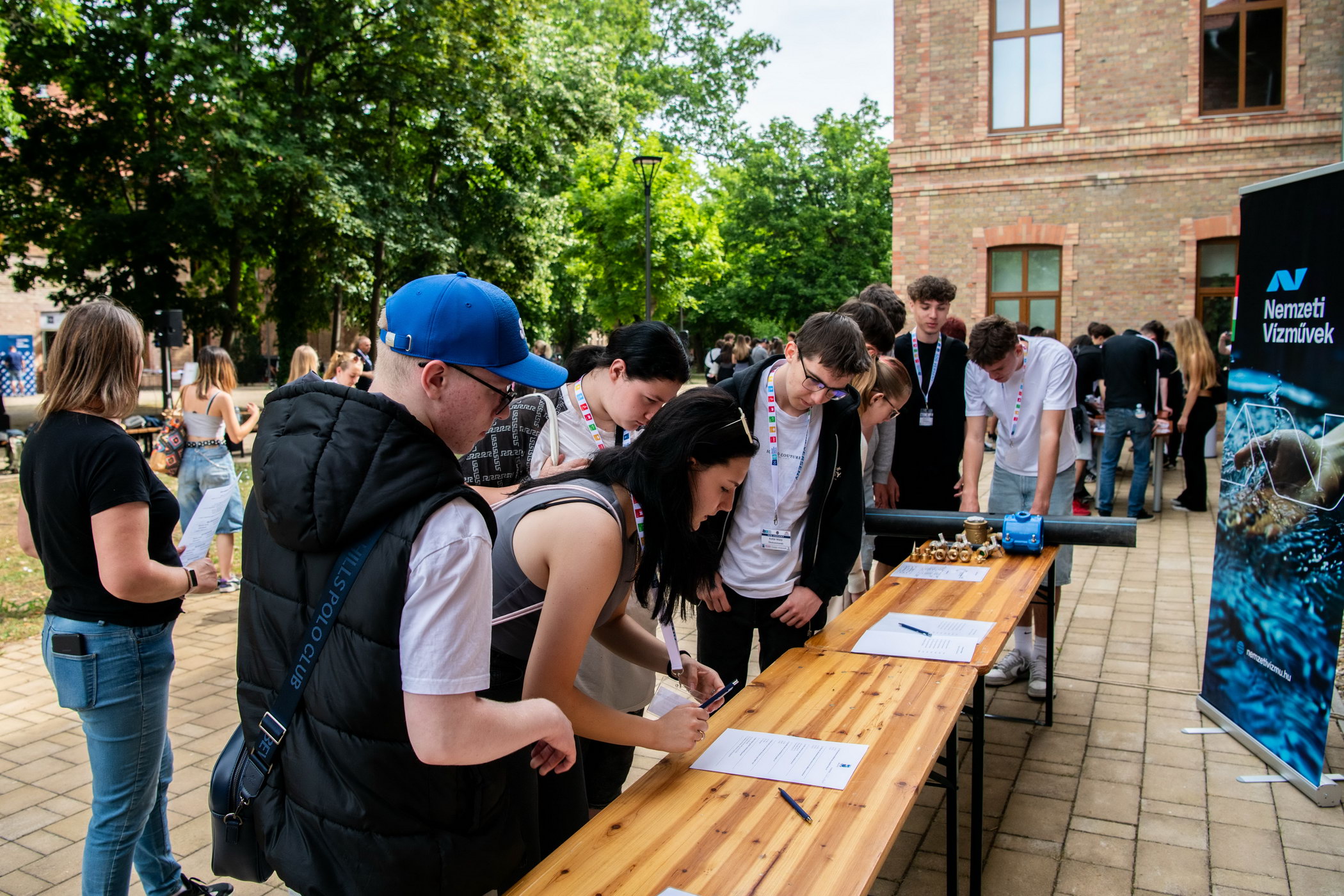
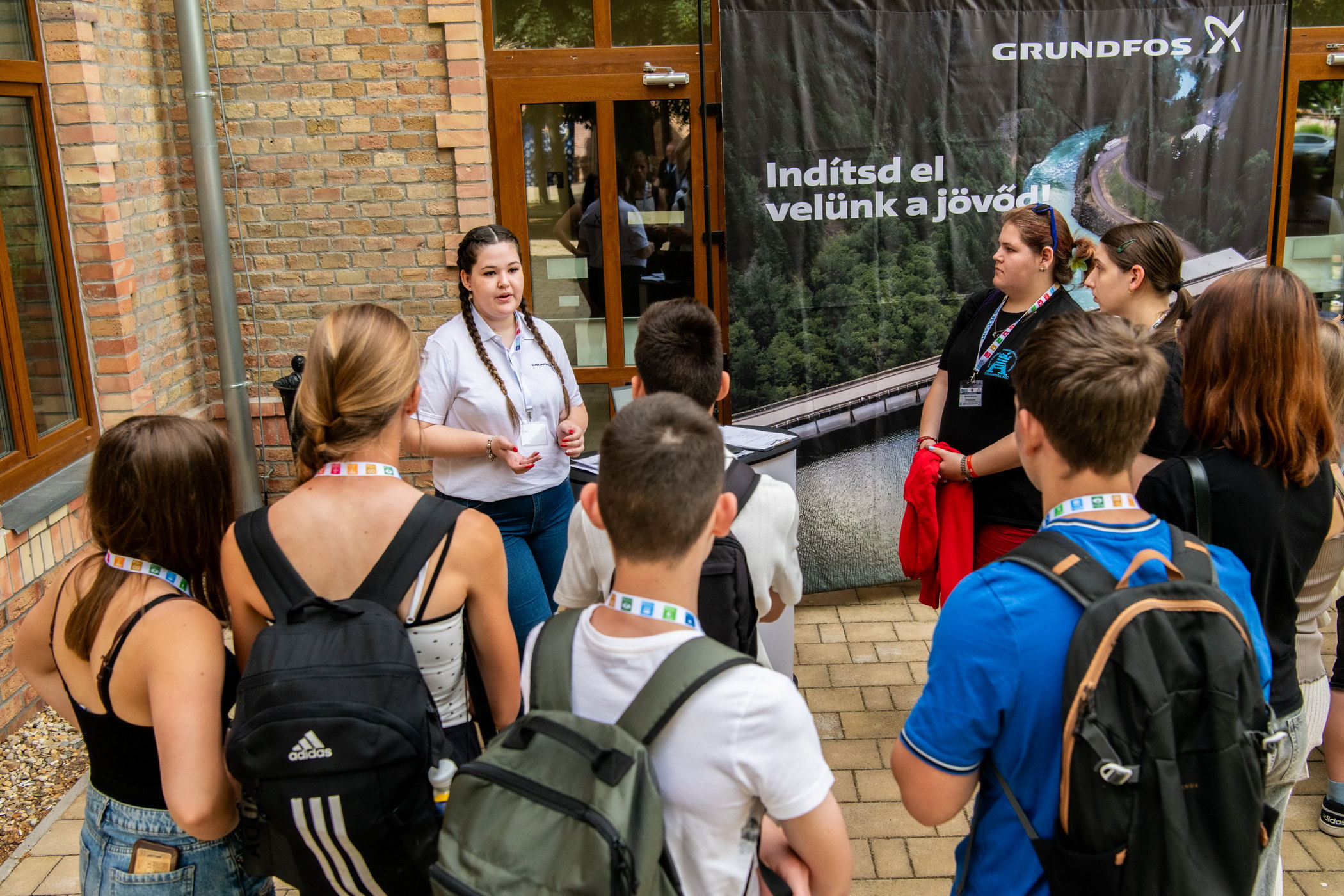
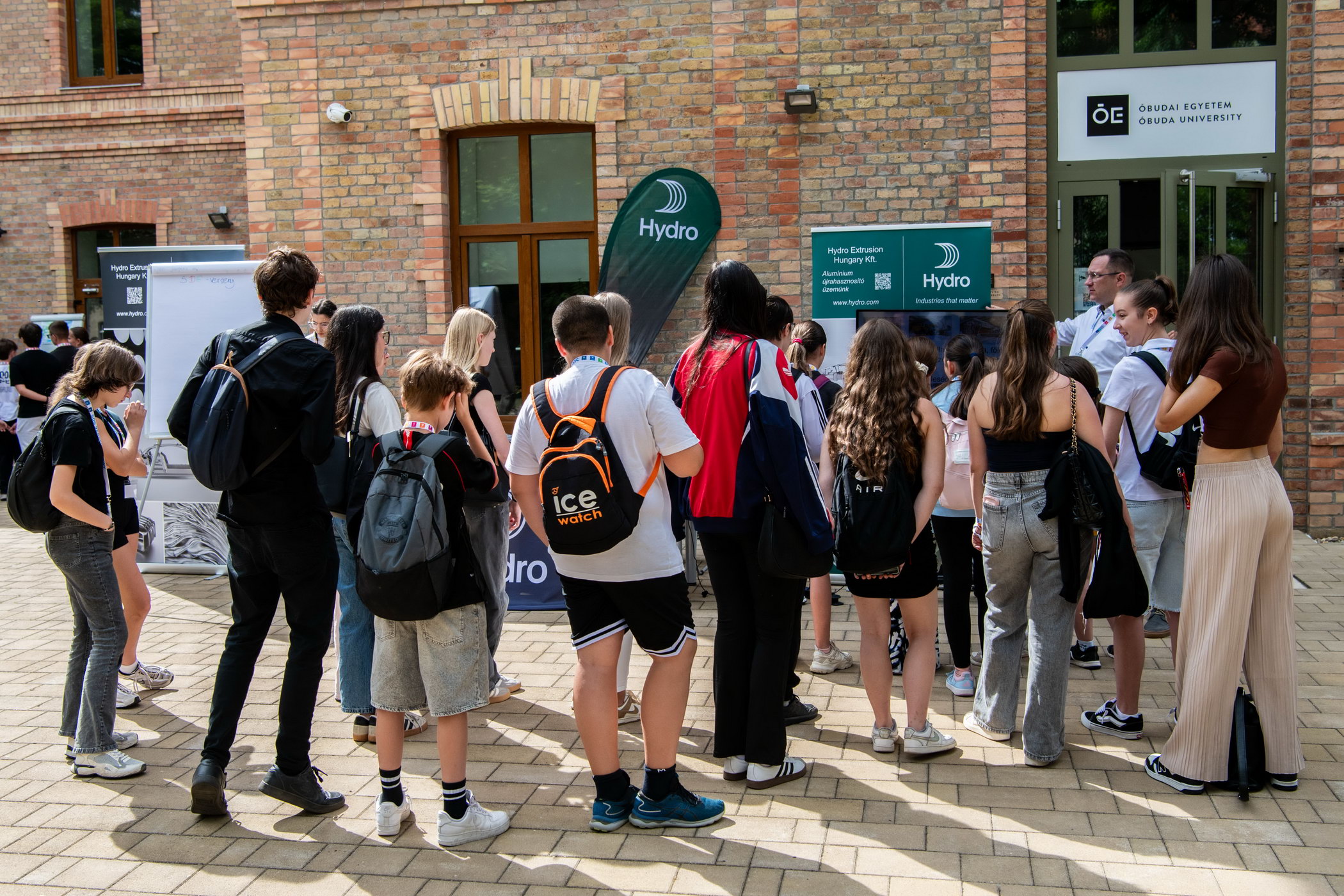
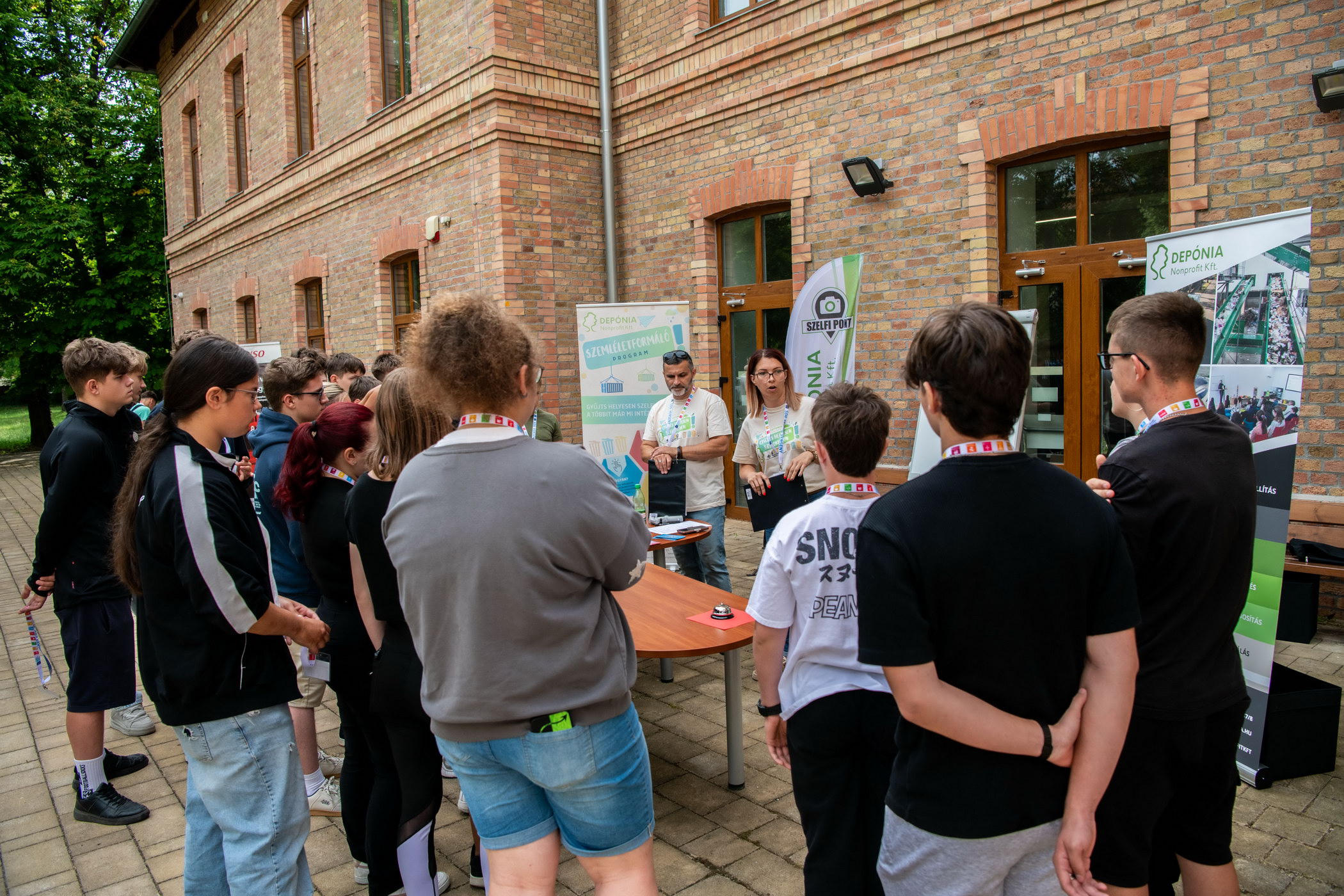
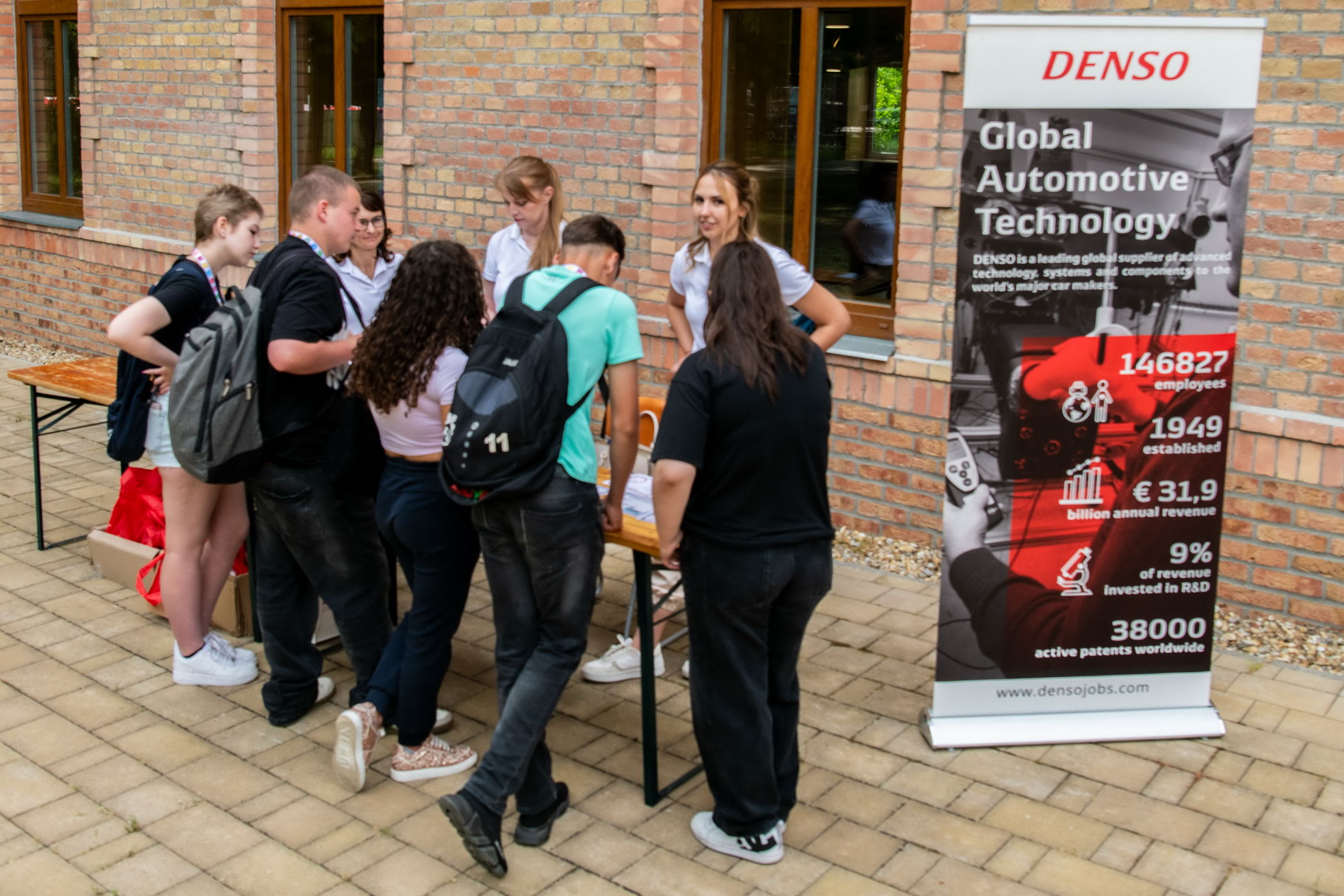
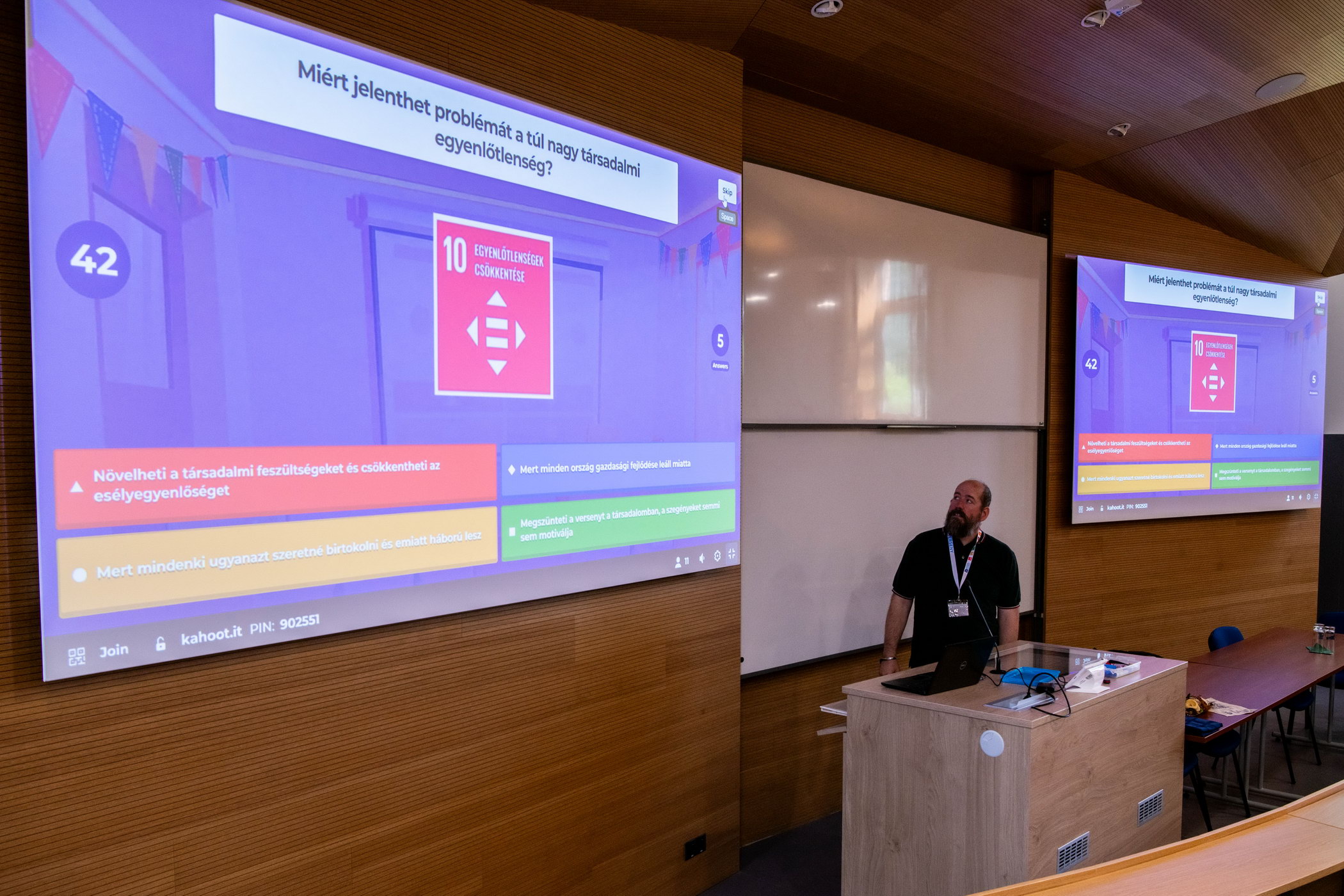
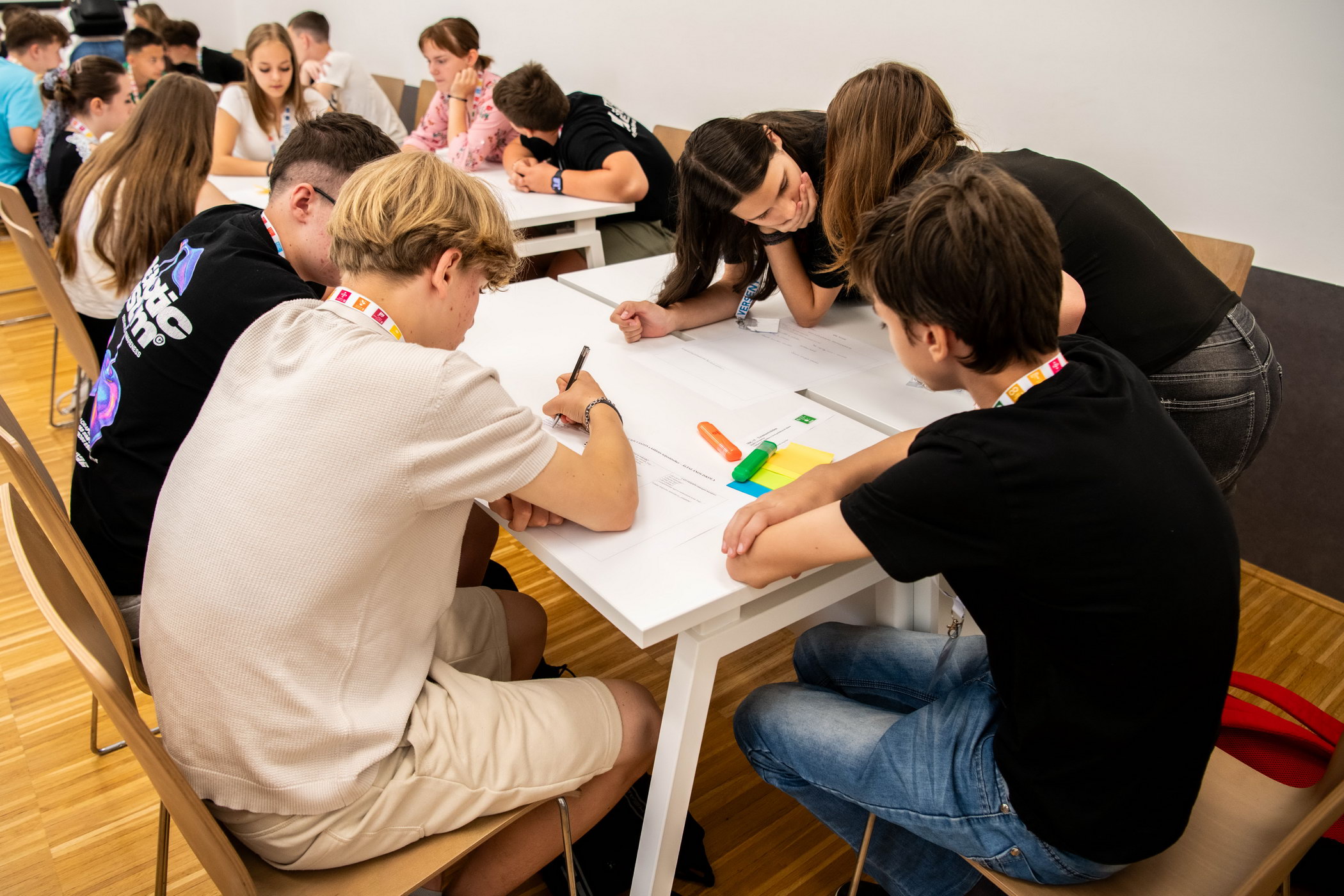
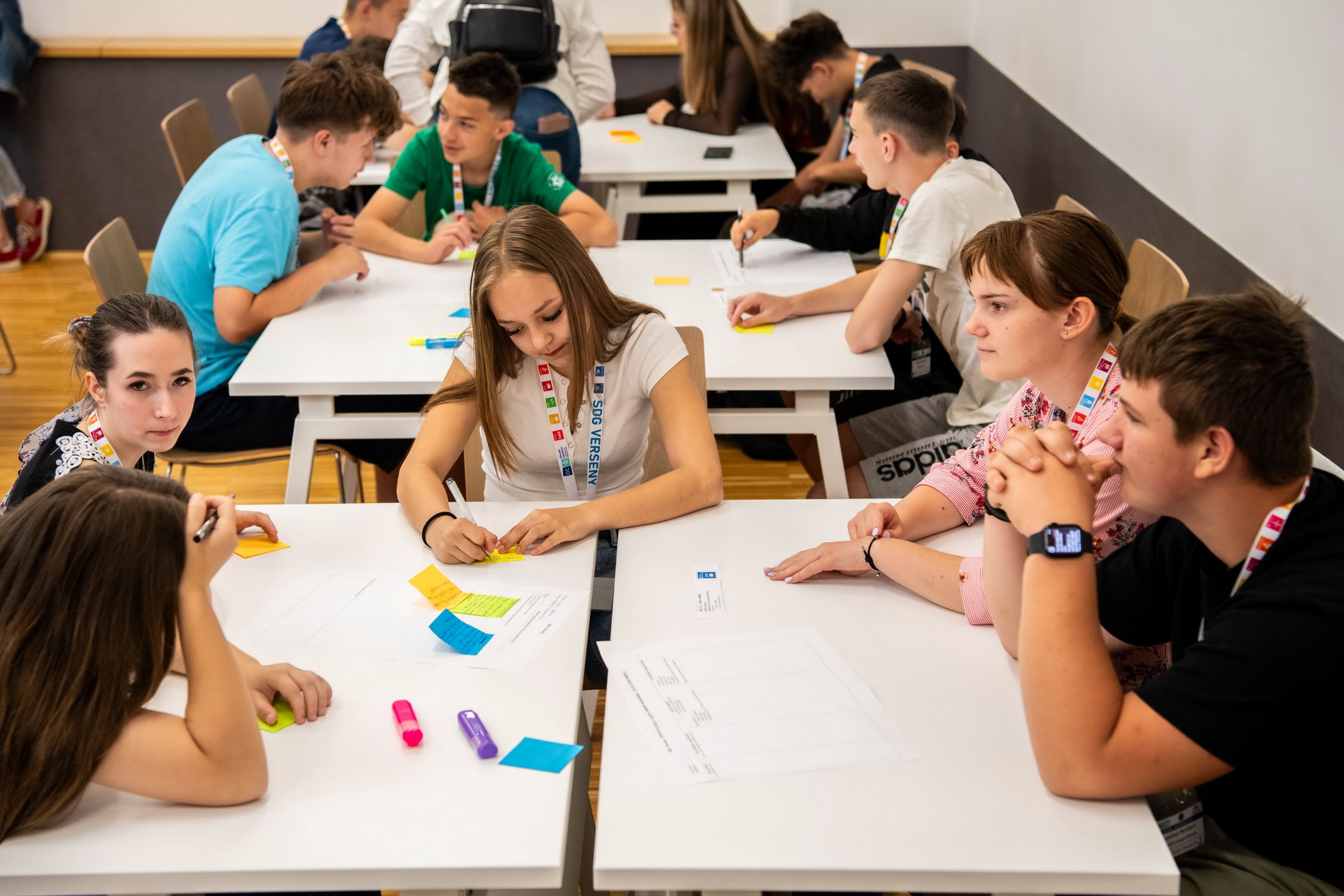
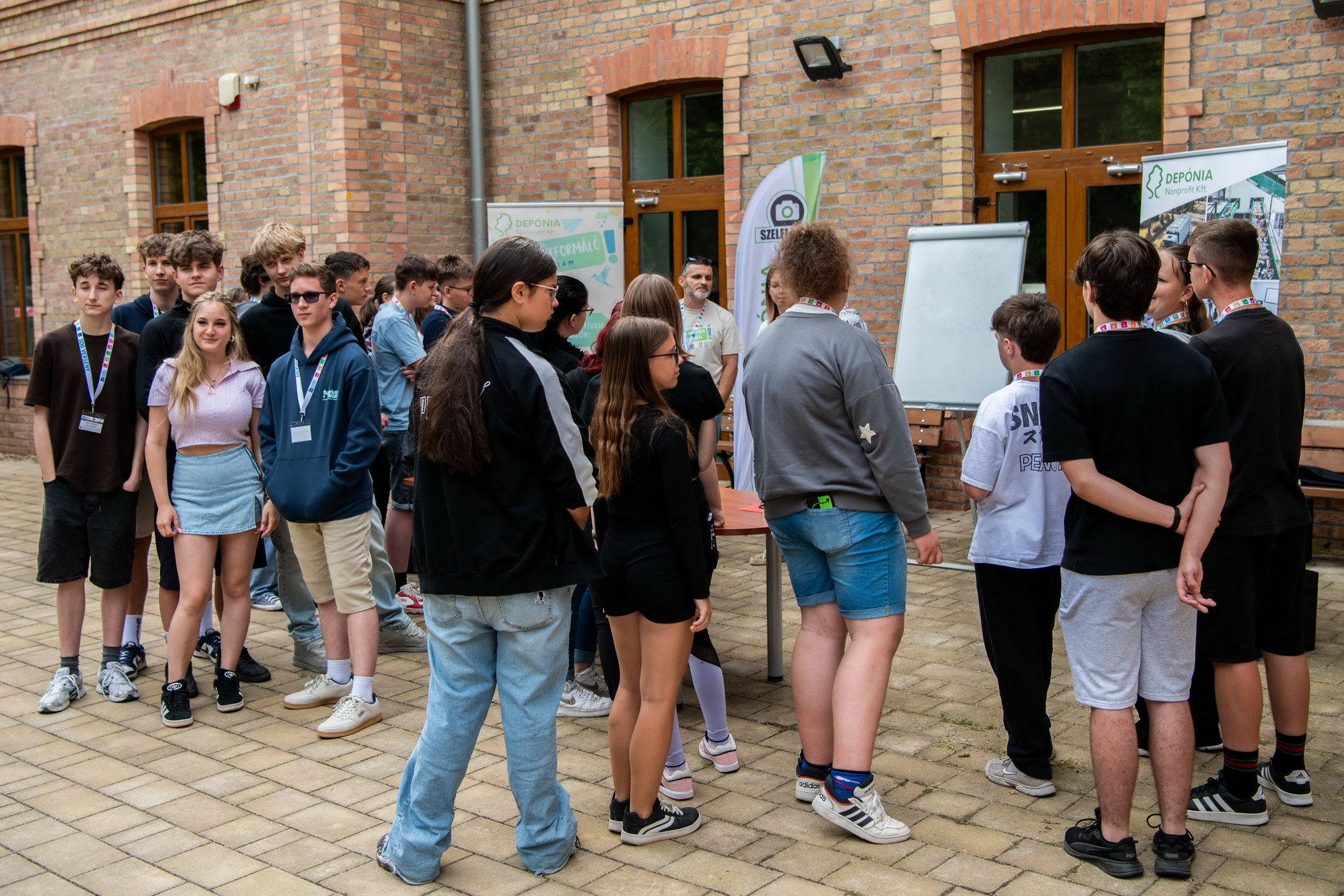
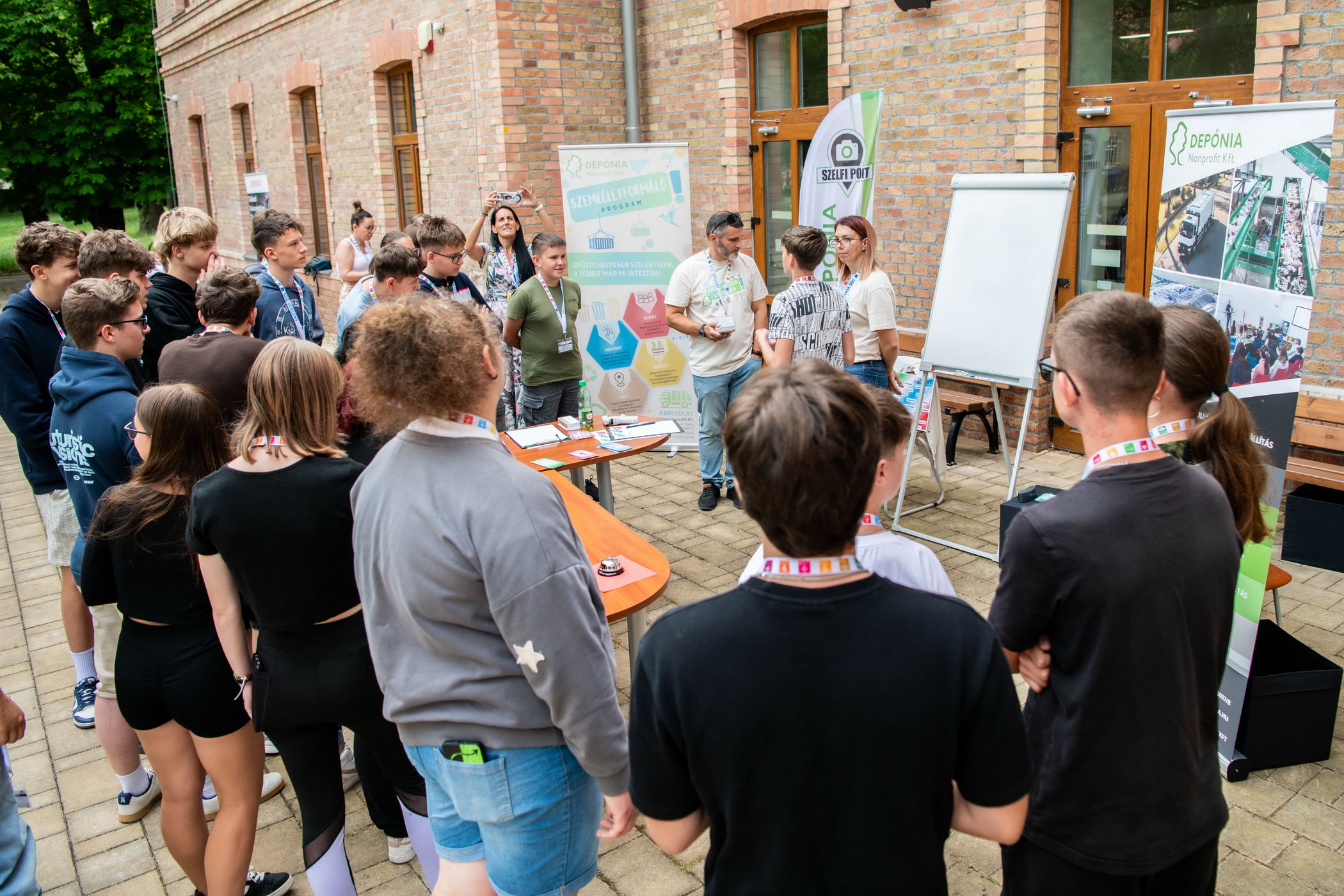
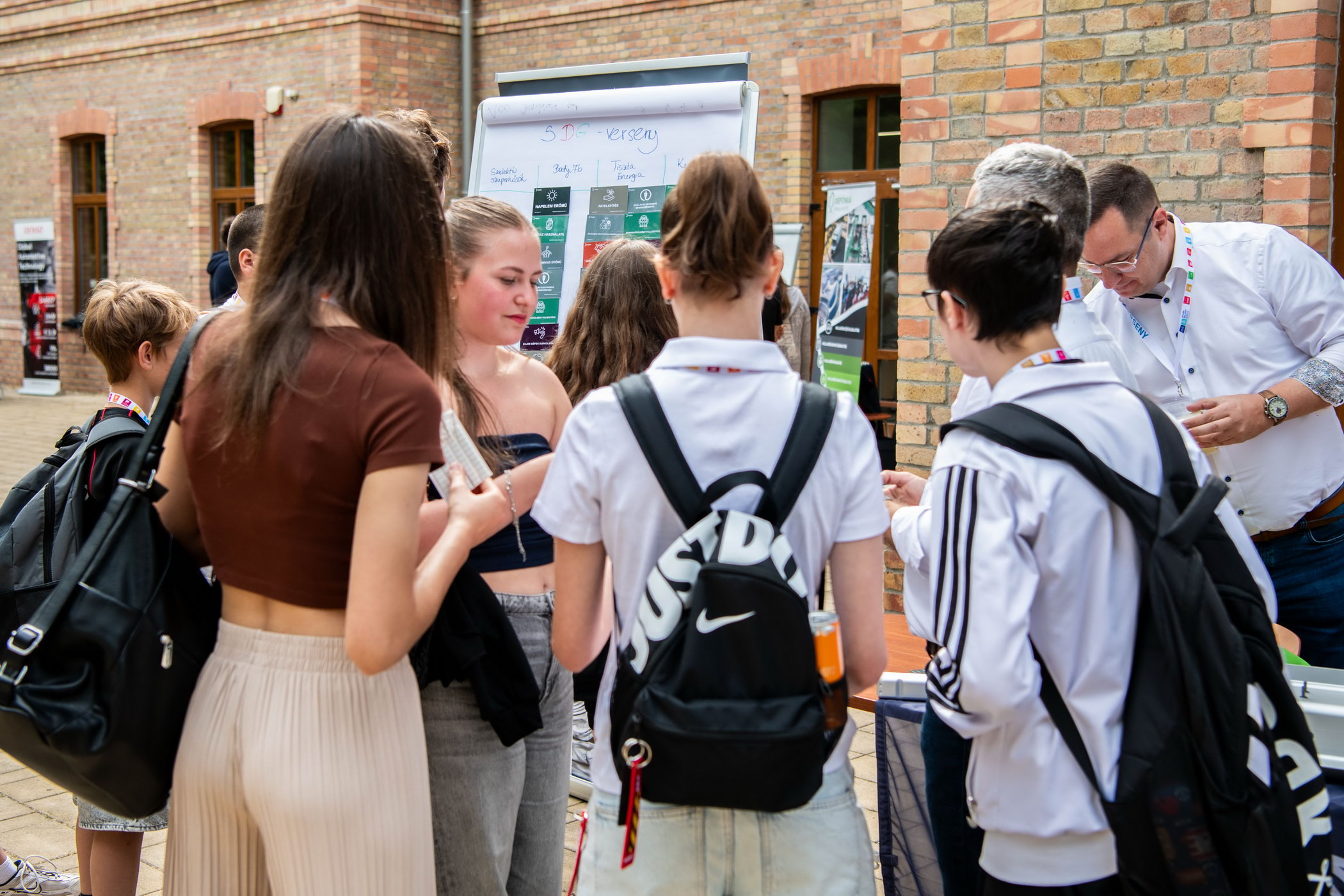
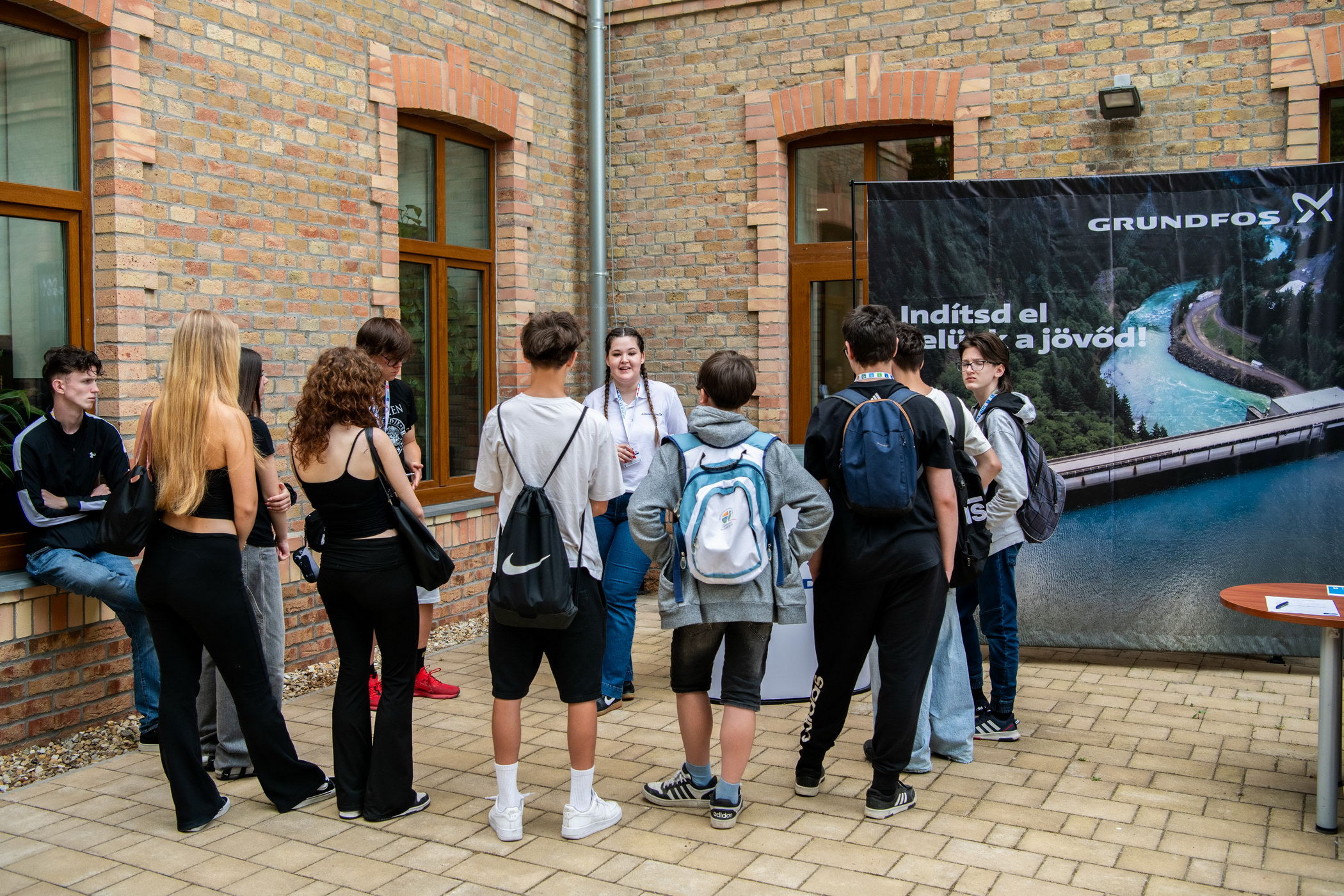
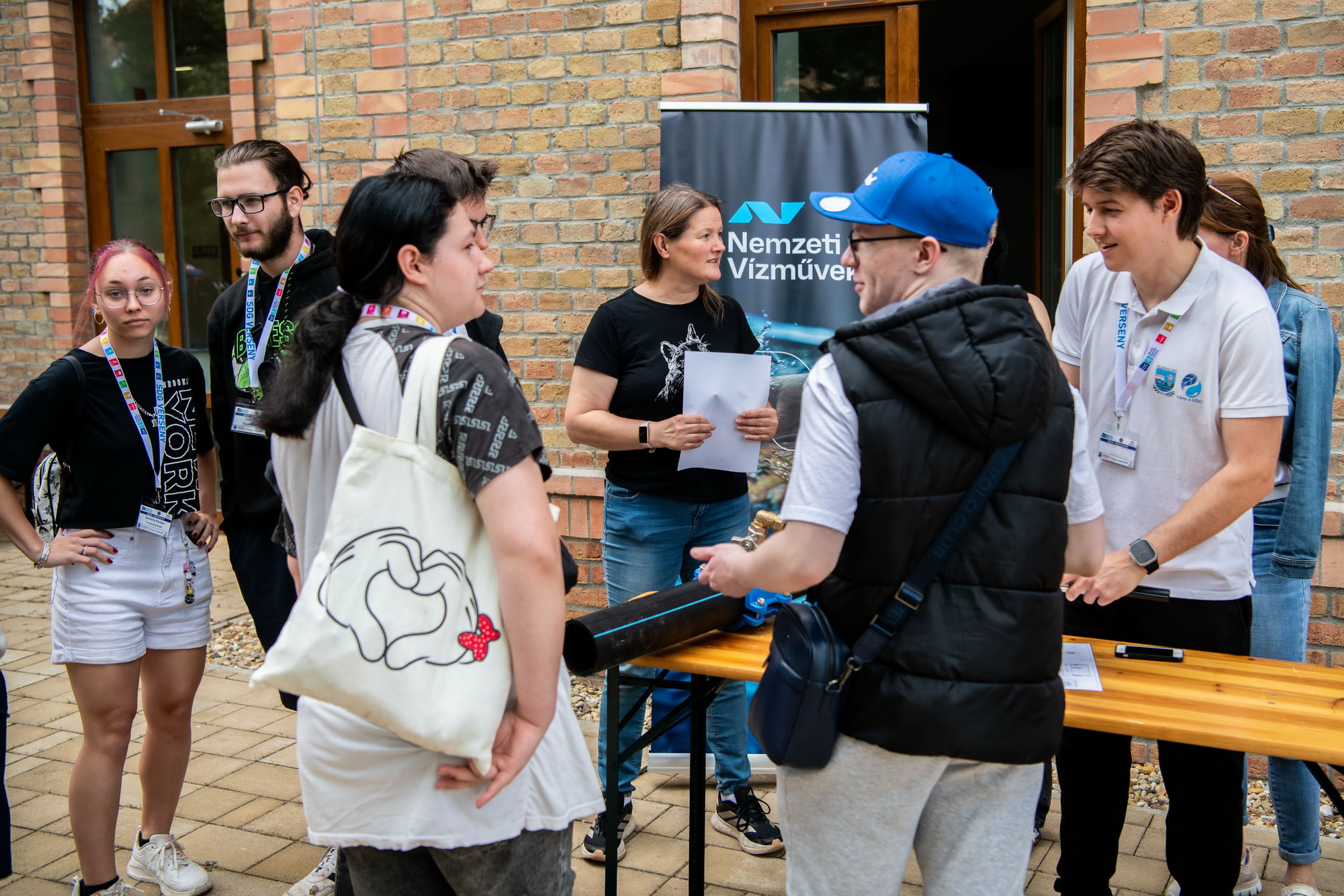
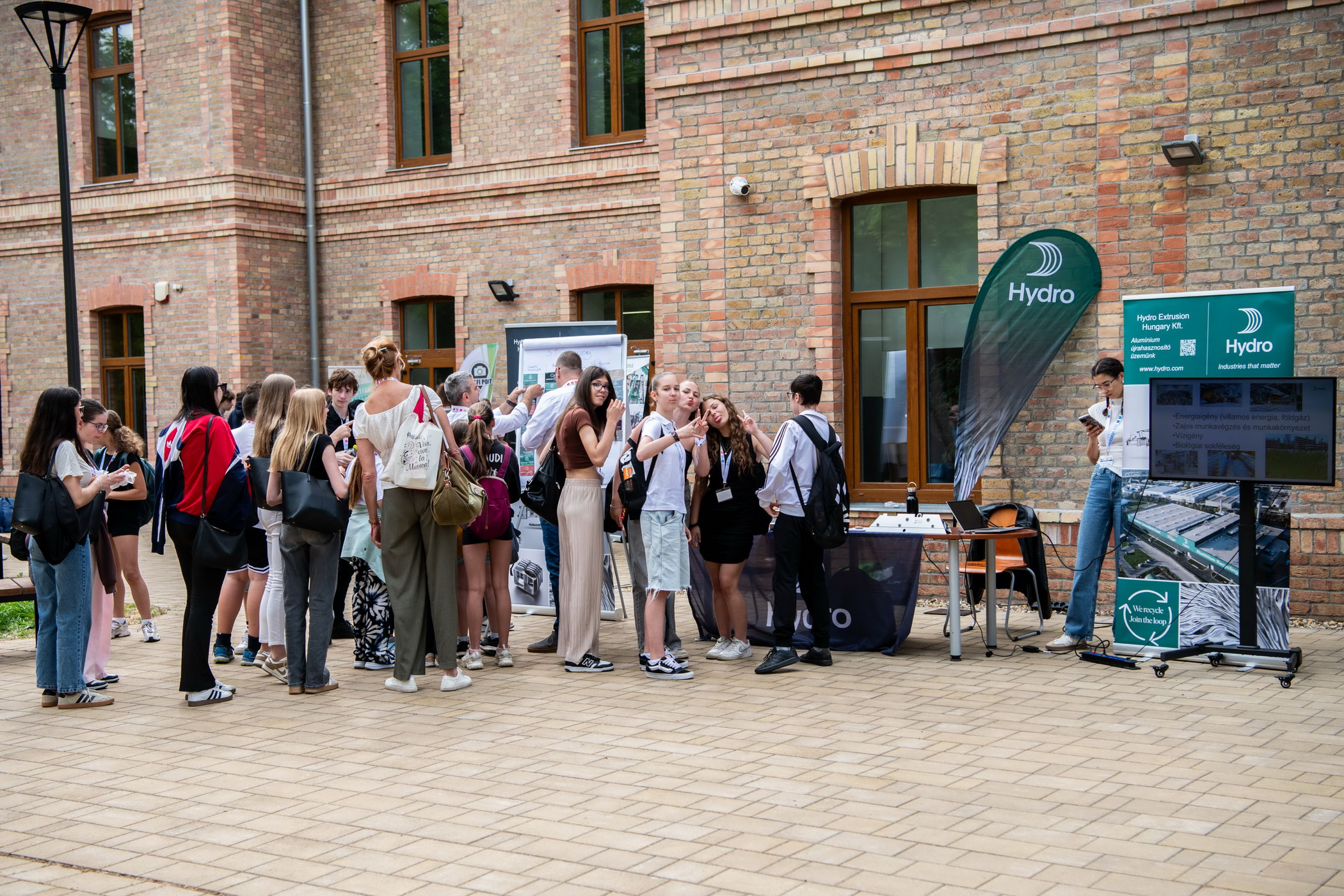
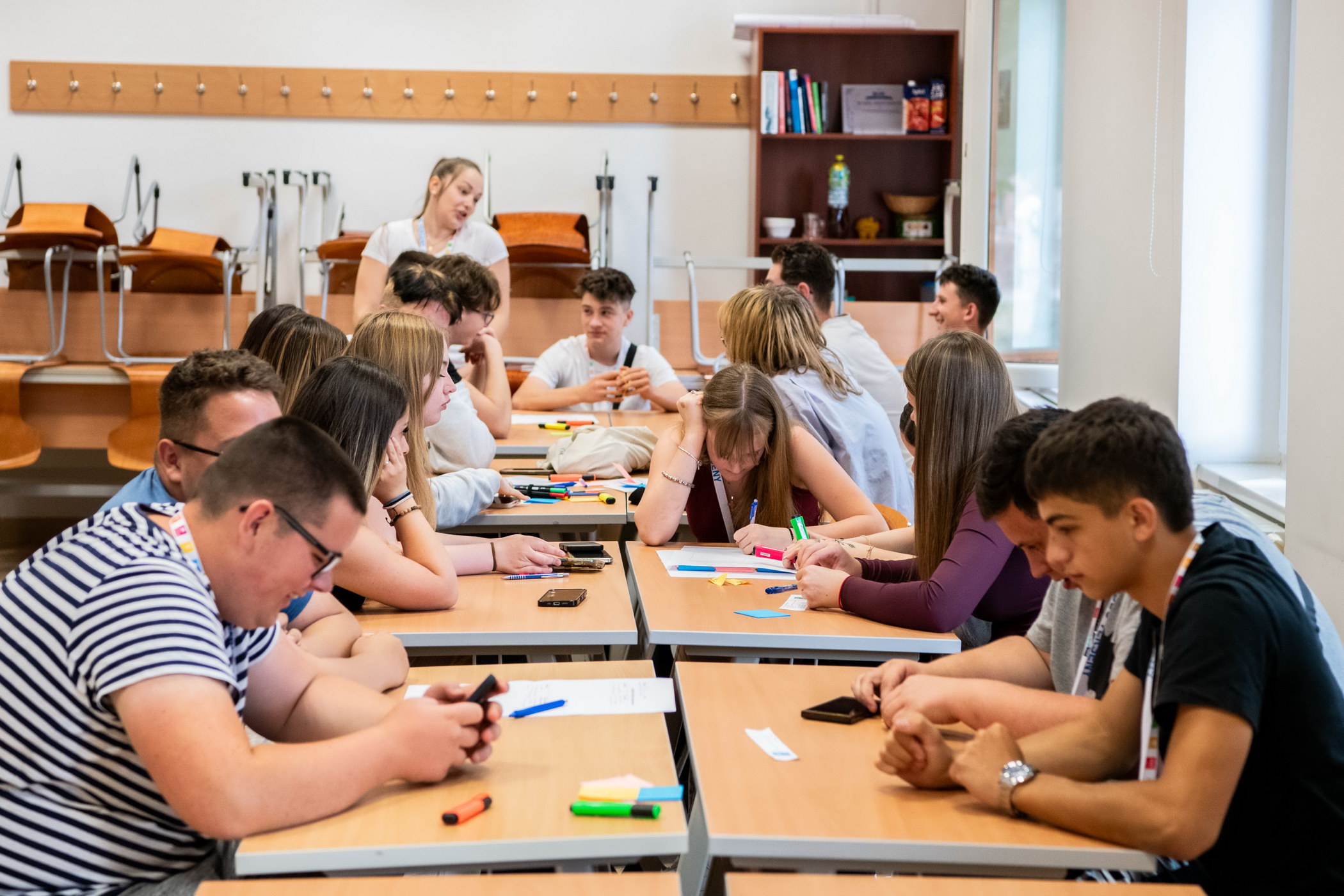
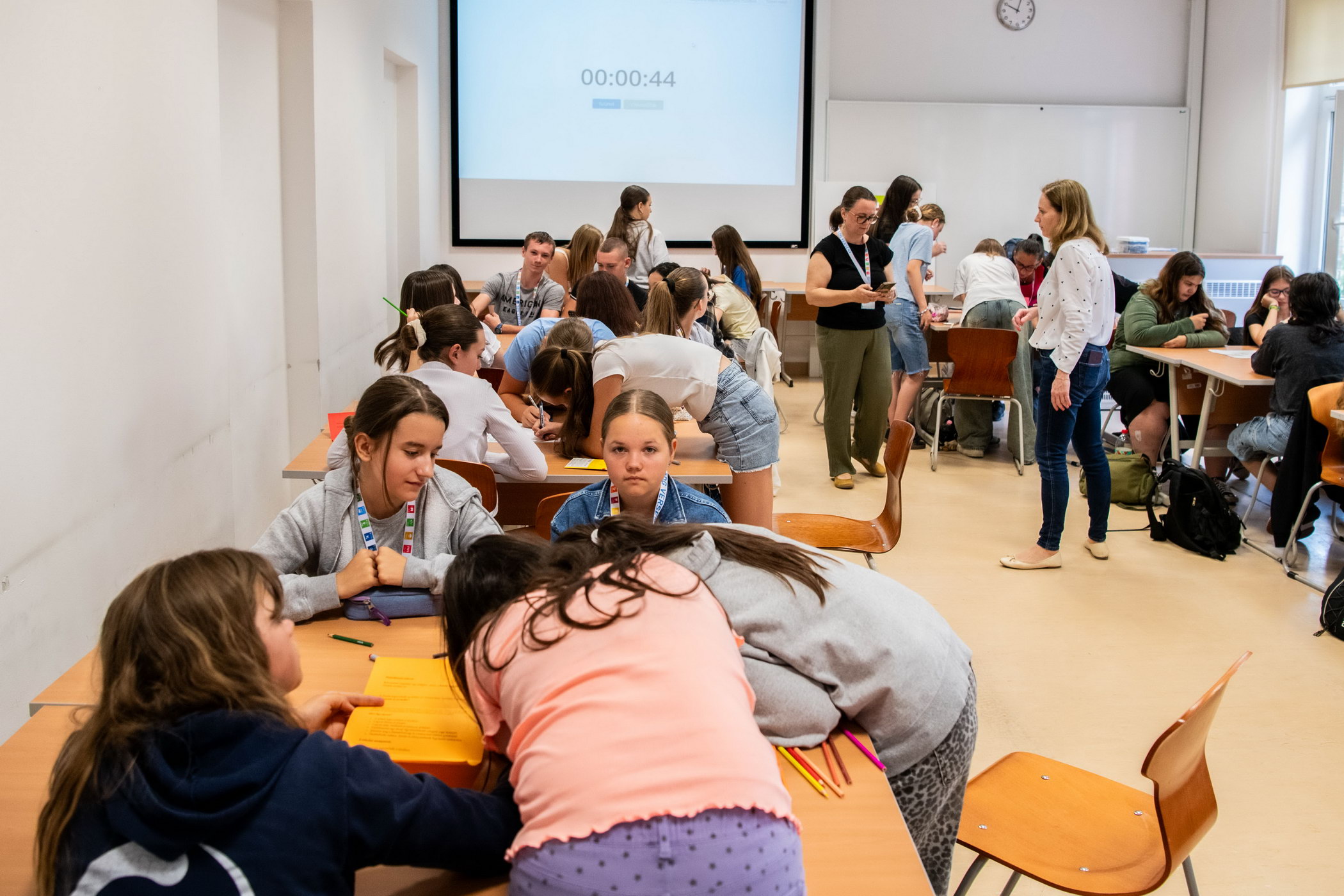
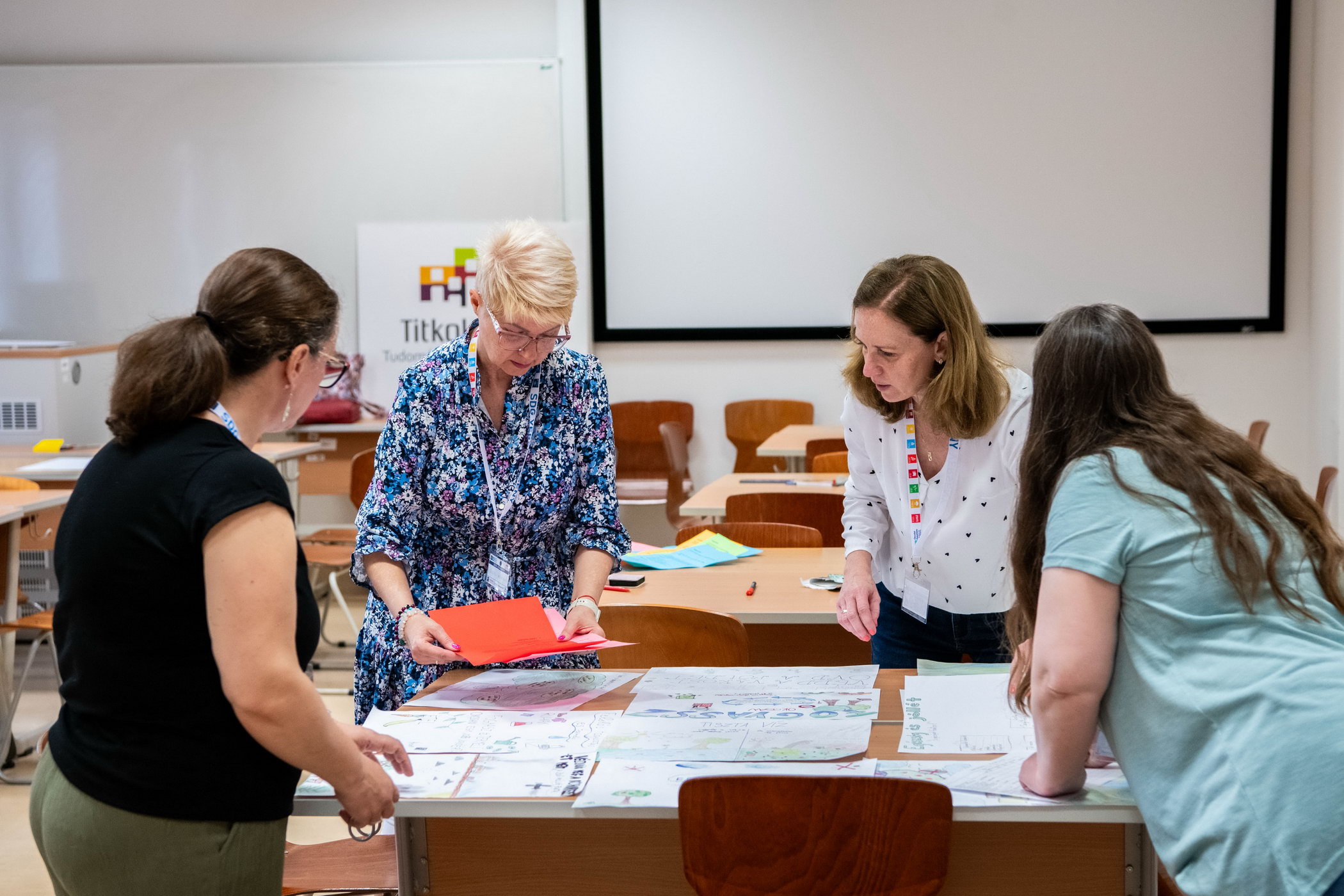
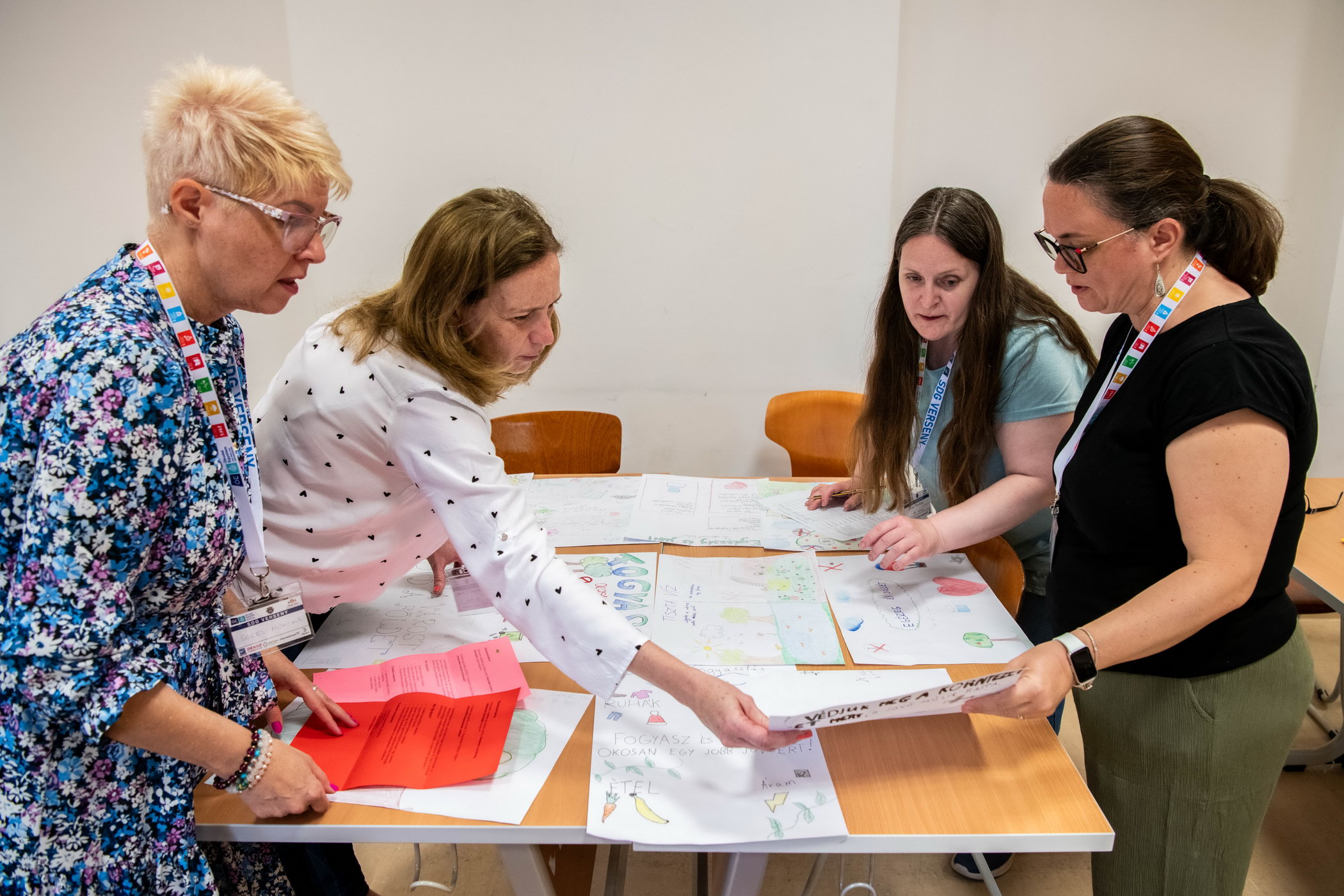
Participants competed in four different categories. Some teams developed innovative sustainability solutions, while others created awareness-raising posters focusing on specific development goals. Students also tested their knowledge in a quiz-based challenge and completed practical tasks on the campus grounds that required teamwork, creativity, and problem-solving skills.
The organizers stressed that collaboration is one of the most important competencies of the twenty-first century. Open-mindedness, joint thinking, and the ability to work together are essential not only in competitions but also in addressing future environmental, social, and economic challenges.
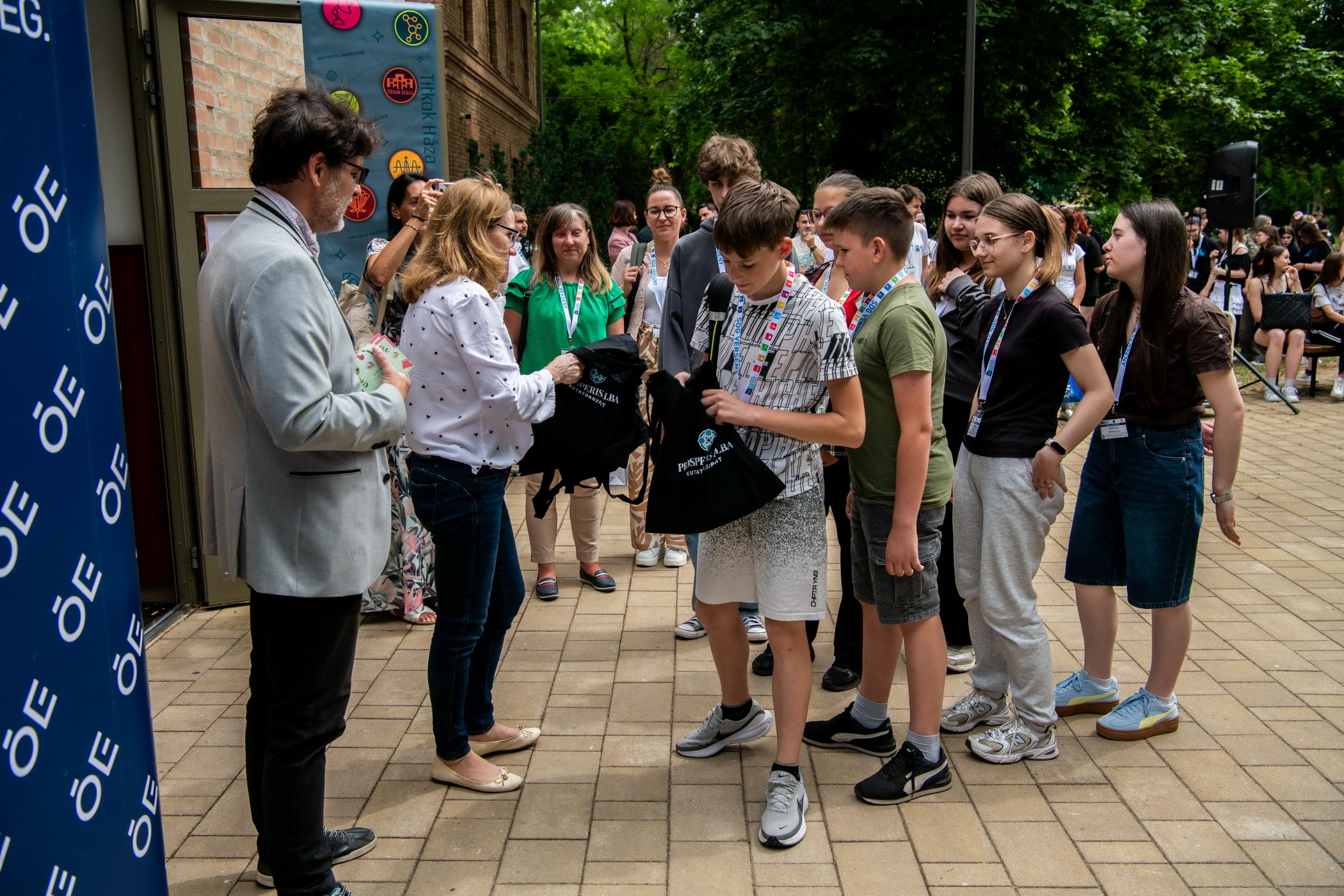
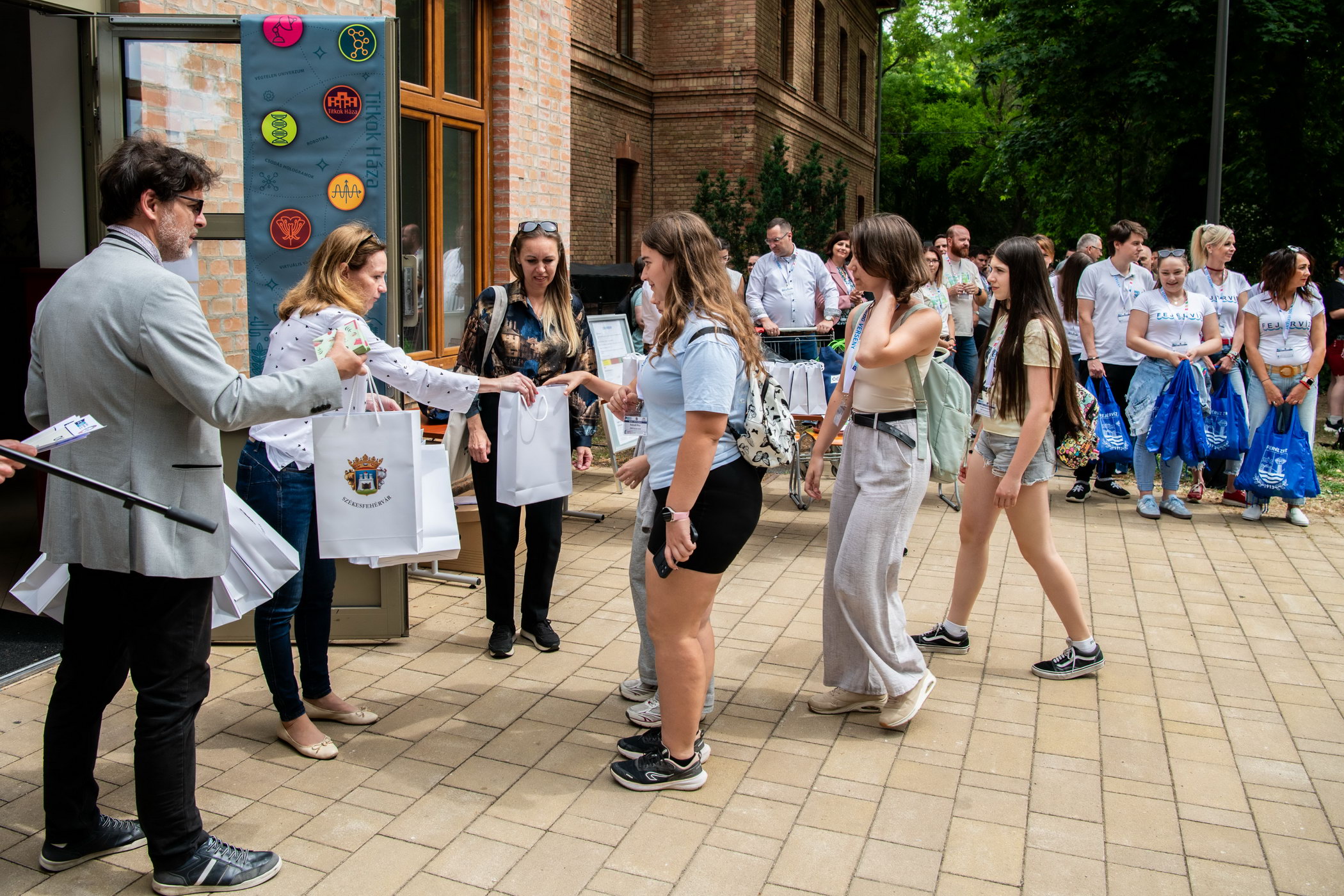
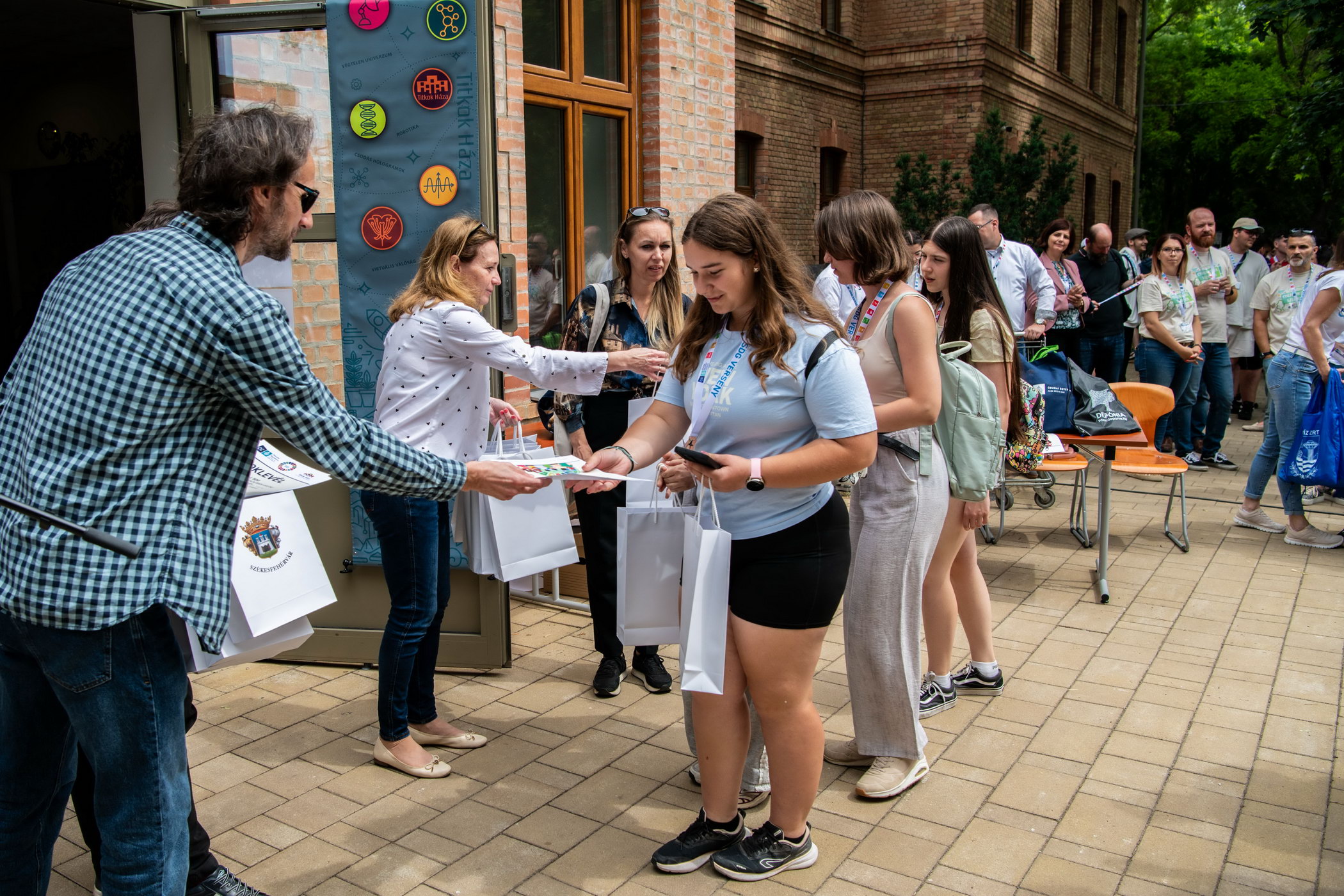
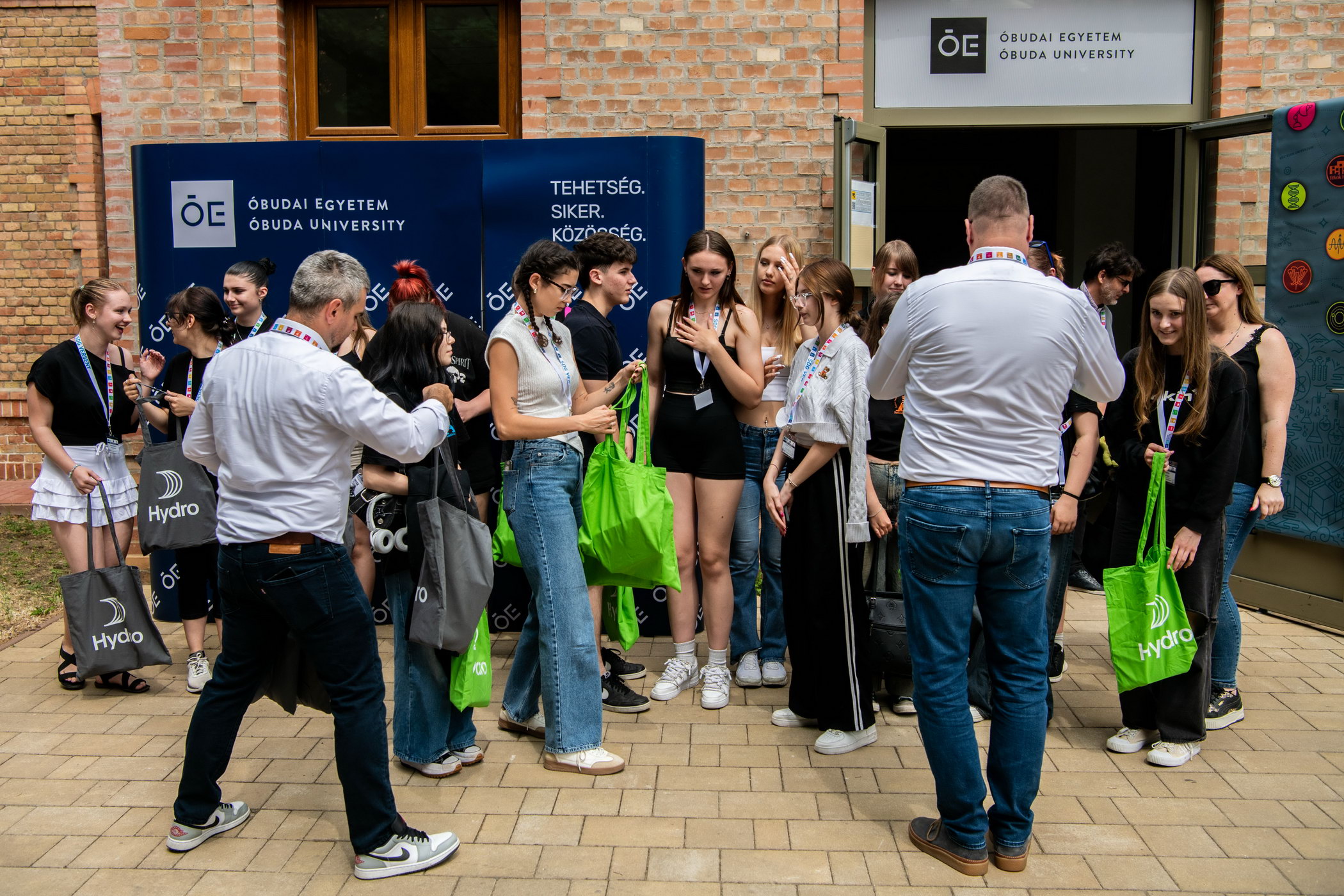
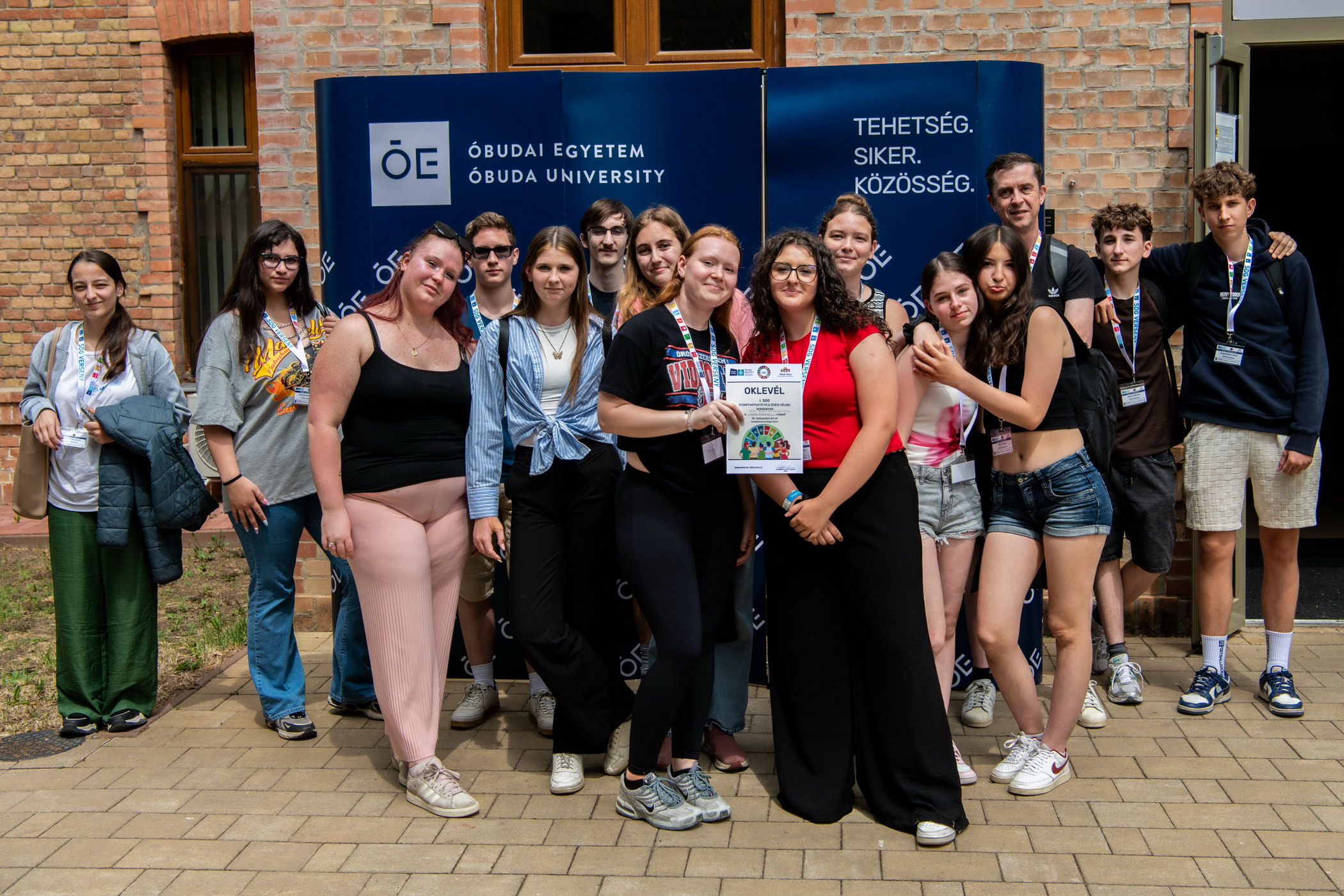
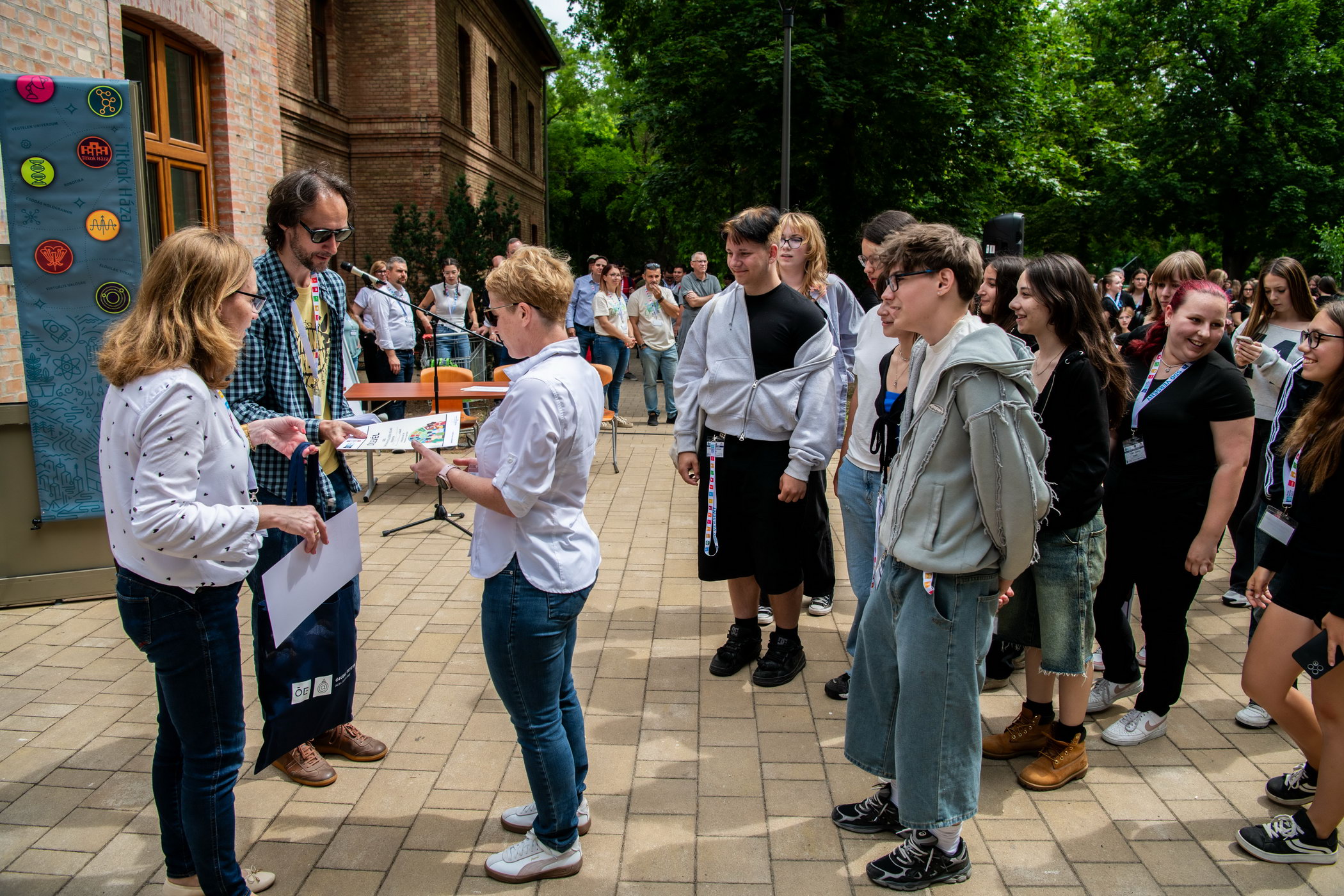
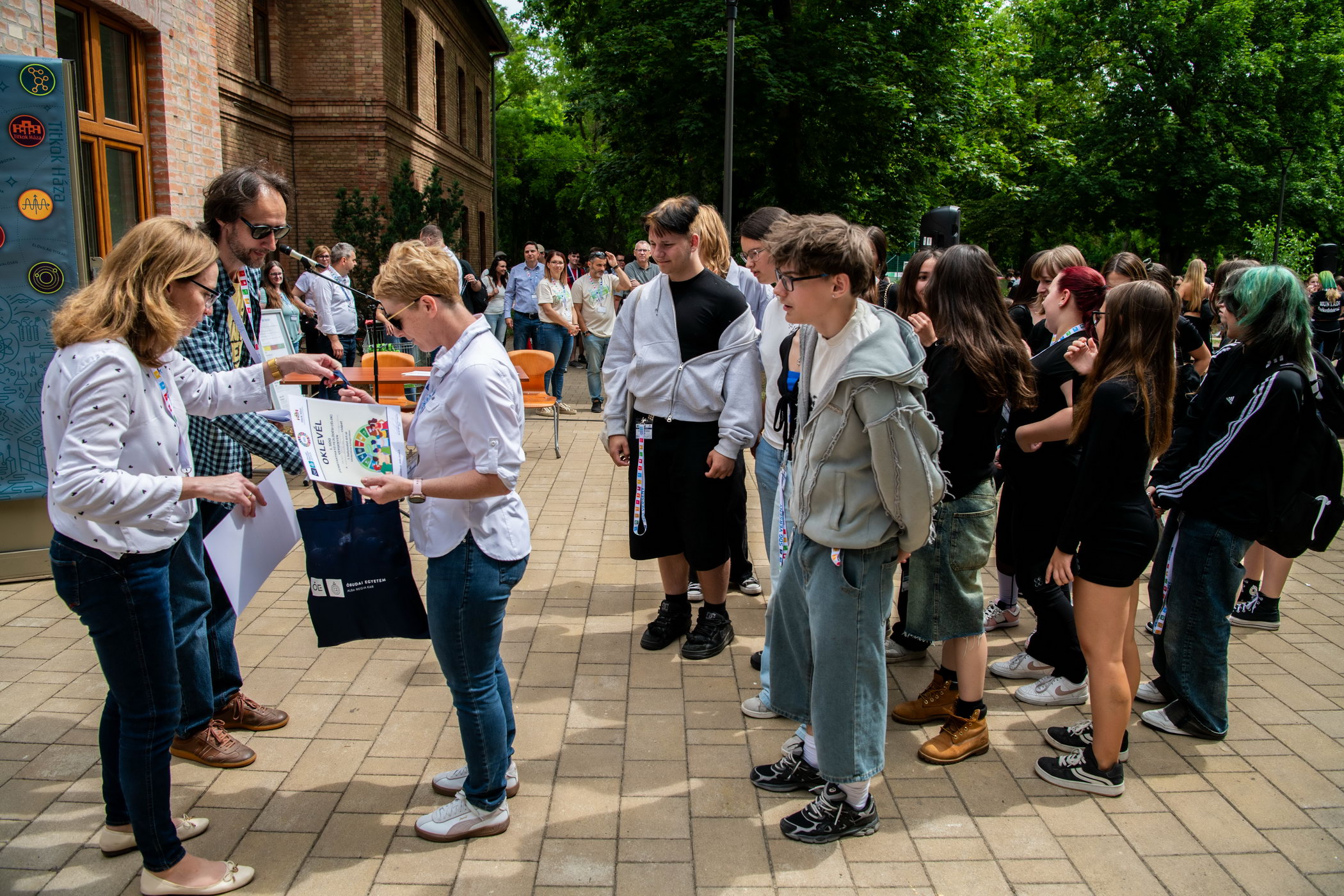
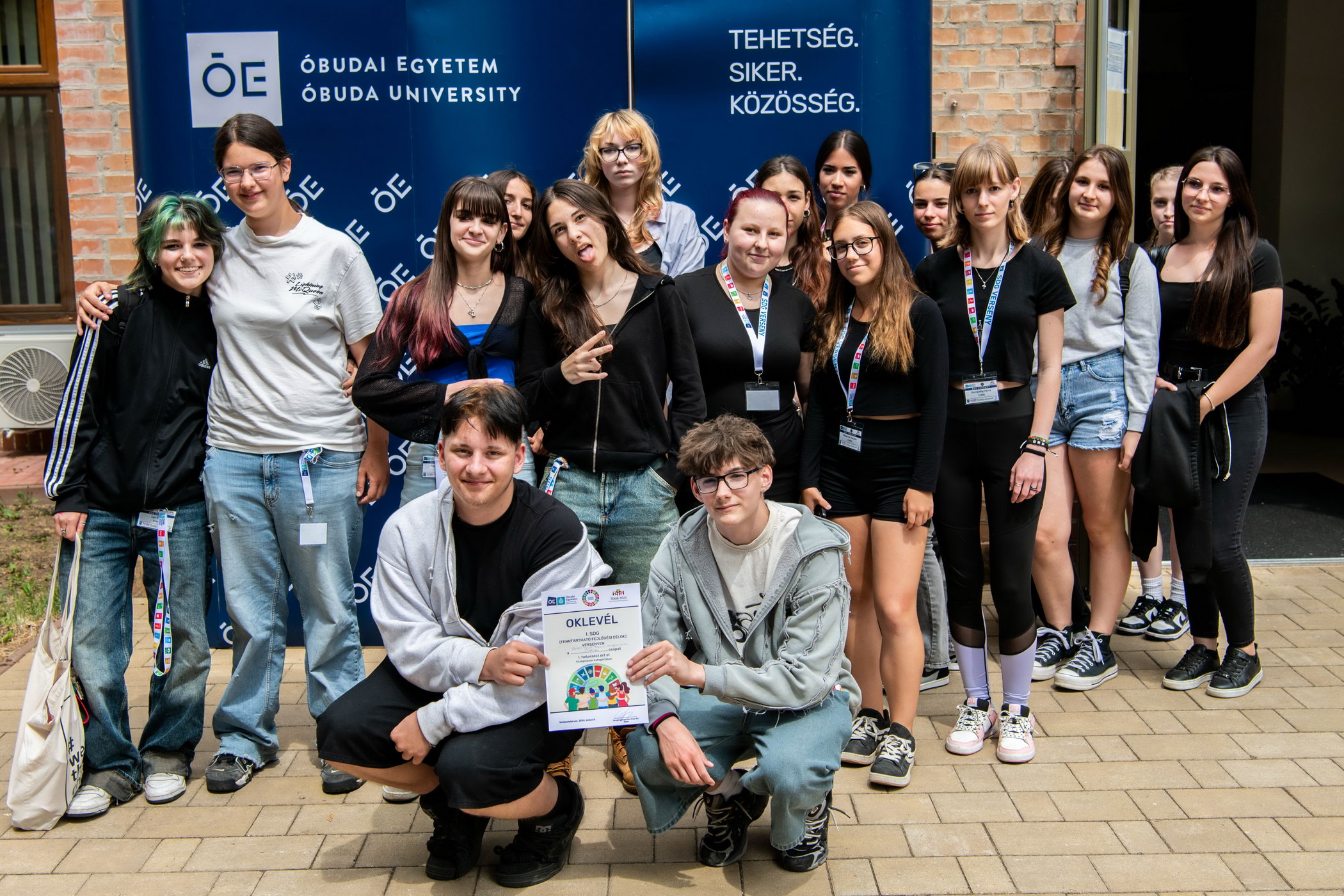
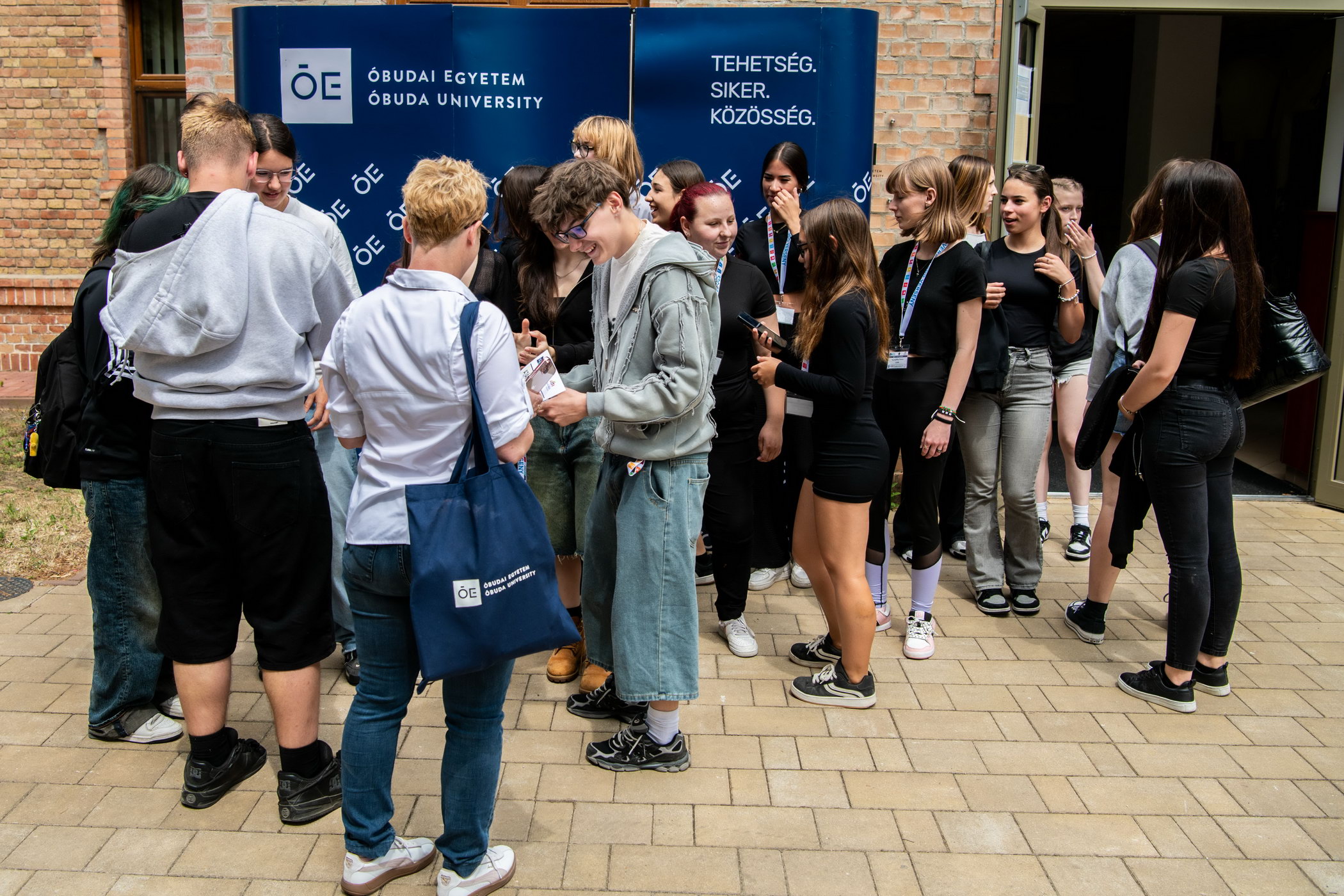
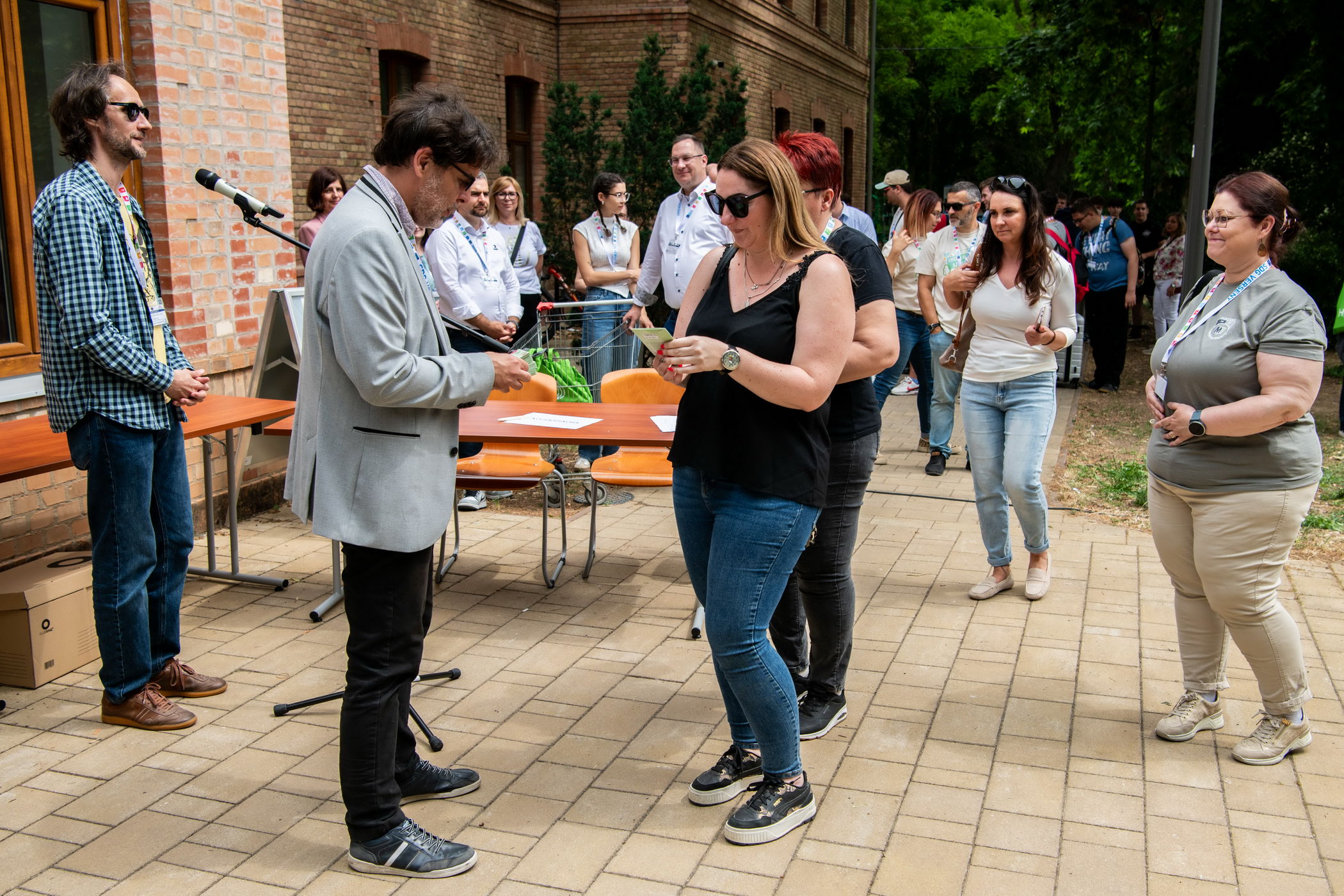
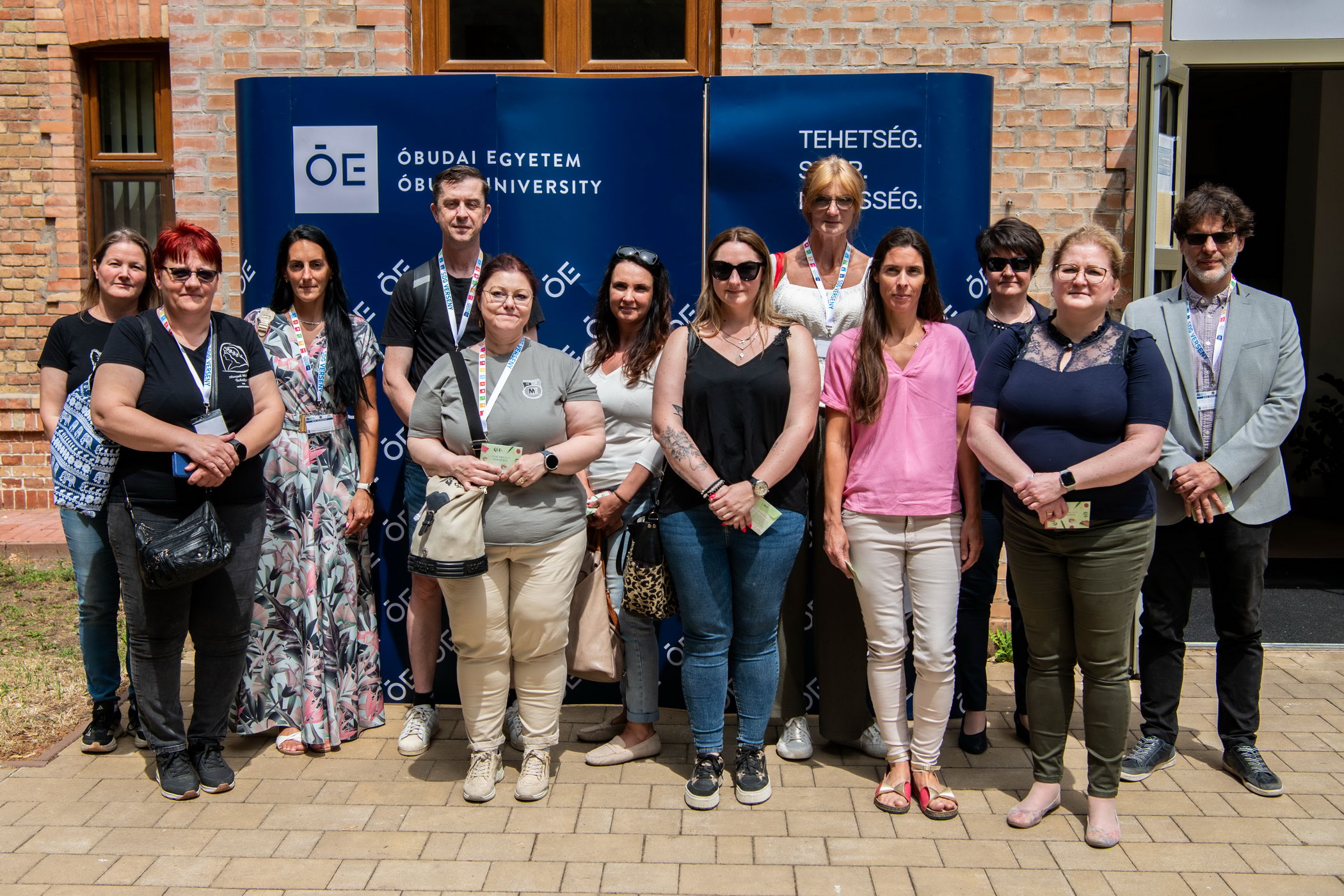
The official results recognized outstanding performances in both the secondary school and primary school categories. Participating teams received awards and special prizes offered by the university, local government, research organizations, and corporate partners. In addition, the teachers who prepared and mentored the teams were rewarded with book vouchers in recognition of their dedication and contribution to sustainability education.
The event delivered a clear message: building a sustainable future requires the active involvement, creativity, and commitment of young generations. The success of the inaugural SDG Competition demonstrated that students are ready to take part in shaping solutions for a better and more sustainable world.